ISRO’s PSLV-C62 mission ran into trouble on Monday after a disturbance was observed in the third stage of the rocket, leading to a deviation from its planned flight path and leaving the deployment of its satellites unconfirmed.
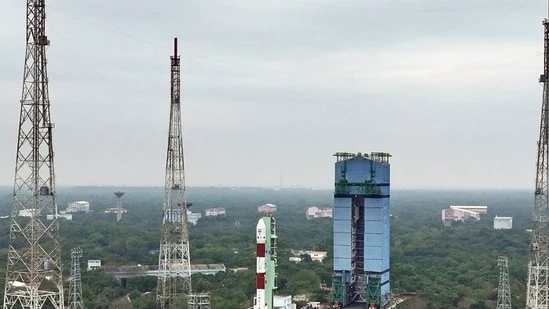
The PSLV-C62 rocket had lifted off from the First Launch Pad at the Satish Dhawan Space Centre, Sriharikota, Andhra Pradesh, carrying the EOS-N1 (Anvesha) Earth observation satellite along with 14 co-passenger satellites. However, ISRO later said the mission “encountered an anomaly” and that it was analysing data to determine the outcome.
“Today, we had attempted the PSLV-C62 launch mission. We are analysing the data and shall come back to you,” ISRO said in a brief statement.
ISRO chief V Narayanan said a disturbance was detected in the third stage of the rocket, following which PSLV-C62 deviated from its intended flight path.
Due to the anomaly, ISRO has not yet confirmed whether EOS-N1 and the 14 co-passenger satellites were successfully placed into their intended polar sun-synchronous orbit. Telemetry data from the vehicle is being examined to establish the status of the spacecraft and payloads.
The PSLV-C62 mission was intended to be India’s first space launch of 2026 and the 64th flight of the Polar Satellite Launch Vehicle (PSLV), which is considered ISRO’s go-to rocket type for regular launches.
It must be noted that the last PSLV mission in 2025 was aborted due to a technical observation, making Monday’s attempt especially significant for ISRO.
The rocket was scheduled to deploy the Earth observation satellite first, followed by 14 domestic and international co-passenger satellites arranged through NewSpace India Ltd, ISRO’s commercial arm. The mission also included a planned in-orbit demonstration of a small re-entry capsule from a Spanish startup.
ISRO said it will share a detailed update once the ongoing analysis of the anomaly and telemetry data is completed.