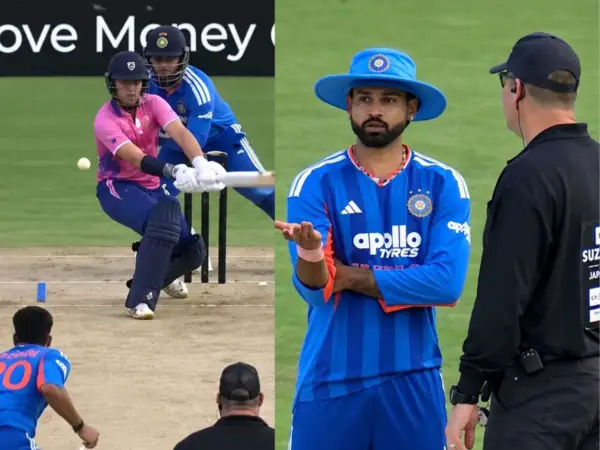
India squeaked past Japan by just two runs in their T20I clash but it was the drama not just the result that got people buzzing—especially online.
The main flashpoint? A wide delivery in the final over that the umpire first called then overturned after some words from the Indian team. That call set social media alight with many fans quick to yell ‘cheating’ from the rooftops.
Controversy over the ‘wide’ call
In the last over of Japan’s chase, Axar Patel bowled a leg-stump ball to Alexander Shirai-Patmore, a lefty. Umpires first signaled wide. After Indian players spoke to the umpire they took another look and reversed the decision.
Here’s why that matters: with the wide, Japan would’ve needed five runs from four balls. Without it, they had to get six off three. That one call shaped the endgame.
ICC rules, clear and simple
The reason for the reversal? The law isn’t as murky as it first seemed. Shirai-Patmore tried a reverse sweep—under current ICC rules, when a batter attempts either a switch hit or reverse sweep the wide line is judged based on their movement no matter when they change their stance. In short, the off-side wide guidelines kicked in and Axar’s ball was legal.
Aakash Chopra sets the record straight
A lot of people were confused—Aakash Chopra was one of them. Speaking on his YouTube channel, Chopra said, ‘People are saying that India beat Japan by cheating. This is being said because a wide was overturned, and the decision was reversed because India put pressure. People are just creating chaos.’
He admitted, ‘My understanding at the time was actually wrong. I felt that the wide line on both sides is given in favor of the bowler when a switch hit is played, not when you play a reverse sweep.
The second complication was that, at the time of delivery right when the bowler released the ball did the batter change his stance or not? My initial understanding was that if the stance is not changed before the ball is bowled, then wide shall remain a wide. But even my understanding was wrong.’
Chopra dug into the latest ICC rules and clarified, ‘I went through the rules and listened to the umpires, and according to the new ICC rules, it does not discriminate between a switch hit and a reverse sweep.’
‘So, point one, they view both shots in the same way. Secondly, whether the ball is in the hand or released from the hand, it does not matter when you change your position. It will be counted as the batter having changed his position. So, the benefit of the doubt will go to the bowler. You are both a left-hander and a right-hander in the eyes of the law.’
In the end, the umpires followed the rulebook. The heat was real in those final moments and while fans will argue that was just clarity under pressure—not controversy.