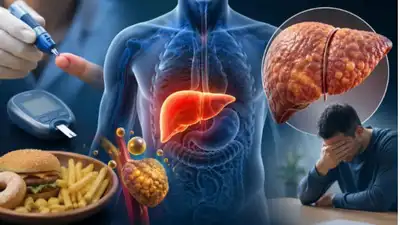
Diabetes is best known for its effect on blood sugar and insulin, but its impact can extend far beyond the pancreas. Persistently high blood sugar and insulin resistance can also affect the liver, increasing the risk of fatty liver disease, liver inflammation and, in more advanced cases, liver scarring.
Experts say those with type 2 diabetes and insulin resistance may be more likely to develop metabolic dysfunction-associated steatotic liver disease, or MASLD. When insulin does not work effectively, excess glucose can contribute to increased fat storage in the liver. Over time, persistent metabolic stress may contribute to inflammation, fibrosis, and potentially cirrhosis.
How does diabetes affect the liver?
The liver plays an important role in regulating blood glucose and metabolism. When insulin resistance develops, the body has difficulty using glucose efficiently. This metabolic imbalance can promote the accumulation of fat in liver cells.
The challenge is that fatty liver disease is often silent in its early stages. Many people have no obvious symptoms until the condition has progressed.
5 early signs of liver issues for those with diabetes
Persistent fatigue
Feeling unusually tired or lacking energy can have many causes, including poor sleep, stress and uncontrolled diabetes. However, persistent fatigue may also occur alongside liver problems and should not automatically be dismissed.
Discomfort in the upper-right abdomen
Mild discomfort, pressure or a feeling of heaviness beneath the right ribs can sometimes accompany liver conditions. A healthcare professional should evaluate persistent or worsening abdominal symptoms.
Bloating or digestive discomfort
Bloating can have numerous causes, but unexplained or persistent digestive symptoms may warrant medical attention, particularly when they occur alongside other metabolic problems.
Unexplained changes in blood sugar control
Unexpected fluctuations or worsening blood glucose control may have several explanations. However, changes in metabolic health can sometimes occur alongside fatty liver disease, making them worth discussing with a doctor.
Abnormal liver tests
One of the most important early clues may not be a symptom at all. Abnormal liver function tests discovered during routine blood work can prompt further investigation. An ultrasound may also detect excess fat in the liver.
How can those with diabetes protect their liver?
Managing diabetes effectively is also an important part of protecting liver health. Experts recommend:
- Control blood sugar: Keep glucose levels within your doctor’s recommended target range.
- Maintain a healthy weight: Weight management can reduce the risk of excess liver fat.
- Exercise regularly: Physical activity supports metabolic health and can improve insulin sensitivity.
- Eat a balanced diet: Limit added sugars and highly refined carbohydrates while prioritising vegetables, whole grains, lean proteins and other nutrient-rich foods.
- Limit alcohol: Alcohol can place additional stress on the liver and may worsen existing liver problems.
- Review medicines and supplements: Avoid unnecessary supplements or medications and discuss them with your healthcare provider.
- Monitor cholesterol and blood pressure: These metabolic risk factors often occur alongside diabetes and should be managed.
- Get regular check-ups: Liver function tests and imaging may help identify liver problems before significant damage develops.