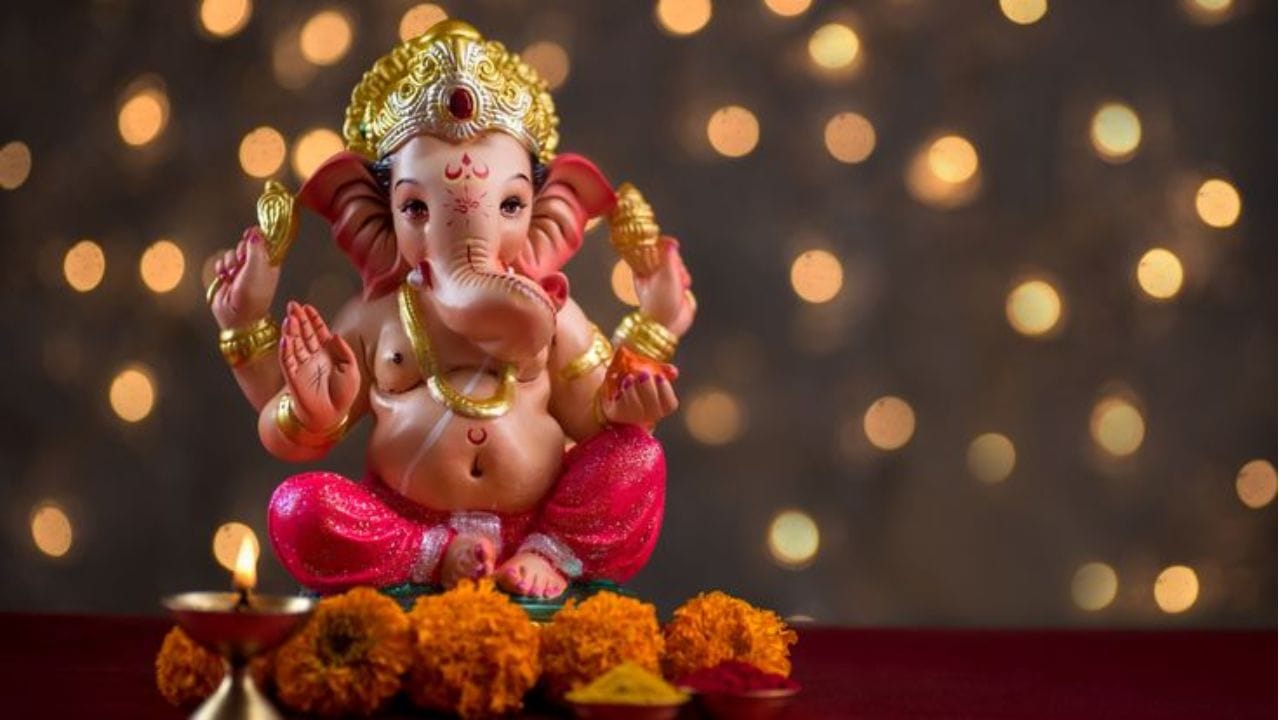
New Delhi: Dhundhiraja Chaturthi 2026 will be observed on February 21 and falls on Phalguna Shukla Chaturthi, a day dedicated to Lord Ganesha in His Dhundhiraja form. This sacred vrat is performed with discipline and quiet devotion, guided by scriptural tradition rather than festive display. It is especially observed by devotees seeking relief from recurring obstacles, lingering health concerns and delays in important tasks. Ancient texts such as the Matsya Purana and the Varaha Purana mention the significance of this observance, highlighting its focus on purification, restraint and steady prayer.
In certain traditions, the day is also referred to as Manoratha Chaturthi, reflecting the belief that sincere worship can help fulfil heartfelt wishes. Unlike larger public celebrations associated with Lord Ganesha, this vrat centres on inner discipline, mindful fasting and simple rituals performed at home. Understanding the correct vrat vidhi and its spiritual meaning allows devotees to observe the day with clarity and purpose.
Dhundhiraja Chaturthi 2026 Vrat Vidhi
The vrat begins early in the morning. Devotees wake before sunrise, bathe, and take a sankalp, or vow, to observe the fast with sincerity. Clean surroundings and a peaceful state of mind are considered important before beginning the worship.
1. Preparation for puja
A clean space is arranged for worship. An image or idol of Lord Ganesha is respectfully placed on a cloth. Offerings are kept ready, which generally include:
- Durva grass
- Fresh flowers
- Modak or simple sweets
- Sesame seeds
- Incense and lamp
- Fruits
Sesame seeds hold special importance in this vrat, as they are mentioned in scriptural references connected to this observance.
2. Puja procedure
The worship is usually performed during the Madhyahna period. Devotees offer water, flowers, durva grass, and sweets while chanting Ganesha mantras. Recitation of Ganesha Atharvashirsha or simple repetition of “Om Gan Ganapataye Namah” is common. Sixteen traditional offerings, known as Shodashopachara Puja, may also be performed according to one’s capacity. After the main prayers, aarti is offered with devotion.
3. Fasting rules
There are different ways to observe the fast. Some devotees keep a complete fast throughout the day. Some observe Nakta Vrat, eating only once after sunset. Some consume fruits and water. The vrat is broken the next day, on Panchami Tithi, after completing the morning prayers. In certain traditions, feeding Brahmins and offering sesame-based food is recommended.
Spiritual significance of Dhundhiraja Chaturthi
The word Dhundhiraja refers to Lord Ganesha as the remover of hidden and stubborn obstacles. This form is believed to clear difficulties that are not easily visible but create repeated delays in life.
The Matsya Purana describes this vrat as capable of fulfilling sincere wishes when observed regularly. The Varaha Purana highlights the offering of sesame and charity as acts that purify past karmas.
Spiritually, Dhundhiraja Chaturthi teaches restraint and self-discipline. The fast encourages control over food and speech. The prayers promote focus and humility. The use of sesame seeds symbolises cleansing and inner purification.
This vrat is also seen as a preparatory practice. Scriptures mention that kings and deities observed it before undertaking major tasks. The message is clear. Before seeking outward success, one must clear inner disturbances.
Devotees believe that observing Dhundhiraja Chaturthi regularly brings:
- Removal of repeated obstacles
- Mental stability
- Relief from long-standing worries
- Gradual fulfilment of wishes
- Peace within the family
Unlike large public festivals, this observance remains personal and quiet. Its strength lies in sincerity rather than display.
Dhundhiraja Chaturthi 2026 offers a meaningful opportunity to reconnect with discipline and devotion. The vrat vidhi is simple yet structured, focusing on purity, prayer, and self-restraint. By following the traditional procedure and understanding its spiritual significance, devotees seek Lord Ganesha’s blessings for clarity, protection, and steady progress in life.
Observed with faith and patience, this sacred day becomes more than a ritual. It becomes a step toward inner balance and the removal of unseen barriers.
For feedback, please write to [email protected].