New Delhi: Pakistan’s prime minister, Shehbaz Sharif, has said that his country is ready to “facilitate meaningful and conclusive talks” to end the war in the Middle East. Related to this, there are reports that Islamabad is a possible venue for negotiations between the US and Iran.
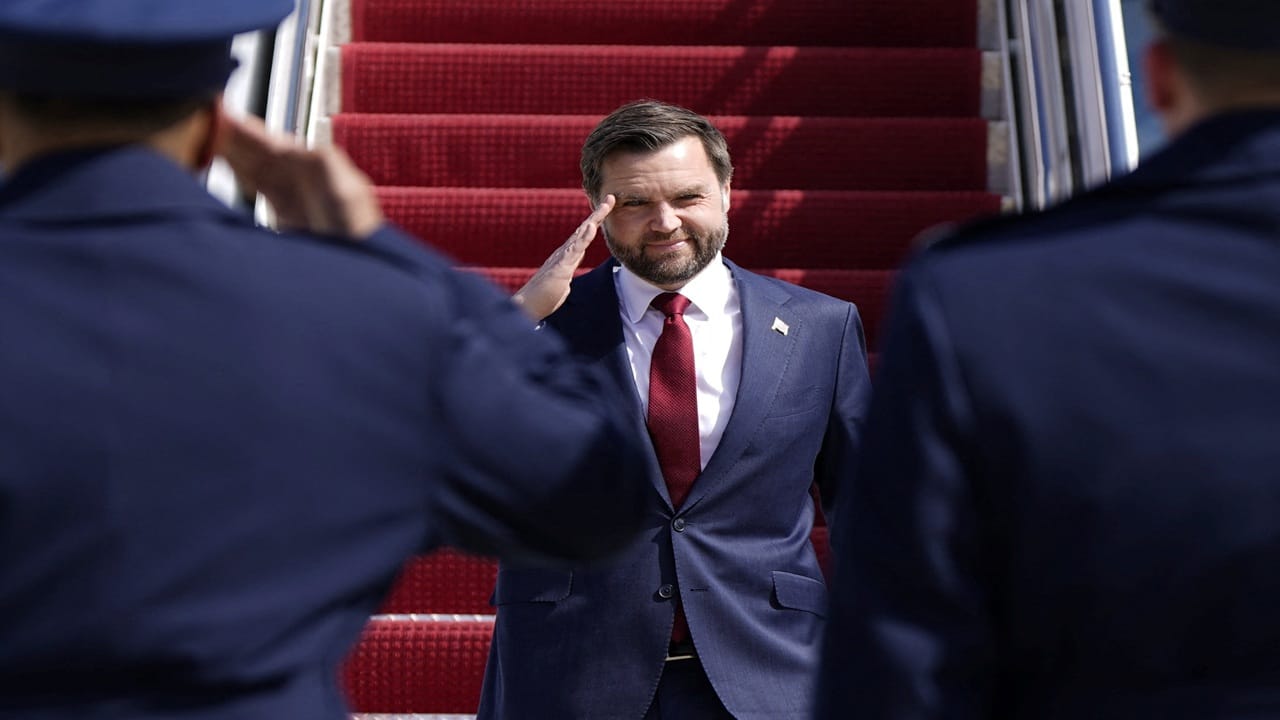
Many sources replete on both social media and other news publications are saying that the US vice-president, JD Vance, is being touted as a probable chief negotiator from the US side if talks went ahead. Iranian sources have reportedly said they would refuse to sit down with Trump’s Middle East envoy, Steve Witkoff, or Trump’s son-in-law Jared Kushner. Both of whom led the nuclear negotiations with Iran before the war.
Why is this important?
This is significant not because Vance has been the most visible face of US foreign policy during the crisis, but precisely because he has not been so. While usually loquacious, during the current war between Iran and the US-Israel alliance, the Vice President has been unusually silent. Pete Hegseth, Secretary of Defence and Marc Rubio, Secretary of State have instead seen more prominence when it comes to commenting on the US position on the war.
Another important factor to note in this context is that reports indicate that Iran has shown reluctance to engage with earlier US envoys like Steve Witkoff or Jared Kushner. In contrast, Vance may well be seen as a relatively new channel of communication, someone who till now has not been directly associated with past diplomatic breakdowns.
As the circumstances between Iran and the US have changed significantly from the time they were last on the negotiating table, a complete reevaluation is needed to now bring any peace talks to fruition and a new face is more likely to accomplish this. Vance in this sense thus makes sense, someone at the very top of the US political hierarchy but still not directly a part of the prior conversations.
Vance has, in the past, expressed skepticism toward deeper US military involvement in foreign conflicts, favouring restraint and negotiated outcomes. This is another positive aspect that might make him look less of an ideologically hardliner and more open to bringing about a resolution to the war.