The proposed Delimitation Bill sparks fierce debate, with the opposition calling it fraudulent while the BJP defends it as an administrative necessity to ensure equitable development and fulfill women’s reservation quotas.
New Delhi [India], November 28 (ANI): The political confrontation over the proposed Delimitation Bill escalated sharply on Saturday, with opposition figures alleging severe threats to national unity and federal representation, while leaders of the ruling Bharatiya Janata Party (BJP) claimed that the INDIA bloc is unravelling and asserted that the legislation will pass Parliament with a significant majority.
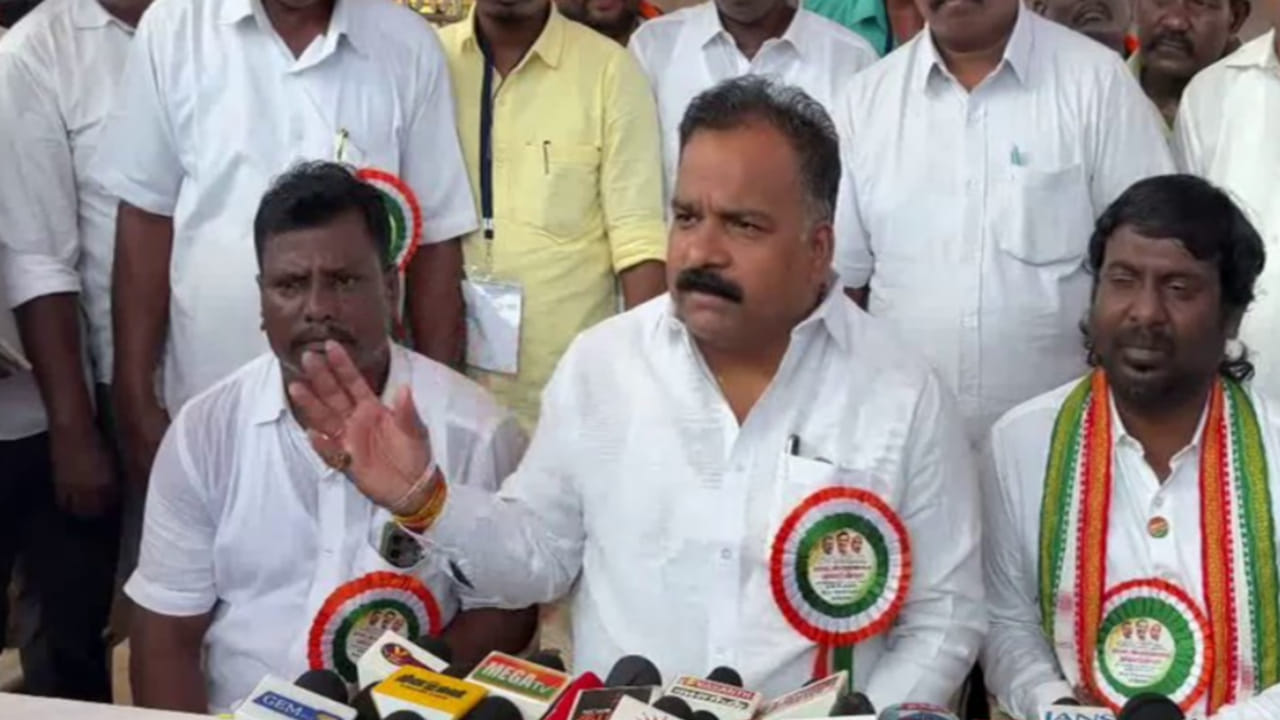
Labelling the exercise “fraudulent,” Congress MP Manickam Tagore from Thoothukudi in Tamil Nadu argued that it disproportionately disadvantages southern states that have successfully controlled their populations while heavily tilting parliamentary representation toward the north. “The proposed delimitation exercise is unfair, while Tamil Nadu’s Lok Sabha seats would increase from 39 to 59, Uttar Pradesh’s seats would rise from 80 to 120. As a result, the difference between the two states would widen from 41 to 61 seats. It is not a fair delimitation but a fraudulent delimitation,” Tagore told reporters.
In Pune, Vanchit Bahujan Aghadi (VBA) chief Prakash Ambedkar claimed the draft legislation is part of a divisive geopolitical design aimed at destabilising the country’s demographic balance. Ambedkar urged regional parties, including Tamil Nadu’s ruling DMK, to close ranks and defeat the bill in Parliament. Speaking to ANI, Ambedkar said, “I would say this Delimitation Bill is being brought by the RSS–BJP government at the behest of Pakistan. Nobody had asked for it. The states were happy with the kind of representation they have in Parliament…China wants to take control of the Seven Sisters, that is, the Northeastern states, and Pakistan wants to take revenge for the creation of Bangladesh; therefore, both share a common agenda of dismantling India. Demographics is one of the grounds on which unrest can be sparked in India, and that has been started by the Pakistan-based organisation RSS… DMK and other organisations which have been fighting all along should vote against this bill and defeat this bill so that India remains united.”
Meanwhile, in Solapur, senior Congress leader Sushil Kumar Shinde stepped back from earlier remarks, clarifying that he had been misquoted as supporting the legislation. “The statement I gave in the morning was distorted. Therefore, I have decided not to give any reaction right now. I will not say anything on this,” Shinde stated. When questioned about reports suggesting that Nationalist Congress Party (Sharadchandra Pawar) supremo Sharad Pawar might extend support to the Delimitation Bill, Shinde maintained a guarded silence, offering a terse, “No comment on this.”
Countering the opposition’s pushback, the BJP mounted an aggressive defence of the legislation, framing delimitation as an administrative necessity essential for governance, development, and the implementation of the women’s reservation quota. Speaking in Begusarai, Union Minister Giriraj Singh criticised the opposition for shifting goalposts after previously supporting the Women’s Reservation Bill in Parliament. “In my view, the Women’s Reservation Bill had received support from everyone in the House. As for those who are now opposing it, including women, it will eventually make them realise that this flip-flopping—opposing it at times and supporting it at others—is not the right kind of politics,” Singh told reporters.
Singh argued that redrawing electoral boundaries into smaller units is standard administrative practice to foster equitable development and ensure adequate democratic representation for women. “The number of parliamentary seats in India should increase. From the perspective of development, many administrative districts across the country have been reorganised into smaller units. Given this, delimitation is essential for development, and the country’s female population deserves their rights and proper representation,” he added.
In Kolkata, BJP MP Rahul Sinha claimed that internal discord over the legislation has shattered the unity of the INDIA alliance, predicting a smooth passage for the bill on the floor of the House. Taking aim at Congress leader Rahul Gandhi, Sinha claimed that the opposition bloc’s claims of solidarity have fallen flat. “Rahul Gandhi should retire from politics. The reason is that the INDIA alliance has fallen apart. Consequently, all the grand claims Rahul Gandhi made about the INDIA alliance have proven to be hollow. Today, all the partners of the INDIA alliance have walked away. They did not even visit Kharge-ji’s residence, and it has become clear today that the bill being introduced by the government will pass—and by a significant margin,” Sinha told ANI.
The political push follows the Union Cabinet’s approval of three revised draft legislations—The Constitution (132nd Amendment) Bill, 2026, The Delimitation (Second) Bill, 2026, and an amendment to Union Territories laws—slated for the special sitting starting November 30. Under the proposed formula, Lok Sabha and State Assembly seats are set for a uniform 50 per cent expansion across states and UTs (raising the Lower House’s constitutional cap from 550 to 850) to roll out the 33 per cent women’s reservation before the 2029 general elections, using 2011 Census figures for internal boundary adjustments while freezing inter-state seat ratios at the 1971 baseline until 2051.