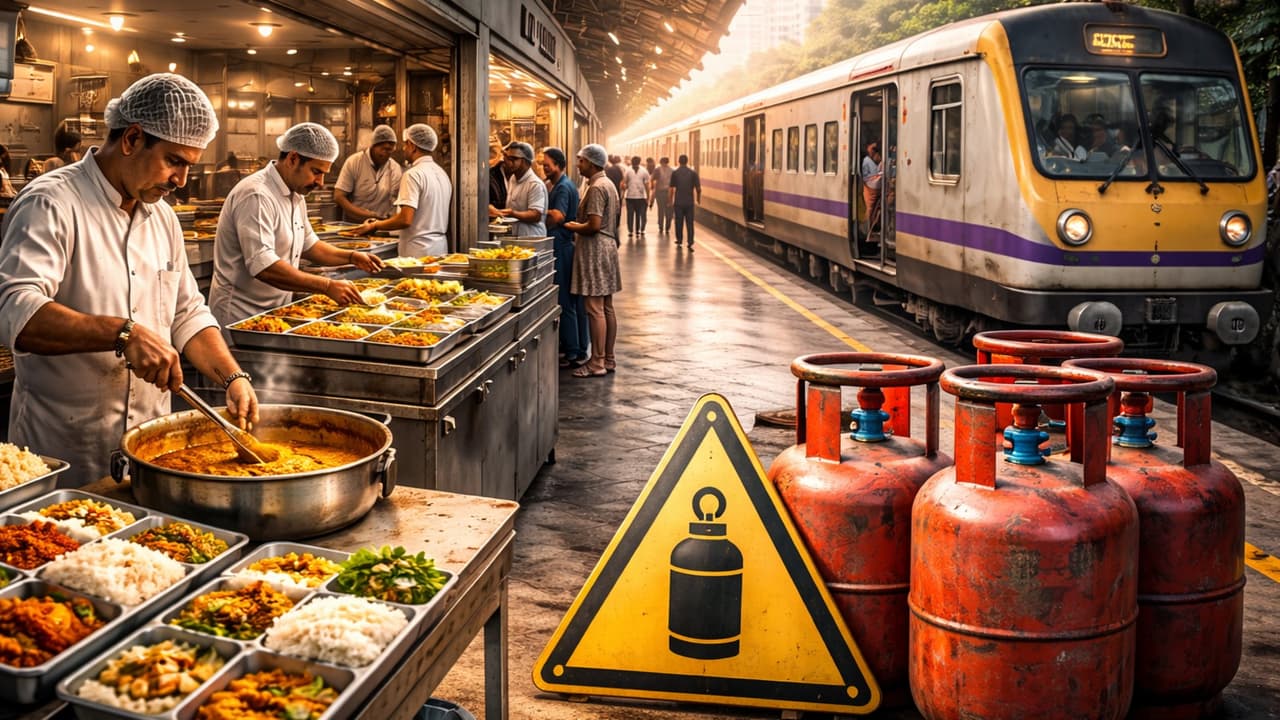
<p>LPG crisis in Delhi? With the Middle East conflict and the Strait of Hormuz at risk, the Delhi government has a new priority-based policy for cylinder distribution. Will it ensure timely LPG for hospitals, schools, and restaurants?</p><img>The Delhi government has rolled out a priority-based distribution policy for commercial LPG cylinders. This comes as tensions in the Middle East and the potential closure of the Strait of Hormuz threaten supplies from Iran. Since 80-90% of India’s LPG shipments pass through this route, any geopolitical instability directly disrupts the supply chain. The government has now identified 8 priority sectors for LPG supply.<img>So, how is the government handling the supply during this crisis? The Delhi government is ensuring LPG reaches hospitals, schools, and other essential services by prioritising domestic production. It has implemented a four-tier priority system. The government has also diverted resources from petrochemical production to boost LPG output and is using booking monitoring to prevent panic buying.<img><p>The government has listed 8 priority sectors. 1: Hospitals, educational institutions, railways, and airports get 100% of their daily consumption. 2: Government and PSU canteens. 3: Restaurants and eateries. 4: Hotels and guest houses. 5: Dairies, bakeries, and sweet shops. 6: Catering and banquet halls. 7: Dry cleaning, packaging, and pharma units. 8: Sports facilities and stadiums. Each sector will get cylinders based on their average consumption and a set percentage.</p><img>Three Oil Marketing Companies (OMCs) will handle commercial LPG distribution in Delhi. Indian Oil (IOC) will manage 58%, BPCL will handle 27%, and HPCL will take care of the remaining 15%. The distribution will mainly be through standard 19 kg cylinders. However, Priority 1 institutions can get special capacity cylinders if needed.<img>Yes, the government believes it will. The entire distribution system will be based on consumer bookings. Any unfulfilled requests will be handled on a ‘first-in, first-out’ (FIFO) basis. This system is designed to stop hoarding and illegal stocking of cylinders.<img>The government is encouraging businesses to switch to alternatives like electric induction, steam-based cooking, and piped natural gas (PNG). The Delhi government will also issue daily LPG supply bulletins. It has instructed OMCs to create awareness among people to avoid panic booking and hoarding.<img>The Food and Civil Supplies Department, Delhi Police, and OMCs will conduct joint checks to stop illegal storage, black marketing, and under-weighing of cylinders. Anyone found violating the rules will face strict action under the Essential Commodities Act and the LPG Order.