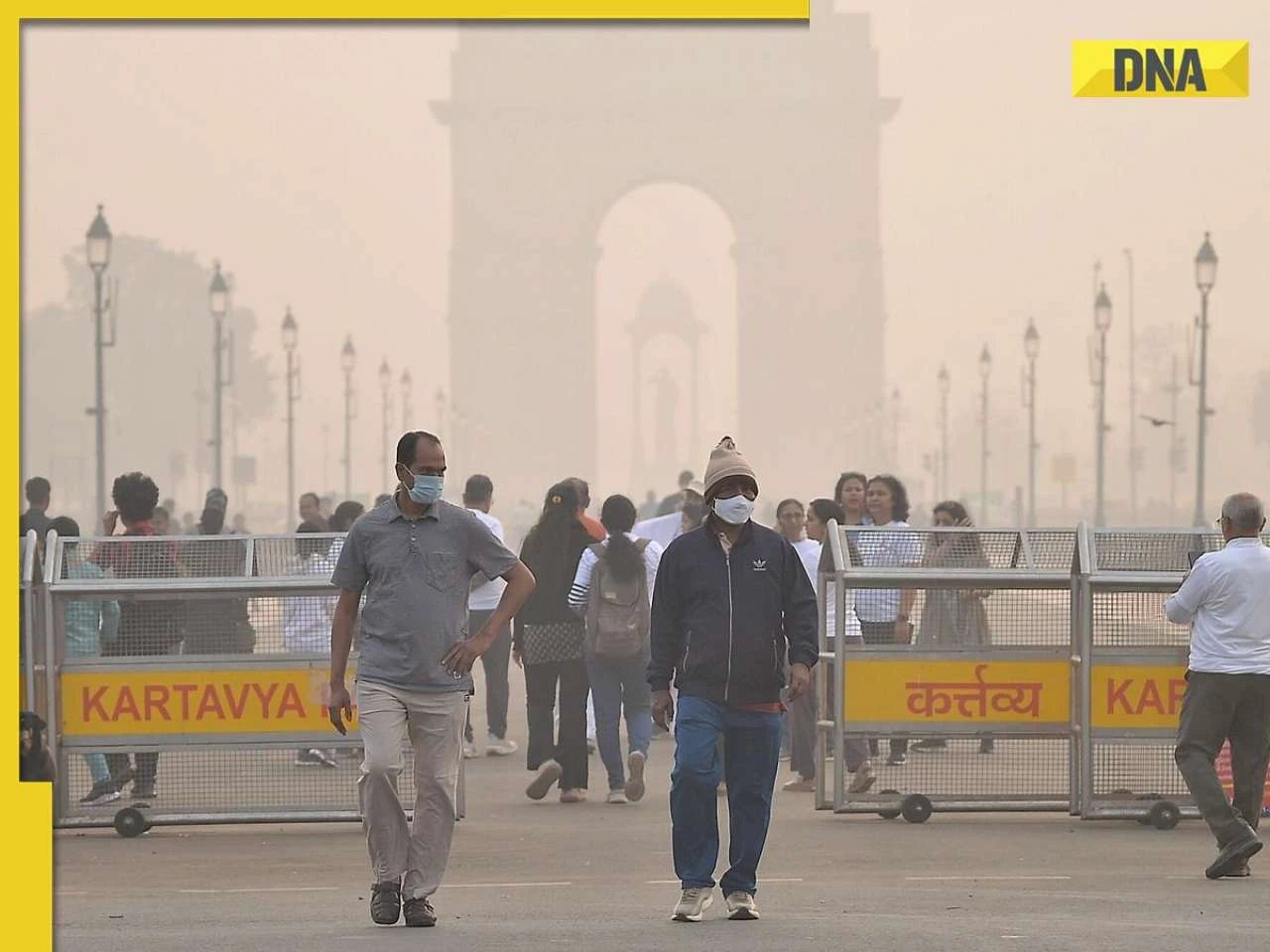
After showing brief signs of improvement earlier in the week, Delhi’s air quality worsened again on Friday, returning to the ‘very poor’ category.
Rising emissions from vehicles and pollution drifting in from neighbouring National Capital Region (NCR) districts continue to burden the capital’s atmosphere, erasing the short-lived relief experienced over the past two days.
AQI Levels Cross Alarming Thresholds
According to data released by the Central Pollution Control Board (CPCB), Delhi’s average Air Quality Index (AQI) was recorded at 292 at 8 am. This reading firmly placed the city in the ‘very poor’ category. Out of 39 monitoring stations across the capital, more than half reported AQI levels exceeding 300, indicating unhealthy air conditions for residents.
Several areas emerged as pollution hotspots. Anand Vihar topped the list with an AQI of 377, followed closely by Jahangirpuri, Bawana, and Ashok Vihar. Other locations recorded air quality ranging from ‘poor’ to ‘moderate’. Under CPCB standards, AQI values between 301 and 400 are classified as ‘very poor’, while levels above 401 are considered ‘severe’.
Vehicles and NCR Districts Drive Pollution Load
Analysis from the Decision Support System (DSS) for Air Quality Management highlighted that vehicular emissions remain the dominant source of pollution in Delhi, contributing nearly one-fifth of the total load. Industrial activities within Delhi and surrounding areas added a significant share, while construction work and waste burning contributed smaller but notable portions.
Pollution inflow from NCR districts further aggravated the situation. Jhajjar in Haryana was identified as the largest external contributor, followed by Rohtak and Sonipat. These neighbouring regions continue to influence Delhi’s air quality, especially during periods of unfavourable weather conditions.
Weather Offers Little Assistance
Meteorological conditions have not been supportive of pollutant dispersion. Weak northwesterly winds, reaching speeds of only around 10 kmph during afternoon hours, limited the clearing of suspended particles. The Air Quality Early Warning System indicated that such conditions could allow pollution levels to persist or worsen in the coming days.
Temperatures also reflected seasonal variation. The city recorded a maximum temperature slightly above normal, while the minimum dipped marginally below average. Moderate fog is expected during early morning hours, which may further reduce visibility and trap pollutants near the surface.
December Sees Limited Clean Air Days
December has so far offered little respite for Delhi residents. The month has already seen multiple days with ‘poor’ air quality, and none categorised as ‘satisfactory’. Earlier this week, the capital experienced a severe pollution episode when AQI levels crossed 400. Compared to last December, which had a more balanced mix of air quality days, this year continues to pose growing environmental concerns.
With forecasts indicating further deterioration, residents may need to brace for prolonged exposure to unhealthy air in the days ahead.