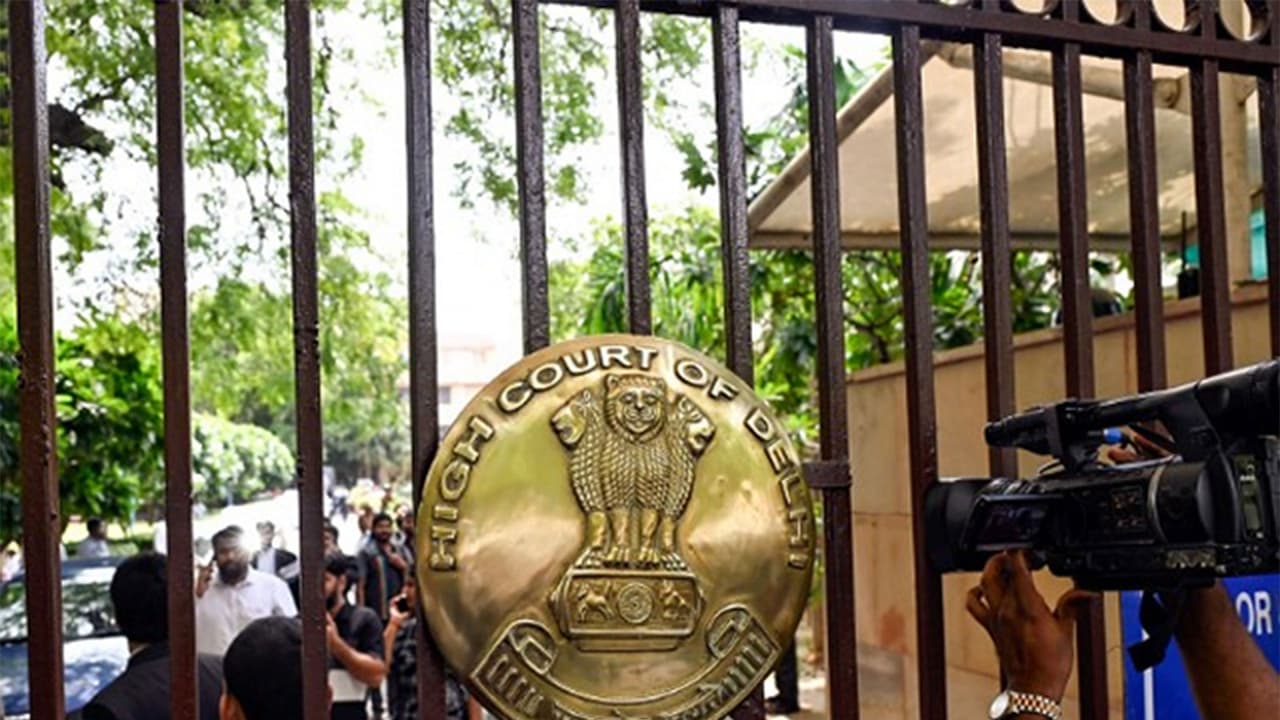
The Delhi High Court put a hold on the Delhi government’s notification for private schools to set up fee regulation committees. The court ruled that the notification will remain suspended until the petitions from school associations are finally decided.
High Court Stays Notification
The Delhi High Court on Saturday put on hold the Delhi government’s February 1 notification directing private schools in the national capital to set up School-Level Fee Regulation Committees (SLFRCs) and submit proposed fee structures for the next three academic years.
Details of the Court Order
A Division Bench comprising Chief Justice Devendra Kumar Upadhyaya and Justice Tejas Karia ordered that the notification shall remain in abeyance until the petitions are finally decided.
The Court clarified that, for the academic year 2026-27, schools may continue charging the same fees as in the previous academic year, subject to the final outcome of the case.
The Bench observed that it would be appropriate to defer the constitution of the SLFRCs while the matter is pending. Accordingly, clauses 3(1) and 3(2) of the notification have been kept in abeyance.
The Court also directed that the petitions are scheduled for final hearing on March 12, 2026.
Background of the Legal Challenge
The matter stems from a gazette notification issued on February 1 by the Delhi government, requiring private unaided schools to constitute SLFRCs within 10 days (by February 10) and submit details of proposed fee structures for the next three academic sessions within 14 days thereafter.
School associations, including the Delhi Public School Society and the Action Committee of Unaided Recognised Private Schools, challenged the move. They argued that the notification altered timelines prescribed under the Delhi School Education Act and was therefore legally unsustainable.
Arguments in Court
On Friday, the High Court had reserved its order on interim relief after hearing detailed arguments.
Petitioners’ and Government’s Stance
The petitioners contended that the government could not modify statutory timelines through an executive notification.
Appearing for the government, Additional Solicitor General SV Raju maintained that the timelines under the Act were not inflexible and could be reasonably adjusted. He submitted that the objective of the law is to prevent commercialisation and profiteering in education, and delaying its implementation could result in unregulated fee hikes affecting students and parents.
Earlier, on February 9, the High Court had extended the initial February 10 deadline for forming the committees.
The Directorate of Education, in its response, stated that implementing the Act from April 1 was essential to ensure fee regulation and curb exploitative practices.
(Except for the headline, this story has not been edited by Asianet Newsable English staff and is published from a syndicated feed.)