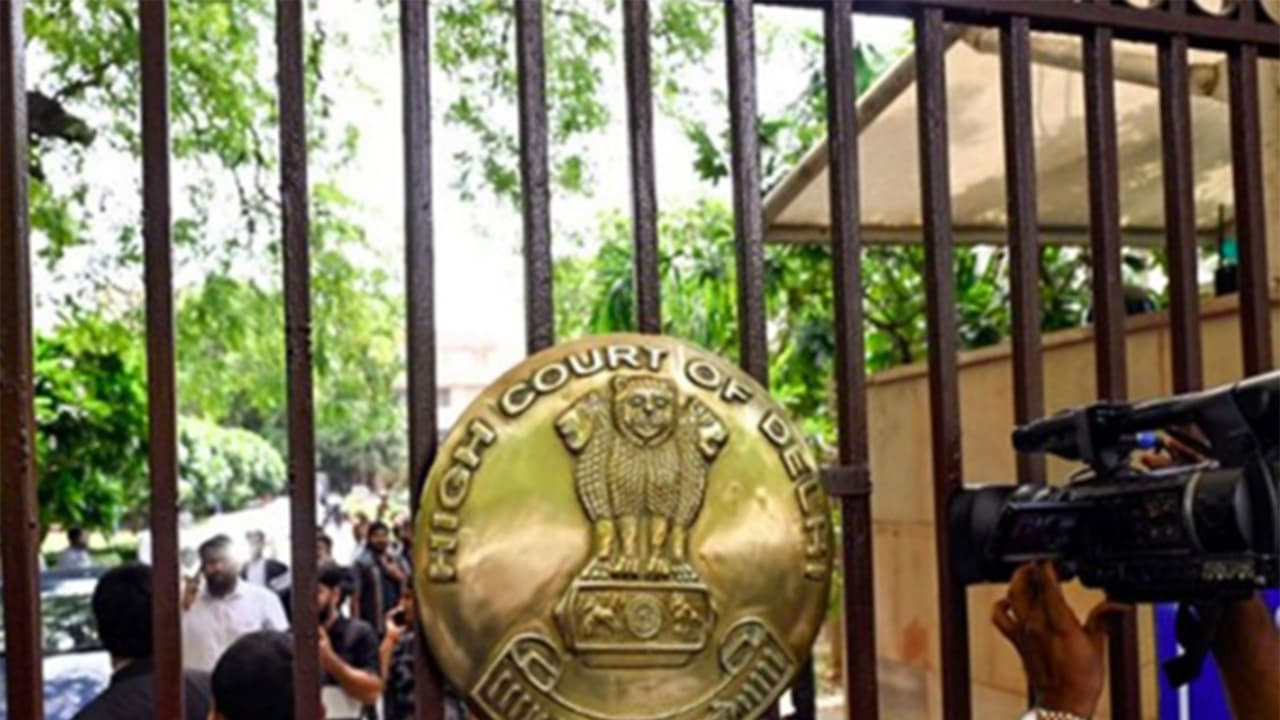
The Delhi High Court stayed adverse remarks against the CBI made in a trial court order that discharged all 23 accused in the Delhi Excise Policy case. It also deferred proceedings in the related money laundering case until further hearing.
CBI Challenges Discharge Order
Justice Swarna Kanta Sharma passed the directions while hearing an appeal filed by the Central Bureau of Investigation (CBI) challenging the discharge order.The court also issued notice to the other side, as none appeared on behalf of the 23 respondents, involving Aam Aadmi Party senior leaders, including former Delhi Chief Minister Arvind Kejriwal and former Deputy CMr Manish Sisodia, during the hearing.During the proceedings, Solicitor General Tushar Mehta, appearing for the CBI, took the High Court through the background of the case and argued that the trial court’s order effectively amounted to an “acquittal without trial.”He contended that the alleged conspiracy involved bribe payments routed through hawala channels and made in several tranches, supported by meetings and forensic evidence collected during the investigation.
Argues Approver’s Statement Was Ignored
Mehta submitted that the trial court had misapplied the law at the stage of discharge by scrutinising the prosecution’s evidence as if it were deciding the case after a full trial.He argued that conspiracy cases are established by assembling various links of evidence during trial and cannot be expected to be proved through direct acts done openly.The Solicitor General further argued that the discharge order wrongly disregarded the statement of the approver recorded under Section 164 of the CrPC.According to him, settled legal principles recognise that such statements carry significant weight at the stage of framing charges and do not require corroboration at that preliminary stage.He also told the Court that the agency had collected “meticulous evidence” during the investigation and asserted that the trial court’s conclusions were perverse and reached at the wrong stage of proceedings.Referring to the impugned order, Mehta said that by discharging all accused without putting anyone to trial, the entire exercise undertaken by the investigating agency would go in vain.On the issue of adverse remarks, the Solicitor General submitted that the trial court had made scathing observations against the investigating officer and the agency, which were unwarranted at the discharge stage.
High Court Stays Remarks, Defers PMLA Proceedings
Accepting the submission, the High Court stayed the operation of those remarks.The High Court also directed that proceedings in the related money laundering case under the Prevention of Money Laundering Act be postponed by the trial court until the High Court hears the appeal further.
Background of the Case
The appeal arises from a February 27 order passed by Special Judge Jitender Singh of the Rouse Avenue Court, who discharged all 23 accused in the case registered by the CBI in connection with the Delhi Excise Policy 2021-22.The trial court had held that no prima facie case was made out and that the prosecution’s allegations of criminal conspiracy did not withstand judicial scrutiny.Challenging the order, the CBI has argued that the trial court misapplied settled principles governing the stage of framing of charge and undertook a detailed evaluation of evidence, which is impermissible at that preliminary stage.The agency has also contended that the court erred in its understanding of the law relating to approvers and in discounting material gathered during the investigation.The case concerns allegations that the now-withdrawn excise policy was framed to extend undue benefits to certain private licensees, resulting in alleged kickbacks and financial loss to the Delhi government.Among those discharged by the trial court are former Delhi CM Kejriwal and former Deputy CM Sisodia. (ANI)(Except for the headline, this story has not been edited by Asianet Newsable English staff and is published from a syndicated feed.)