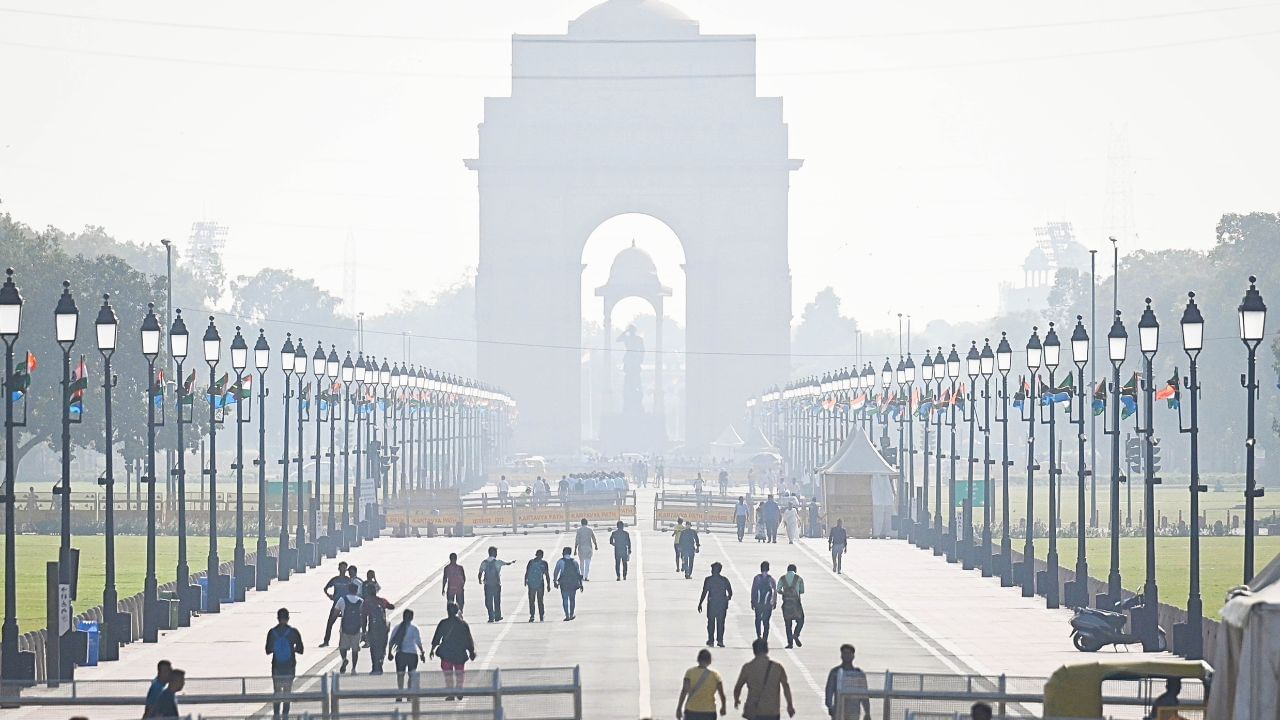
New Delhi: With rising pollution levels in Delhi and worsening AQI, the Delhi Pollution Control Committee (DPCC) has shared an advisory for the residents. The advisory urges locals to take necessary steps to protect the national capital’s environment. In the advisory, it was also stated that long-term pollution control cannot be achieved through enforcement; it requires efforts from the public as well.
The DPCC noted that many pollution violations — such as illegal waste dumping, unchecked industrial discharge, open burning, and excessive vehicular smoke — often persist because they are not reported promptly. Officials said citizens, who are closest to these daily infractions, can serve as the first line of defence by flagging problems as soon as they occur.
The committee streamlined complaint mechanisms through digital platforms to achieve this. Residents can report pollution-related issues through the SAMEER app, the Green Delhi app, or the 311 app. These allow one to submit location details along with pictures. As per DPCC officials, timely public reporting helps with coordination and identification of hotspots before conditions worsen. This can help reduce prolonged exposure and prevent violations, too.
The advisory moves its focus from reporting to prevention, urging people to rethink their ways that silently damage the environment. Vehicular emissions are responsible for worsening the AQI in Delhi. Using public transport, opting for shared mobility, or transitioning to electric and hybrid vehicles were cited as effective ways to lower emissions.
Green cover has also emerged as an area of concern. The committee is therefore encouraging communities to participate in tree planting and preserve the existing spaces. Studies show that increasing greenery in surroundings can help with better absorption of pollutants, while also regulating temperature and improving overall AQI in populated areas, such as Delhi-NCR.
DPCC officials stress that pollution control is not limited to policy enforcement or government action. Instead, it is shaped by conscious decisions of every individual made every day. These steps, when adopted collectively, can work well to reduce environmental burden. A complex, long-standing challenge, progress can be achieved if everyone continues to act responsibly. The DPCC concluded by urging citizens to stay engaged and informed, stressing that Delhi’s path to cleaner air and a healthier future depends on cooperation between authorities and the people they serve.