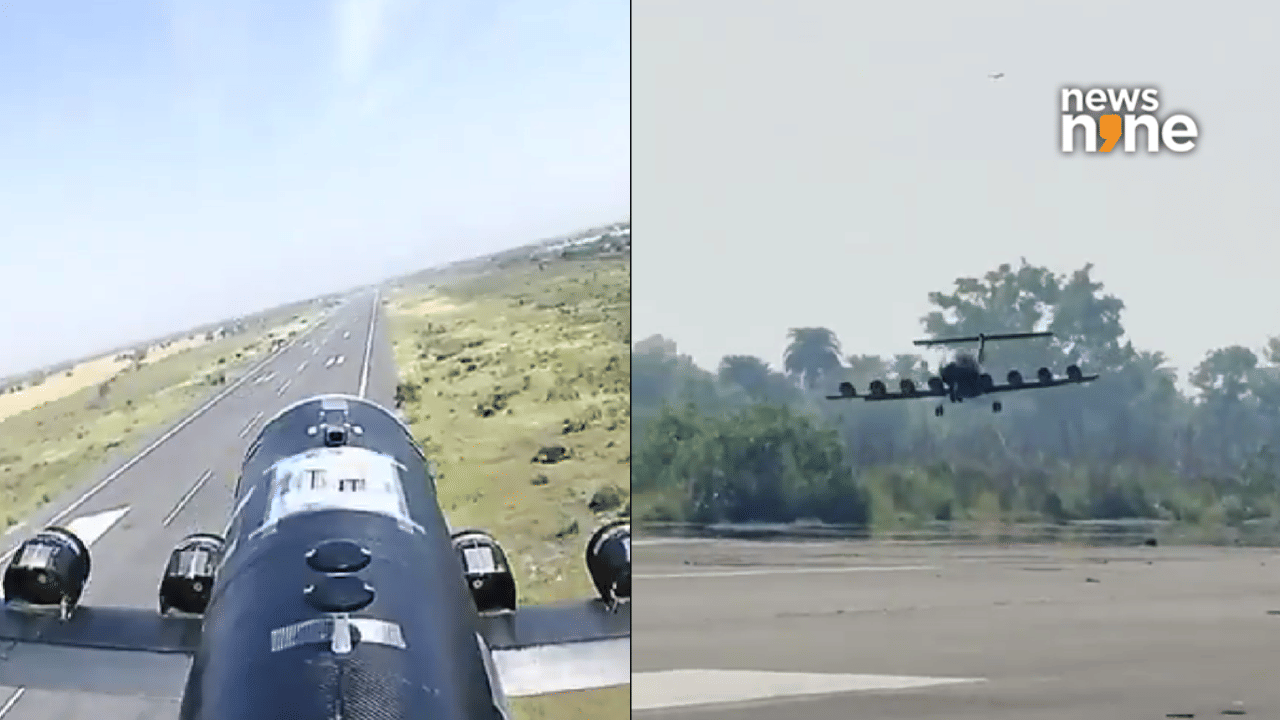
India’s push into deep tech aviation is starting to show early signs of progress. A new test flight by LAT Aerospace, the startup backed by Zomato CEO Deepinder Goyal, has drawn attention after the company completed a successful mission with its latest prototype.
This comes months after an earlier test in January 2026 ended in a crash. That test still achieved its core goal. Now, with version 0.2, the company says it has moved a step ahead in validating its aircraft design and performance.
We just completed a successful flight for our tech demonstrator, Lat One v0.2.
Lat Aerospace is building ultra-short takeoff and landing aircraft using blown wing technology. Think fixed-wing performance with near-helicopter access.
A couple of months ago, v0.1 achieved uSTOL… pic.twitter.com/bmSVOKGoTr
— Deepinder Goyal (@deepigoyal) April 2, 2026
LAT Aerospace completes successful v0.2 test flight
Deepinder Goyal shared details of the latest test, confirming that the Lat One v0.2 prototype completed a full mission flight.
He said, “We just completed a successful flight for our tech demonstrator, Lat One v0.2.”
The aircraft stayed airborne for over six minutes and landed smoothly. The team also reported that the system matched expected performance closely.
Goyal added, “We’d predicted a cruise speed of 30-32 m/s and cruised comfortably at 33. No thermal issues despite a burning afternoon.”
The company is building ultra short takeoff and landing aircraft using blown wing technology. The idea is to combine fixed wing efficiency with the ability to operate in tight spaces.
From crash to control: what changed
The earlier v0.1 prototype had achieved uSTOL capability but crashed shortly after takeoff. The company had already expected that outcome during testing.
This time, the focus was different. The goal was to complete the mission and validate systems.
According to Goyal, “v0.2 was about completing the full mission, and it did. The blown wing concept worked in reality. Closed-loop control got validated.”
The test also showed that key components held up during aggressive turns and high stress conditions.
Funding, hiring and what’s next
Goyal has invested 20 million dollars into the startup, with plans to scale further. The company is hiring aerospace engineers and aviation experts to continue development.
He said, “It’s that our CFD studies, aerodynamic models, SIL simulations, and flight logs all match, almost perfectly. That’s what real engineering looks like.”
The startup still has a long path ahead. But with this test, it has shown early signs that the concept can work outside simulations.