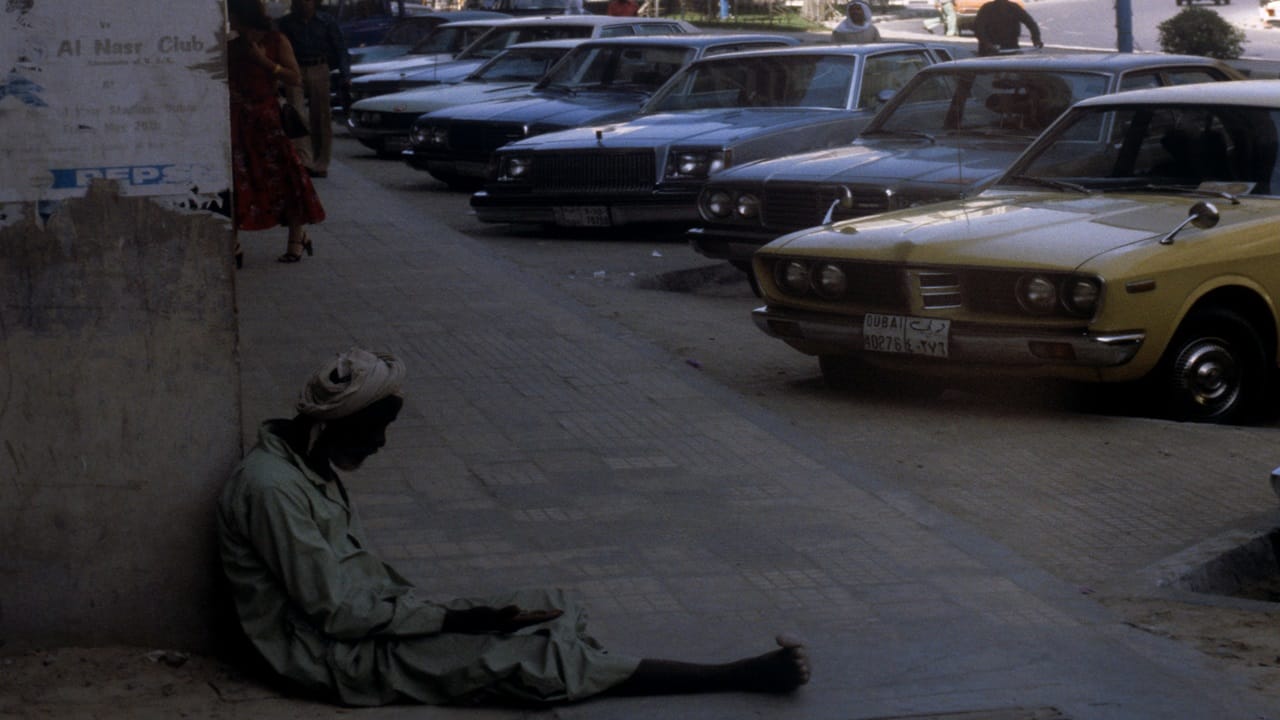
New Delhi: Ramzan is currently underway, and charity is at its peak in the UAE. However, the holy month is also witnessing a spike in organised begging. Authorities say there are many visitors who enter the country on short-term visas to cash in on generosity of the public, Khaleej Times reported.
The practice was recently flagged by the Dubai Police after it arrested a man in a parking area carrying Dh20,000 in cash. Brigadier Ali Salem Al Shamsi, director of the Suspicious Persons and Criminal Phenomena Department, was quoted as saying in the report that the person had been targeting motorists in luxury vehicles at traffic lights and parking areas, citing hardship and asking for money.
Rise in begging in UAE
In an official statement, Al Shamsi stated: “Beggars often use deceptive tactics to exploit sympathy at mosque entrances, hospitals, clinics, markets and streets.” He called on residents to inform about such cases to the police through the 901 call centre or the Police Eye feature on the Dubai Police app, and to route charity or donations through licensed charities.
The annual Combating Begging campaign was rolled out in coordination with strategic partners, and its enforcement has been stepped up over the past five years.
According to the report, between 2021 and 2025, Dubai Police arrested a total of 1,801 beggars. The year-wise breakdown includes 458 in 2021, 318 in 2022, 499 in 2023, 320 in 2024 and 206 in 2025, marking a 70 per cent drop over the period, it added.
In 2025, during Ramadan and Eid Al Fitr, as many as 222 beggars were arrested in Dubai, including 127 in the first half of the year.
Police pointed out that similar patterns have been found across other emirates. In 2025, Abu Dhabi Police arrested 237 beggars, Sharjah Police detained 144, and Ras Al Khaimah Police apprehended 51 during the same period.
Police said that most of the arrested people during Ramadan were visitors who entered the country on short-term visas.
It’s an organised racket
A number of probes have shown that many beggars do not operate in isolation.
In May last year, Dubai Police carried out a raid at a hotel and apprehended 41 Arab nationals who had entered the country on visit visas. They were allegedly using the property as a base to coordinate begging activities. Authorities recovered over Dh60,000 from their possession.
In some cases, huge sums of money were recovered by the police which was concealed by individuals posing as destitute, including Dh25,000 hidden under a prayer mat and, Dh300,000 discovered in an artificial limb in another case.
How do they solicit money
Police have sounded caution against so-called “salaried beggars” or people allegedly brought into the country and paid to solicit money, at times by feigning illness or disability.
An approach that is mostly adopted is: a person approaching vehicles at traffic signals or parking lots with a heavily bandaged arm and a medical prescription, claiming a workplace injury and asking for financial help. Authorities say such injuries are often fabricated.
Some individuals also attach fake IV tubes to their bodies to show that they are seriously ill. Another tactic resorted to is the “stranded family” story: drivers in vehicles with neighbouring country number plates claiming they have run out of fuel or do not have money for food.
Begging is a crime punishable by law.
Imprisonment for up to 3 months and a fine of AED 5,000.
Give wisely… and direct your donations through approved entities.#GiveWisely— Dubai Policeشرطة دبي (@DubaiPoliceHQ) February 23, 2026
Police have also warned about online begging. In 2024, almost 1,200 online begging cases were found across the UAE. Dubai Police have cautioned residents not to respond to social media appeals which ask for money transfers to unknown accounts. Recently, taking to X, the Dubai Police highlighted the problem, warning that begging is a crime and one can be put behind bars for it for up to 3 months and slapped a fine of AED 5,000. “Give wisely… and direct your donations through approved entities,” the post added.