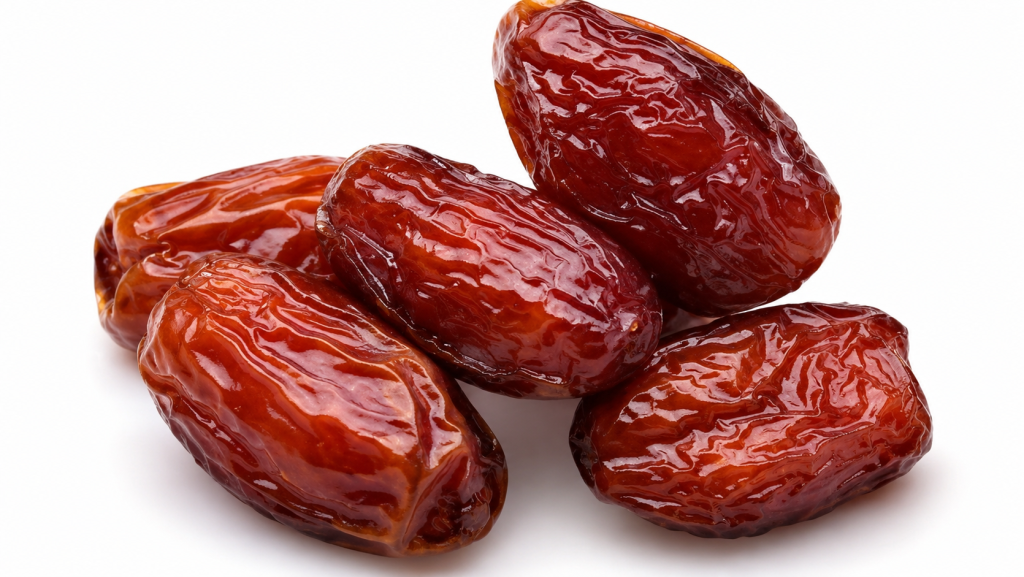
Dates During Pregnancy are often discussed as part of a healthy diet, particularly during the final weeks before delivery. Many expectant mothers look for foods that may support their health and help them prepare for labour. According to gynaecologist Dr. Jamin Kumar, dates are one fruit that pregnant women may consider including in their diet towards the end of pregnancy. Dates contain several nutrients and provide natural energy. Some studies have also explored a possible connection between eating dates in late pregnancy and the body’s readiness for labour. However, eating dates does not guarantee a normal delivery, as the mode of childbirth depends on several medical factors.
Why are dates recommended in the final weeks of pregnancy?
Dates are naturally sweet and contain carbohydrates, fibre and minerals. Their nutritional content makes them a convenient source of energy, which can be useful during pregnancy when the body’s nutritional requirements change. The doctor suggests that including dates in the final weeks may help support the body’s preparation for labour.
Some research has examined whether date consumption near the end of pregnancy is associated with cervical readiness and the natural onset of labour. These findings are interesting, but they should not be interpreted as proof that dates can ensure a vaginal delivery. Every pregnancy is different, and medical decisions must be based on the health of both mother and baby.
When can pregnant women start eating dates?
According to the doctor’s advice shared in the report, women may consider adding dates to their diet after completing 36 weeks of pregnancy. This is generally the period when the body gradually moves closer to childbirth. However, the right time to introduce any food can depend on an individual’s health and pregnancy history.
Women should consult their gynaecologist before making dietary changes, especially if they have gestational diabetes, blood sugar concerns or other pregnancy-related complications. Dates contain natural sugars, so their quantity may need to be adjusted for some women.
How many dates can be eaten daily?
The doctor mentioned a suggested intake of around four to six dates a day after the 36th week. However, this should not be treated as a fixed recommendation for every pregnant woman. The appropriate amount depends on factors such as blood glucose levels, overall diet, body weight and individual medical needs.
Pregnant women should discuss portion sizes with their healthcare provider rather than following a general recommendation without considering their own condition. Those who have been advised to monitor their sugar intake should be particularly careful about consuming dried fruits and other naturally sweet foods.
Possible benefits of eating dates before delivery
1. May support cervical preparation
The cervix gradually softens and changes as the body prepares for childbirth. Some studies have explored whether eating dates in late pregnancy may be associated with better cervical readiness. However, more research is needed before drawing firm conclusions about this effect.
2. May be associated with a lower need for labour induction
Labour induction is a medical procedure used when doctors need to start contractions artificially. Some research suggests that women who consume dates towards the end of pregnancy may be less likely to require induction. However, this is not a guaranteed outcome, and induction may still be necessary depending on the mother’s and baby’s condition.
3. May support the chances of natural labour
The possible relationship between date consumption and the onset of labour has attracted attention in pregnancy-related research. Some findings indicate that dates may support the body’s natural preparation process. Still, normal delivery depends on several factors, including the baby’s position, the mother’s health, labour progress and any medical complications. No particular food can guarantee a vaginal birth.
4. Can provide energy during postpartum recovery
Dates contain natural sugars and provide energy, making them a convenient food option after childbirth as well. A balanced diet during recovery is important for restoring strength and supporting the body’s nutritional needs. Dates can be included as part of that diet, provided they suit the mother’s health requirements.
Medical advice matters more than any single food
Dates can be a nutritious addition to a pregnancy diet for many women, but they should not be considered a treatment or a method of ensuring normal delivery. Regular antenatal check-ups, appropriate nutrition and guidance from a qualified gynaecologist remain essential throughout pregnancy. The safest delivery plan is always the one based on the medical needs of the mother and baby.