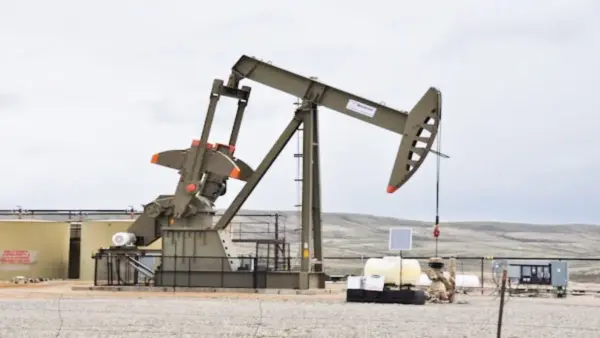
Crude oil prices surged on Monday as regional tensions in the Middle East escalated sharply. Israel’s decision to launch a new series of military strikes on Lebanon effectively shattered the ceasefire between the two nations, dealing a heavy blow to fragile peace efforts and fueling significant uncertainty across global energy markets, where fears are mounting that prolonged instability will further constrain oil supplies.
The situation is exacerbated by the expectation that the Strait of Hormuz, a critical bottleneck for global energy transportation, will remains restricted.
In response to the renewed hostilities, US crude futures rallied by 4.26 percent to settle at $94.40 per barrel. Brent crude oil futures followed a similar upward trajectory, posting a 3.82 percent increase to reach $96.65 per barrel. Investors are acutely aware that these market movements are driven by the prospect of severe supply chain disruptions should the conflict continue to affect key transition routes.
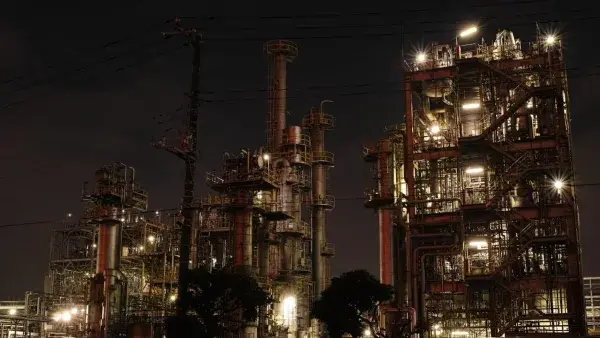
Market sentiment has deteriorated, particularly as the collapse of the truce diminishes the likelihood of a long-term US-Iran diplomatic breakthrough. Iran had previously tied the stability of the Lebanon ceasefire to broader progress in regional diplomacy. Tensions spiked further when Iran fired missiles at Israel in direct retaliation for a targeted strike in Beirut, a development that highlights the deepening involvement of Iranian-backed Hezbollah forces in the conflict.
Diplomatic maneuvering continues alongside the military buildup. According to reports from Reuters, US President Donald Trump has issued a direct advisory to Israeli Prime Minister Benjamin Netanyahu, urging him to refrain from further retaliatory action. Washington’s clear priority is to curb the cycle of escalation and avoid a wider, direct conflict with Iran, a sharp reversal from the optimism that characterized the initial agreement between Israel and Lebanon established in June.
Meanwhile, the Organization of the Petroleum Exporting Countries (OPEC) has intervened in an attempt to address the tightening supply outlook. Member nations have collectively agreed to increase oil output quotas, with the expansion set to take effect starting in July. This adjustment will add 188,000 barrels per day to global supplies. While this move represents a significant policy shift, it remains to be seen whether the additional output will be sufficient to mitigate the inflationary pressures created by the ongoing geopolitical turmoil and the persistent threat of supply chain interruptions.