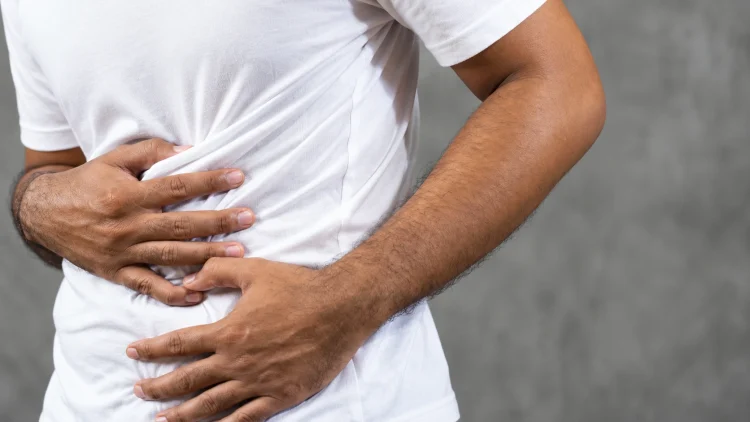
Constipation Relief often starts with small changes to everyday routines. Waking up and finding it difficult to pass stool, spending a long time in the bathroom or feeling that the bowel has not emptied completely can be frustrating. Constipation may also cause bloating, gas and a heavy feeling in the abdomen. Although several factors can contribute to the problem, including diet, medication and certain medical conditions, daily habits can influence bowel regularity. Ignoring the urge to use the toilet, drinking too little water and eating insufficient fibre may make symptoms worse. A consistent morning routine can help support normal bowel movements, but persistent constipation should not be treated as a lifestyle issue alone.
Avoid Ignoring the Urge to Use the Toilet
One habit worth changing is repeatedly postponing a bowel movement when the urge arises. If you feel the need to use the toilet after waking up, try to respond instead of putting it off because you are busy. Regularly ignoring the body’s signals can make it harder to establish a consistent toilet routine.
Try setting aside a comfortable amount of time each morning, preferably after breakfast if that suits your schedule. Eating can stimulate movement in the digestive tract, which may help some people pass stool. Avoid rushing, but do not sit on the toilet for long periods trying to force a bowel movement. Straining excessively can contribute to problems such as haemorrhoids.
Start the Day With Enough Water
Adequate fluid intake helps keep stool softer and easier to pass, particularly when combined with sufficient dietary fibre. Drinking a glass of water after waking up can be a convenient way to begin the day, but it is not a guaranteed cure for constipation.
What matters most is maintaining suitable hydration throughout the day. Fluid needs vary according to activity, weather and individual health. People who have been advised to restrict fluids because of a heart or kidney condition should follow their healthcare professional’s guidance rather than increasing water intake without advice.
If constipation is accompanied by signs of dehydration, such as unusually dark urine or reduced urination, consider whether you have been drinking enough and seek medical advice if symptoms persist.
Add More Fibre to Your Daily Diet
Fibre helps add bulk to stool and can support regular bowel movements. A diet with too little fibre may contribute to constipation, so gradually increasing fibre-rich foods can be useful.
Good options include:
-
Fruits such as pears, apples, guava and papaya.
-
Vegetables including spinach, carrots, peas and other green vegetables.
-
Whole grains such as oats, porridge and whole-wheat bread or roti.
-
Pulses and legumes, including chickpeas, kidney beans and moong dal.
Increase fibre gradually rather than making a sudden, large change, as this may cause gas or bloating. Drink enough fluids to help fibre work effectively. If dietary changes do not improve the problem, a healthcare professional can help identify other possible causes and suggest suitable treatment.
Make Walking Part of Your Morning Routine
Regular physical activity can support bowel function and overall digestive health. A walk of around 15 to 30 minutes in the morning may be a practical starting point for people who are able to exercise comfortably. Those who prefer not to walk outdoors can choose gentle indoor movement or another activity suited to their fitness level.
Staying active throughout the day also matters. Long periods of sitting can make it harder to maintain a healthy routine, so short movement breaks may be helpful. People with mobility limitations or existing medical conditions should choose activities appropriate to their health and seek professional guidance when needed.
Exercise alone may not resolve constipation, but it can complement a balanced diet, adequate hydration and regular toilet habits.
When Should Constipation Be Checked by a Doctor?
Occasional constipation is common, but symptoms that persist or repeatedly return deserve attention. Consult a healthcare professional if constipation does not improve with routine changes or starts interfering with daily life.
Seek prompt medical assessment if constipation occurs with blood in the stool, severe abdominal pain, vomiting, marked abdominal swelling or unexplained weight loss. Severe pain with an inability to pass stool or gas may require urgent care.
Avoid taking laxatives regularly for long periods without medical advice. The right treatment depends on the cause of constipation, other symptoms and any medicines you take. A consistent routine can help, but it is important to recognise when professional assessment is needed.