Commerce and Finance ministries are holding talks with major liquor companies to resolve a dispute over the classification of imported Scotch whisky, which is impacting supply chains due to disagreements over duty rates and HSN codes.
Government Consults Liquor Firms on Scotch Classification
The Commerce and Finance ministries on Wednesday held a meeting to resolve the issue faced by liquor companies over the classification of imported Scotch whisky, people familiar with the matter told ANI on condition of anonymity. Officials from both ministries discussed the issue in detail, and they are hopeful that the matter may be resolved soon, the sources said.
Last Monday, the International Spirits and Wine Association of India (ISWAI) and the Confederation of Indian Alcoholic Beverage Companies (CIABC) met Commerce Secretary Rajesh Agarwal and raised the issue of a duty difference because of which customs officials have held the stock of companies such as Pernod Ricard India, Diageo, Radico Khaitan and Allied Blenders and Distillers, the sources said.
The Classification Dispute
The industry objected to the Directorate of Revenue Intelligence’s (DRI) classification of imported Scotch whisky as alcoholic beverage concentrate rather than finished whisky, and the resulting dispute over the HS code and duty. The concern was also described as a technical issue affecting how the India-UK free trade agreement (FTA) was being applied. Agarwal reportedly assured the industry that the government would work to resolve the matter, the sources said.
The HS code determines which duty rate and rules apply. According to the sources, the DRI’s position is that the imported product should be classified as alcoholic beverage concentrate, not finished Scotch whisky, because it was imported at a higher strength and diluted later. This could change the duty calculation and raise a question over whether the original declaration was correct.
As per the DRI, the concentrate being imported ranges between 62 and 66 per cent alcohol strength, while Scotch ranges between 42 and 46 per cent. The two fall under different HSN codes, whereas the companies are claiming the imports fall under the HSN code covered by the FTA.
Trade Agreement Implementation Issues
Officials of the Department of Revenue are examining whether some bulk Scotch whisky imports by Pernod Ricard and Diageo, ABD and Radico Khaitan were classified in a way that allowed them to get lower customs duties under the India-UK trade pact, according to five industry sources familiar with the matter. The inquiry does not amount to a new tariff increase and does not establish any violation by either company, the sources said.
It centres on which types of Scotch imports qualify for the reduced duty that took effect after the bilateral trade agreement came into force on July 15, 2026. For eligible imports, the tariff fell to 75 per cent from 150 per cent, a cut of 75 percentage points, or 50 per cent of the duty rate. However, the DRI has maintained that the reduced tariff applies only to finished products, such as bottled, ready-to-drink Scotch, and not to bulk Scotch concentrates used in the manufacture of whisky brands.
A confidential DRI memorandum dated November 4, reviewed by Reuters, reportedly instructed customs commissioners across India to continue applying the 150 per cent duty on bulk Scotch imports. The memorandum described the importers’ claims for benefits under the India-UK trade pact as incorrect and said the products were concentrates or compound preparations subjected to further manufacturing. It also flagged potential large-scale and recurring revenue implications arising from misclassification.
DRI officers visited the offices of Pernod Ricard India, Diageo, Radico Khaitan and Allied Blenders and Distillers last week and questioned executives about their Scotch imports, the sources said. The central issue is whether duty relief under the India-UK agreement applies to bulk Scotch concentrates brought into India in containers and later blended with other ingredients for locally sold brands.
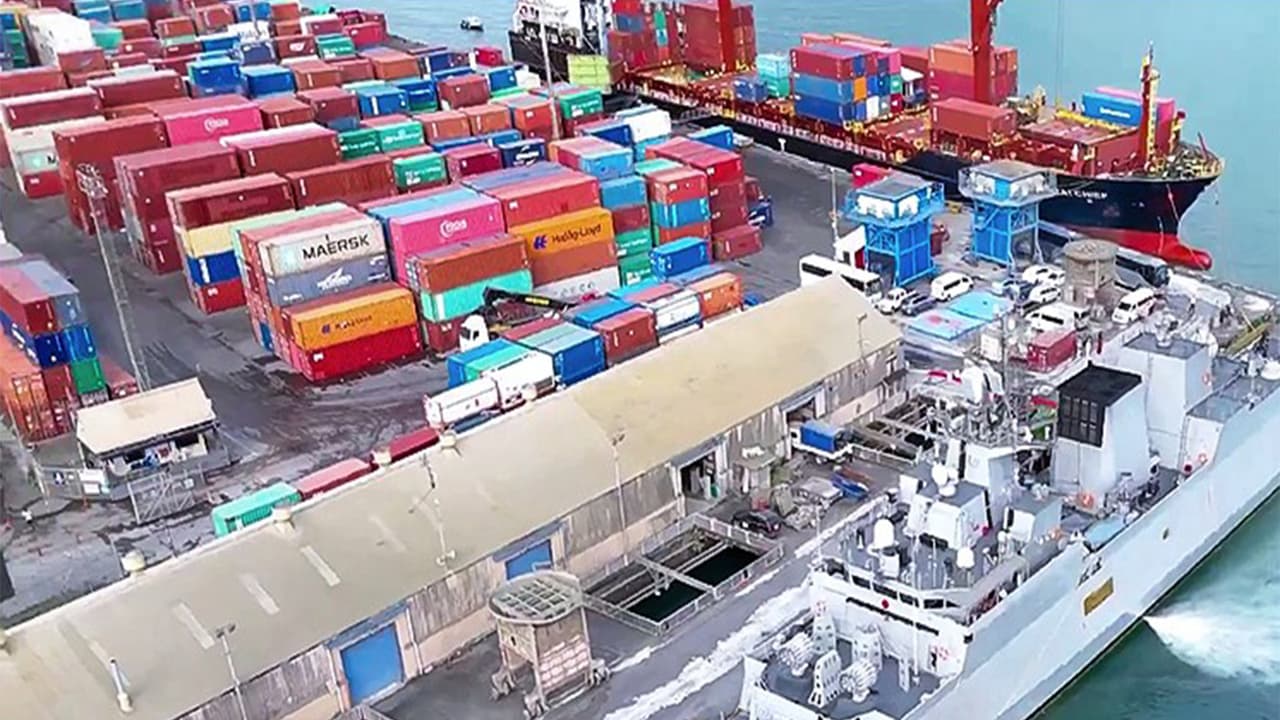
One source said officials are concerned that some bulk imports may have been classified in a way that made them eligible for the lower tariff when, in the authorities’ view, they may not qualify. The dispute has also led to containers of imported Scotch being held at Indian ports. According to Reuters, Pernod Ricard and Diageo each have more than 40 containers held up at ports, while Bacardi has five containers on hold.
The companies have reportedly been unwilling to pay the higher 150 per cent duty, with prolonged delays potentially disrupting supplies. Around 80 per cent of Scotch whisky imports from Britain by volume arrive in bulk and are subsequently used to produce Indian-Made Foreign Liquor (IMFL), a category in which Scotch is blended with other spirits and ingredients.
Scotch exports to India totalled USD 335 million in 2024, while the Scotch Whisky Association has projected that the India-UK trade agreement could increase the value of the trade by USD 1.34 billion over five years. The industry has privately cautioned the government that the dispute risks undermining a market-access benefit negotiated under the India-UK trade agreement. The pact came into force on July 15, 2026, and the disagreement over the classification of bulk Scotch imports has emerged as a major issue in its implementation. (ANI)
(Except for the headline, this story has not been edited by Asianet Newsable English staff and is published from a syndicated feed.)