As US-Iran tensions escalate, President Trump is balancing military threats with diplomatic engagement with India. The US is reinforcing its partnership with India, a key ally reliant on energy imports through the Strait of Hormuz. Discussions focus on strategic cooperation and regional security as India monitors the crisis.
As tensions with Iran escalate ahead of a critical Strait of Hormuz deadline, US President Donald Trump is simultaneously navigating a complex diplomatic calendar that includes growing engagement with India. The White House schedule reflects a delicate balancing act between military brinkmanship in the Middle East and strategic diplomacy with New Delhi.
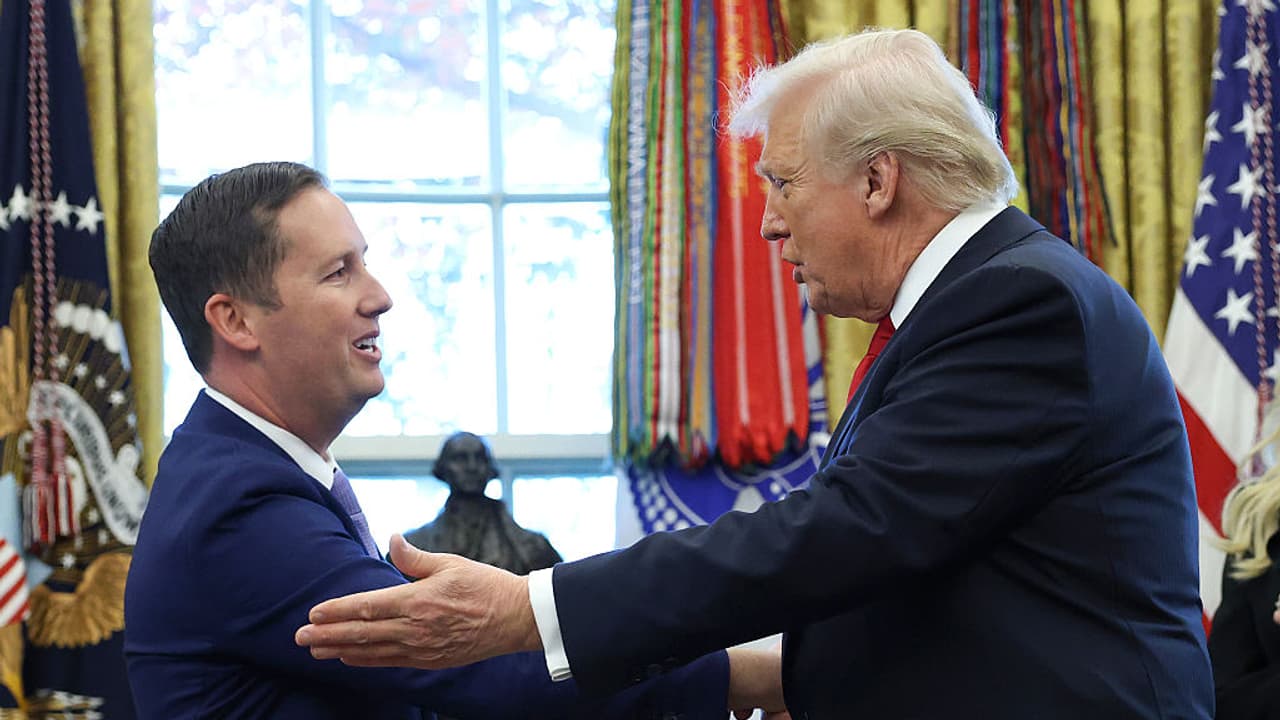
At the centre of India-US engagement is Sergio Gor, a close Trump ally and current US ambassador to India, who has been actively shaping bilateral interactions. His presence underscores the importance Washington is placing on ties with India even as the Iran situation dominates global headlines.
Reports indicate that Trump remains “always happy to speak” with Indian Prime Minister Narendra Modi, highlighting the ongoing communication between the two leaders during this volatile period. The focus of these discussions is not only trade and strategic cooperation but also the broader geopolitical implications of the Iran crisis, particularly the security of energy routes like the Strait of Hormuz.
The White House schedule also included key meetings and social engagements, including a high-profile dinner hosted by Sergio Gor. These interactions are seen as part of a broader effort to strengthen diplomatic ties and maintain alignment with India, a key partner in the Indo-Pacific and beyond. While such events may appear routine, they carry added significance against the backdrop of rising global uncertainty.
Also Read: As Iran’s Military Facilities Burn, India’s Swadeshi FF Bot Offers Blueprint For Airbase Survival
Meanwhile, Trump’s rhetoric on Iran has remained sharply escalatory. He has warned that failure to meet US demands could lead to swift and devastating military action, including threats that Iran could be “taken out in one night.” These statements have heightened concerns about a potential conflict that could disrupt global oil supplies and destabilise the region further.
India, which relies heavily on energy imports passing through the Strait of Hormuz, is closely monitoring developments. Any disruption could have direct economic consequences, making diplomatic coordination between Washington and New Delhi even more critical. The parallel focus on diplomacy and deterrence highlights the interconnected nature of global geopolitics, where regional conflicts can have far-reaching impacts.
Despite the rising tensions, the continued dialogue between Trump and Indian leadership suggests that both nations are keen to maintain strategic cooperation. The involvement of figures like Sergio Gor further signals Washington’s intent to keep India engaged as a key partner during this uncertain period.
As the deadline approaches, Trump’s dual approach — projecting military strength toward Iran while reinforcing diplomatic ties with India — illustrates the high-stakes environment shaping US foreign policy. The coming days are expected to test both strategies, with outcomes likely to influence not only regional stability but also broader international alliances.
Also Read: Foreign Secretary Vikram Misri to visit US to review bilateral ties