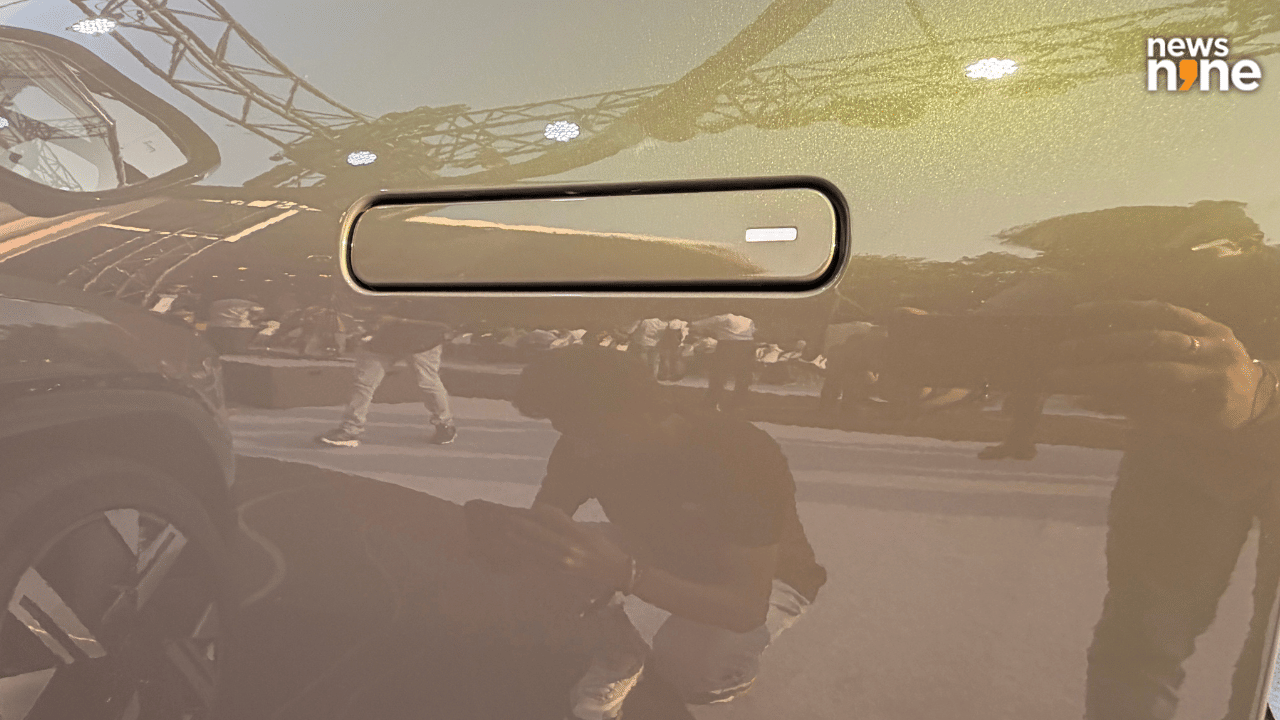
New Delhi: China has become the first country to ban the concealed door handles on electric vehicles, according to reports from Bloomberg. The implementation of the safety regulation could influence automotive design across the world. The Ministry of Industry and Information Technology announced that all cars sold in China need to come with a mechanical release both on the outside and inside, as reported by Bloomberg.
The ruling will take effect from January 1st, 2027, with models already in final approval stages given until January 2029 to comply with the ruling.
The ban targets the thin, flush door handle design made popular by Tesla, which has faced a lot of regulatory scrutiny worldwide after quite a few fatal incidents. Bloomberg noted that the crackdown comes after two high-profile crashes which involved cars from Xiaomi Corp. electric vehicles in China. In the incidents, the power failures have been suspected of preventing doors from opening, leading to occupants being trapped inside burning vehicles.
How China’s flush door handles could influence globally
Bill Russo, founder of Shanghai-based consultancy, told Bloomberg that China wasn’t just the world’s biggest electric vehicle market, but also influencing the rules that govern upcoming automotive technologies. Further, acting early, Beijing is leveraging the scale if their domestic market to set safety standards that apply to both local and international carmakers. In some time, the regulations will go beyond China through EV exports, owing to the influence it has over the global automobile norms.
China Daily also reported that about 60 per cent of the top 100 selling new-energy vehicles in April came with concealed door handles. The redesign will impact luxury models in particular, including BMW’s iX3, vehicles from Chinese manufacturers Nio, Li Auto, and Xpeng and Tesla Model Y and Model 3.

Traditional doors in EVs cause drag, which can affect power range by some measures
The new policy is quite specific and states that the exterior doors must have a recessed space measuring about 6 cm by 2 cm, and interiors need signage not shorter than 1 cm by 0.7 cm, indicating emergency release procedures. Sources have told Bloomberg that the changes might cost $14.4 million per model.
Chinese automakers are already adjusting products for the upcoming regulations, and models like Geely Automobile Holdings’ Galaxy M9 and BYD’s Seal 06 have moved back to conventional, externally mounted door handles. The shift in stance highlights China’s increasing role in shaping automotive safety regulations worldwide. The country with both electric vehicle production and ADAS technologies is moving the country to how safety standards are being raised domestically and, in turn, beyond the borders of the country as well.