Canada today seems to be reaping what it sowed. For years, the country offered anti-India Khalistani organisations space and legitimacy under the banner of Freedom of Expression. Now, separatist politics is no longer something Canada watches from a distance, it is rising sharply within Canada itself. The fire that once targeted other nations is increasingly being felt at home.
Alberta: Oil, Anger and the Politics of Separation
The newest flashpoint is Alberta, Canada’s oil-rich province and the backbone of its energy economy. Alberta’s anger has been simmering for years, driven by a growing belief that Ottawa’s federal leadership is punishing the province through carbon taxes, climate regulations and pipeline restrictions. Many Albertans argue that they power Canada’s economy, yet federal decisions repeatedly work against their interests. That resentment is now turning into a political movement, calls for Alberta to stand as an “independent nation.”
A Domestic Crisis Turns Geopolitical
This is no longer just a domestic Canadian story. It has now entered the arena of geopolitics.
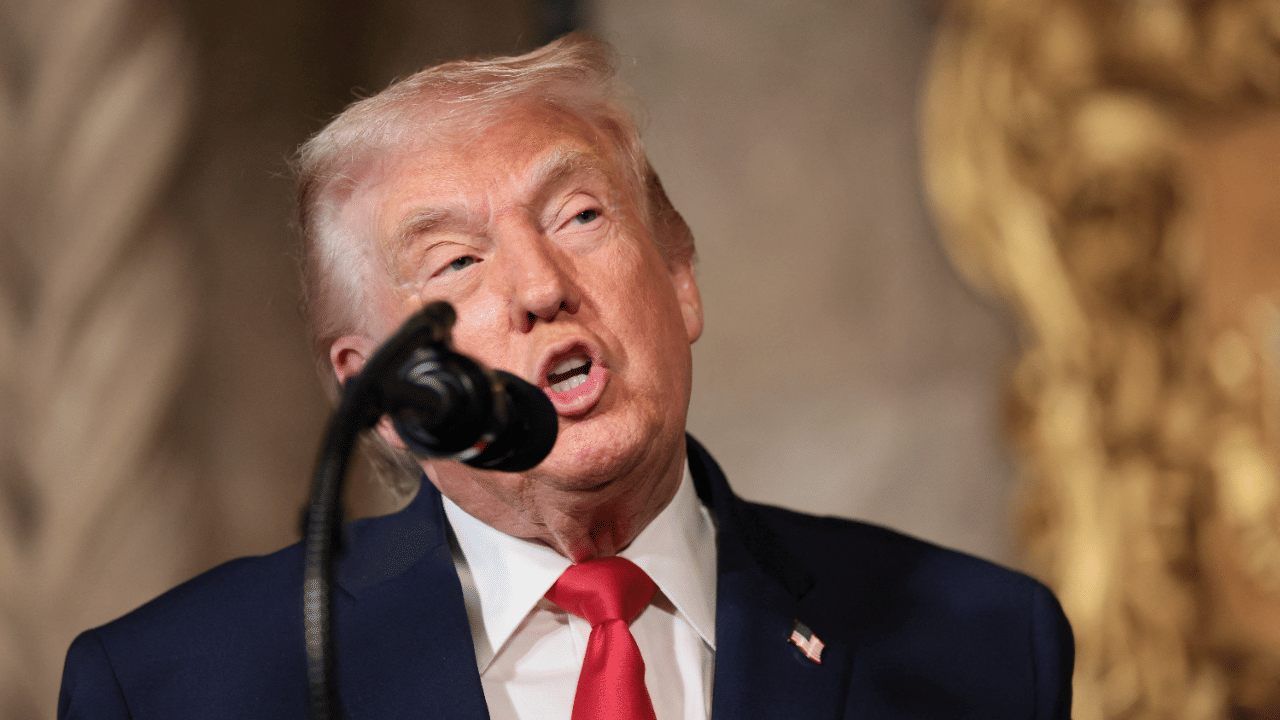
Reports of contacts between officials linked to the Trump administration and Alberta’s separatist groups subsequently acknowledged by the White House have triggered alarm in Ottawa. Washington has insisted that there were no discussions of financial support. Yet in international politics, influence does not always come in the form of cheques. Sometimes, engagement itself is the message. Dialogue grants recognition, and recognition brings legitimacy.
Quebec: The Old Fault Line That Could Reopen
Canada’s Prime Minister Mark Carney has issued a clear warning: Canada’s sovereignty must be respected. But the bigger question now being asked across Canadian political circles is far more unsettling is Trump moving beyond rhetorical provocations like “making Canada America’s 51st state,” and instead testing a more dangerous playbook: weakening Canada from within?And Alberta may not be the only fault line.
The second alarm bell is ringing in Quebec, where separatism is a long-established political force. Quebec’s French identity, distinct cultural roots and deep sense of nationhood have repeatedly pushed the province towards the edge of separation. For Quebec, the debate has never been about oil or taxes. It has always been about language, identity and cultural autonomy — questions that cut deeper than economics.
If separatism gathers momentum in both Alberta and Quebec, Canada may face more than a political headache. It could be staring at the most serious challenge to its national unity in decades.
The irony is hard to miss: Canada’s liberal shield of Freedom of Expression, once used to justify separatist platforms that targeted others, is now returning as Canada’s own internal storm.