New Delhi: India’s struggle with diabetes has been described in many ways over the years, but doctors at AIIMS Delhi say the situation has now entered far more dangerous territory. The country may already carry the unwelcome label of the world’s diabetes capital, yet a deeper worry is emerging: the number of people living with uncontrolled diabetes is climbing sharply, and with it, the risk of life-threatening complications.
Dr Manjunath Maruti Pol, Additional Professor in the Department of Surgery at AIIMS, explained that this uncontrolled form of the disease is quietly driving kidney failure, heart attacks, strokes, nerve damage and vision loss across the population. Out of the roughly 70 million Indians diagnosed with diabetes, he said, almost half are unable to keep their blood sugar in check despite medication and lifestyle changes.
Internationally, a healthy HbA1c level — the marker that reflects long-term blood glucose control — is set at 7. In India, the acceptable threshold is slightly higher at 7.5, which Dr Pol believes reflects the growing challenge. “When an individual’s HbA1c remains above 7.5 despite being on three or more medications, following diet advice and maintaining healthier habits for at least two years, we consider it uncontrolled diabetes,” he said. And with every upward nudge in HbA1c, the likelihood of organ damage accelerates.
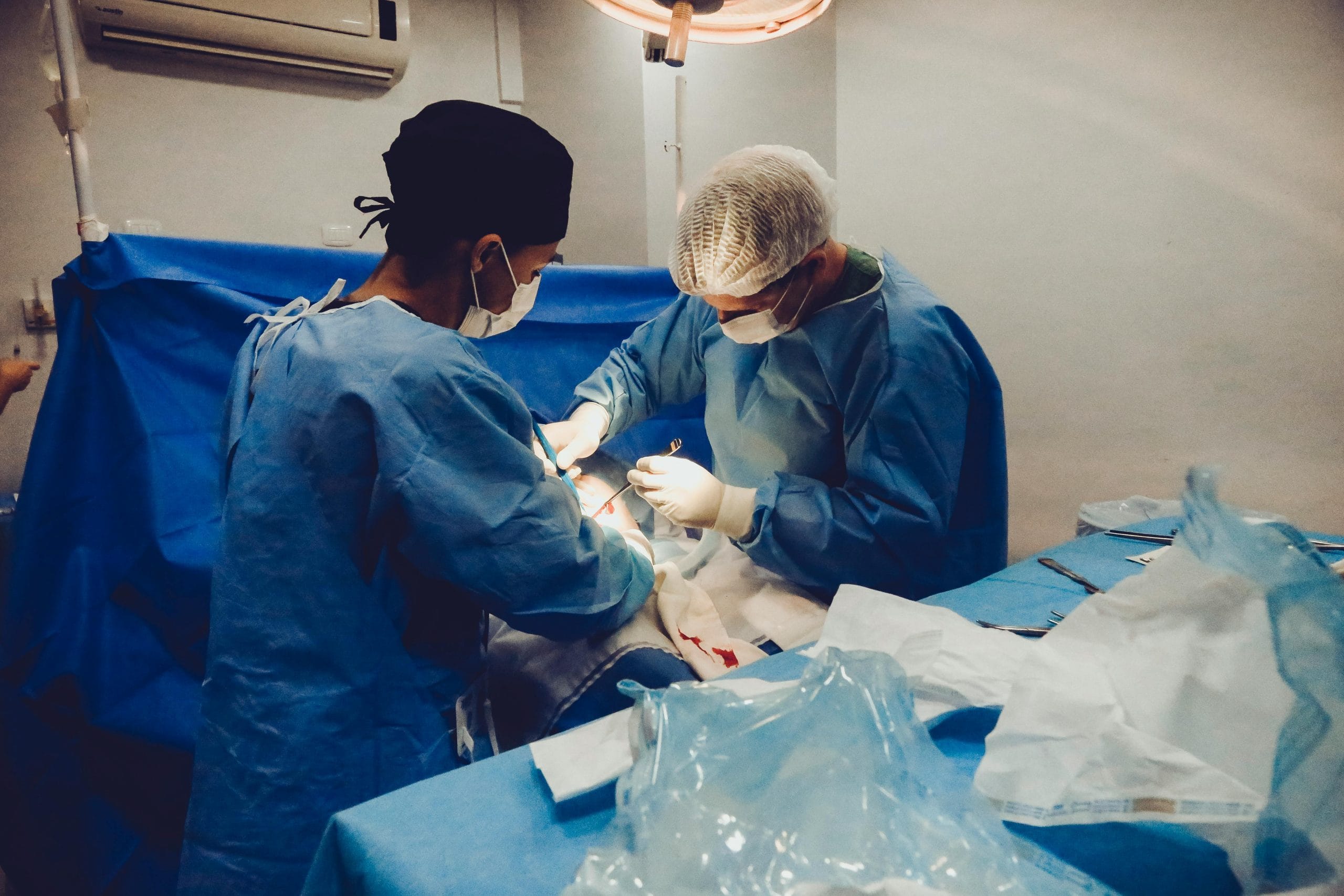
But the AIIMS team says there is a hopeful intervention many people still don’t know enough about: metabolic surgery. Once viewed as a procedure solely for weight loss, it is now an internationally recommended option for selected cases of Type-2 diabetes that fail to respond to conventional treatments. The International Diabetes Federation formally recognised surgery as a therapeutic approach in 2016.
The procedure, Dr Pol explained, does not involve the pancreas — unlike in Type-1 diabetes. Instead, surgeons work on the stomach and intestines. The stomach is reshaped into a narrower tube, and a section of the small intestine is directly connected to this new structure, allowing food to bypass the duodenum. This altered route triggers hormonal changes, particularly in GLP-1 and related gut hormones, which help regulate blood sugar in a more natural rhythm.
“It is this physiological release of hormones — in the right quantity and at the right time — that helps halt ongoing damage,” he said.
AIIMS has already carried out more than 100 such surgeries, roughly a third of them on people with uncontrolled diabetes. The results, Dr Pol noted, have been striking. “All of them are currently off diabetes medications,” he said. In many cases, blood sugar levels begin to normalise from the very first day after surgery, showing that the benefit isn’t merely linked to weight loss.
The surgery can be offered to adults between 18 and 65 years, and is performed either laparoscopically or with robotic assistance. The cost ranges from ₹3 lakh to ₹6 lakh, depending on the technique and the hospital setup. For Dr Pol, the message is clear: uncontrolled diabetes need not be a life sentence. With timely intervention and broader awareness, metabolic surgery could prevent the cascade of complications that is currently overwhelming so many Indian families.