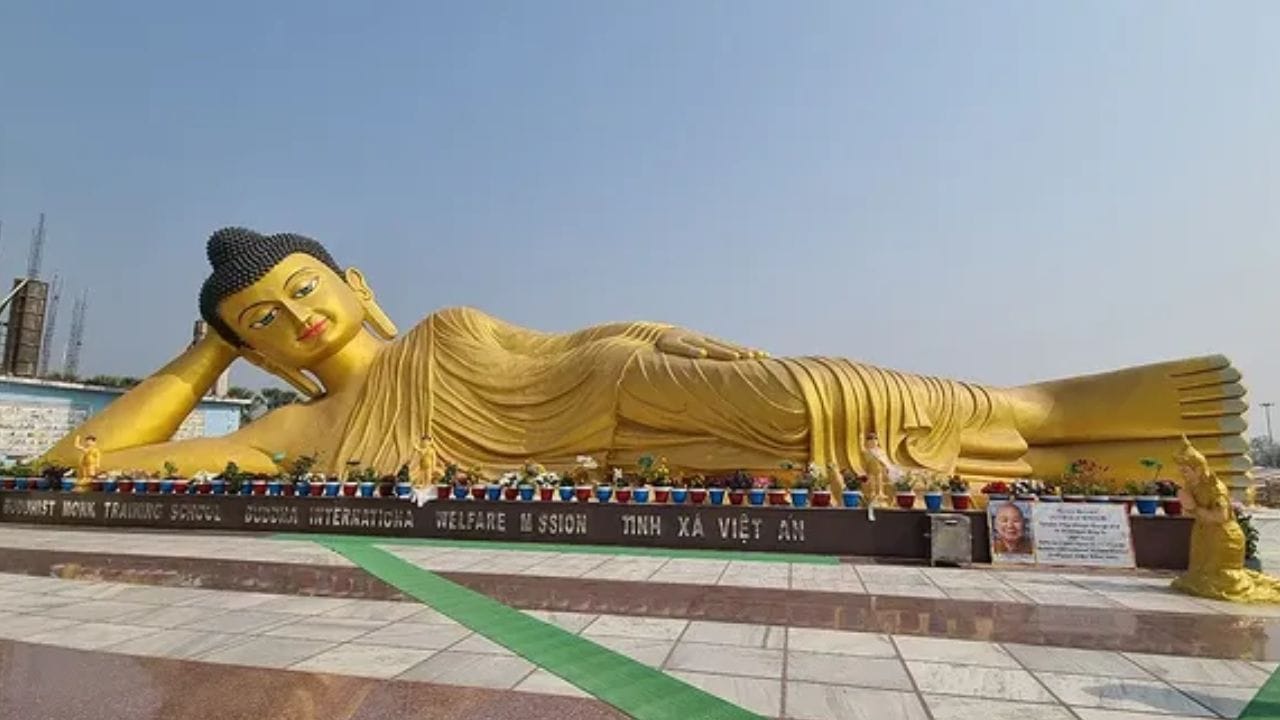
New Delhi: Buddha Purnima 2026 will be observed on Friday, May 1, marking the sacred birth anniversary of Gautama Buddha, the spiritual teacher whose ideas continue to guide millions towards a life of clarity and balance. This day is not only about his birth but is also widely associated with his enlightenment and Mahaparinirvana, making it one of the most spiritually layered occasions in the Buddhist calendar.
Buddha Purnima 2026 date and muhurat
According to the Hindu Panchang, the Purnima Tithi begins at 09:12 PM on April 30, 2026, and ends at 10:52 PM on May 1, 2026 (Delhi time). Since the full moon day holds prime importance, Buddha Purnima will be observed on May 1.
This full moon in the Vaishakha month carries a calm and reflective energy. It is considered ideal for silence, meditation and mindful actions rather than outward celebration.
Buddha Purnima historical and spiritual significance
Born as Siddhartha Gautama in Lumbini, Buddha renounced a life of comfort in search of truth. His journey led him to deep meditation under the Bodhi tree in Bodh Gaya, where he attained enlightenment. Later, he shared his teachings at Sarnath, laying the foundation of Dharma.
His teachings revolve around understanding suffering and learning how to rise above it through awareness, discipline and compassion. Buddha Purnima, therefore, is less about ritual and more about introspection. It quietly reminds people to examine their thoughts, actions and attachments.
Budhha Purnima puja vidhi and rituals
In a fast-moving world filled with constant noise, Buddha Purnima arrives as a pause. It does not ask for grand gestures. It asks for attention, patience and awareness. Even a small effort, such as speaking gently, helping someone without expectation or spending a few minutes in quiet reflection, aligns with the spirit of the day.
- The day begins early, often before sunrise.
- Devotees take a bath and wear simple, clean clothes, usually in white, symbolising purity.
- Homes and temples are kept calm and uncluttered.
- Idols or images of Buddha are gently bathed with water or milk, followed by offerings of flowers, incense and fruits.
- Lighting a diya or lamp holds symbolic meaning, representing the removal of ignorance.
- Meditation is central to the observance. Many spend time in silence, reading Buddhist texts or listening to teachings.
- Visiting sacred places like Kushinagar or local monasteries is also common, though the essence of the day lies in inner stillness rather than external activity.
The teachings of Gautama Buddha remain practical. They do not demand belief but invite observation. Buddha Purnima 2026 offers a simple reminder that peace is not found outside; it is cultivated within through steady and conscious living.