Rice is a common food in many homes, but it is often linked to weight gain. This is why many people look for healthier rice options. Brown rice and shirataki noodles (or shirataki rice) are two popular choices for those who want to lose weight, control blood sugar, or simply eat better.
While both are healthier than white rice, they offer very different benefits.
What exactly is shirataki noodles?
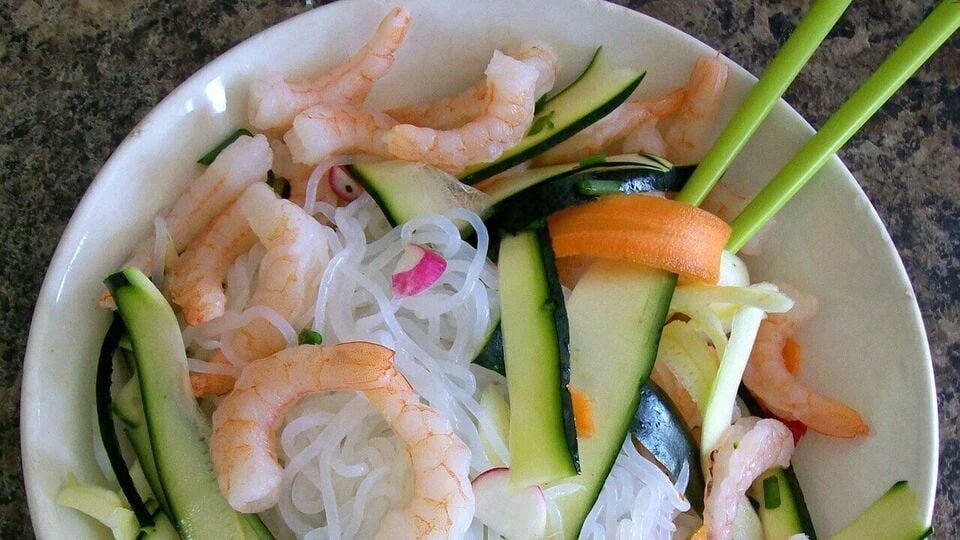
Shirataki noodles or rice are made from the root of the konjac plant. They contain a natural fiber called glucomannan, which absorbs water and makes you feel full. Shirataki noodles are translucent and have a soft, jelly-like texture. They do not have much taste, so they easily take on the flavor of other foods.
One of the biggest advantages of shirataki noodles is that they are extremely low in calories and carbohydrates. A half-cup contains only about 10 calories. Even though it is very low in calories, the fiber helps reduce hunger and keeps you feeling full for a longer period. Research shows that shirataki noodles may help with weight loss, improve blood sugar control for people with diabetes, and help lower bad cholesterol. However, it does not provide many vitamins or minerals, so it should not be the only food you eat, according to Healthline.
Why do many people choose brown rice?
Brown rice is a whole grain and is considered much healthier than white rice. It retains its outer layer, which contains fiber and important nutrients. One cup of cooked brown rice has around 218 calories, along with fiber, protein, and small amounts of healthy fats.
Because brown rice is rich in fiber, it digests slowly and helps keep blood sugar levels steady. Studies suggest that people who eat brown rice regularly may have a lower risk of developing type 2 diabetes. Brown rice also helps meet daily fiber needs, which supports digestion and overall health.
Calories vs nutrition: The real difference
Shirataki noodles are clearly the better choice if you want to cut calories quickly. Brown rice, however, provides more nutrients and energy. This makes brown rice a better option for regular meals and long-term healthy eating.
Which one is better for you?
Shirataki noodles are a good option for short-term weight loss and portion control. Brown rice is a better choice for everyday meals because it offers more nutrition. Both can be part of a healthy diet when eaten with vegetables, protein, and healthy fats.
FAQs
1. Is shirataki rice better than brown rice for weight loss?
Shirataki rice is better for short-term weight loss because it is extremely low in calories and carbs, helping with portion control. Brown rice supports slower, steady weight management due to its fiber and nutrients.
2. Can people with diabetes eat brown rice or shirataki rice?
Yes. Shirataki rice is very low in carbs and does not spike blood sugar levels, making it a suitable option for individuals with diabetes. Brown rice can also be eaten in moderation, as its fiber helps control blood sugar levels.