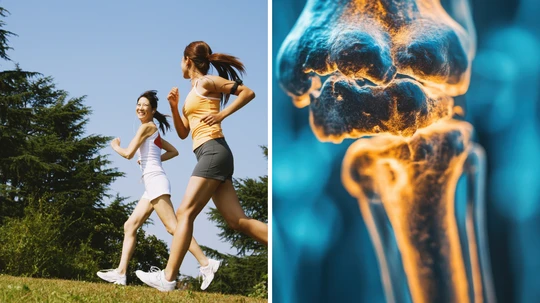
Strong bones help build the antagonistic backbone of an energetic, autonomous life. They are not spoken about until one encounters difficulties.
Women are more likely to suffer osteoporosis, which makes them weak and prone to fractures, and this experience is more prevalent in women beyond the age of 40 years. The good news? Osteoporosis can be prevented with due awareness and lifestyle choices.
Why Women Face a Higher Risk
The loss of bone density is naturally greater in women compared to men, and hormonal fluctuations, especially the reduction in estrogen in menopause, enhance bone loss. The bones can also be weakened in the long run due to pregnancy, breastfeeding, a sedentary lifestyle, nutritional deficiencies, and some medical conditions. Bone loss is a silent process, and thus many women are not aware that they are at risk unless they develop a fracture, making prevention important.
Nutrition: Growing Bones From Inside
Your food now determines how strong your bones will be tomorrow. Calcium has always been the bone powerhouse, buttressing bones and bone density. Dairy products, leafy greens, sesame seeds, almonds, and fortified foods are excellent sources of calcium. Another vitamin is vitamin D, which aids the body in absorbing calcium effectively. Frequent exposure to sunlight and food that contains vitamin D, such as eggs and fatty fish, is important. Sufficient amounts of protein, magnesium, and vitamin K can also restore and make the bones stronger.
Move More, Strengthen Bones
Movements are positive in order to make the bone stronger. Exercises that are weight-bearing (walking, jogging, dancing, and climbing up the stairs) enhance bone development. Bodyweight strength training, resistance bands, and lightweight strength training are effective in strengthening the bones, as well as balancing and improving muscle strength. Practices such as yoga and Pilates will provide additional support to posture and coordination to minimize the risk of falls, which cause most of the fractures among women.
The Facts of Living Style That Prevents Bone Dissolution
Even minor decisions will count. Smoking should be avoided because it disrupts calcium uptake and hastens bone loss. Too much caffeine and alcohol may also decrease the strength of bones with time, and hence moderation is the key. Overall wellness is a key component in the prevention process, as it enables the regulation of the hormone levels that control bone metabolism by prioritizing sleep and alleviating stress.
Early Detection and Frequent Valuations
It is not only a bone issue in old age, but it is also an investment in life. Proactive behavior should be taken, especially by women who have a family history of osteoporosis, early menopause, or nutritional deficiencies. Frequent health examinations, sharing bone health concerns with a health professional, and continuing to educate women enable them to take charge before the issues arise.
Fueling Future Stronger
It is true that osteoporosis is not uncommon. The well-being of the body, physical activity, and conscious lifestyle choices help more women to keep their bones alive and maintain mobility, confidence, and independence at an advanced age. As far as bone health is concerned, prevention is truly the key element.