The United Shiv Sena, along with the BJP, ruled the BMC for around 25 years – from 1997 to 2022. The elections, held after a gap of over three years, brought a sweeping change in the structure, only for Uddhav Thackeray, who is heading the Shiv Sena-UBT following the split of the party. The rival faction – Shiv Sena, led by Eknath Shinde – is a partner of the BJP now, and the two have bagged a decisive mandate to run the BMC.
According to the latest results and trends, the Mahayuti is leading/won 118 seats as of 3pm, four more than the majority mark in the 227-member house. Here are possible factors that led to the victory of the BJP-Shinde alliance:
1. Mazi Ladki Bahin Yojana: The Maharashtra government gives a financial aid of Rs 1,500 monthly to eligible women of the state. This scheme has had a significant impact on the assembly polls as well and the trickle-down impact continues to woo the voters.
2. Failed Polarisation: The Thackeray brothers, especially Raj Thackeray, are known for making anti-North Indian, anti-Hindi remarks. The BJP-Sena maintained a balanced line this time – wooing the Marathi pride while respecting the Hindi/Gujarati speakers. This created a positive impact for them.
3. Fractured MVA: The Maha Vikas Aghadi – a coalition of Congress, Shiv Sena UBT, and NCP-Sharad Pawar failed to reach an agreement for the BMC polls. Result, a complete humiliation and division of votes. The Congress fought the BMC polls with the VBA, while the NCP contested alone. This sent a wrong message to the opposition voters.
4. Political Opportunism: The Thackeray Brothers reunion was projected as political opportunism by the BJP as the two united after 20 years. The reunion was expected in 2012 after the demise of Bala Saheb Thackeray, but this happening right close to the polls appears to have alienated the core Shiv Sena-UBT voters.
5. Ruling Party Advantage: The Mahayuti contested the polls on the development plank and appears to have gained an advantage of being the ruling party. People often trust the ruling party in municipal polls in the hope of getting funds for the development work.
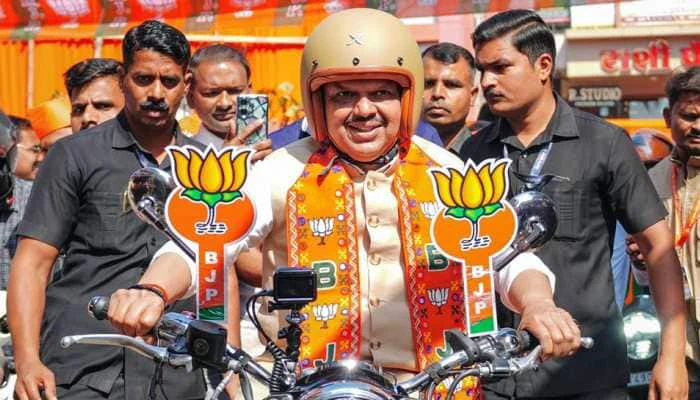
6. Campaign Trail: The BJPs strong organizational network and grassroots campaigning boosted its ability to translate public sentiment into votes, particularly in key wards. Notably, Chief Minister Devendra Fadnavis held around 37 rallies across Maharashtra, Dy CM Eknath Shinde 54, while Ajit Pawar did 25 rallies and Uddhav Thackeray-Raj Thackeray did only three joint rallies.
7. Vote Chori And SIR Issue: The vote chori allegations and oppositions remark against the Special Intensive Revision of the electoral roll failed to strike a chord with the voters. This appears to have hurt the Congress party in the majority of the seats.
The BMC is set to get a new mayor after three years. All eyes are now on CM Devendra Fadnavis and Dy CM Eknath Shinde, who will be meeting to decide the next course of action and mayoral face.