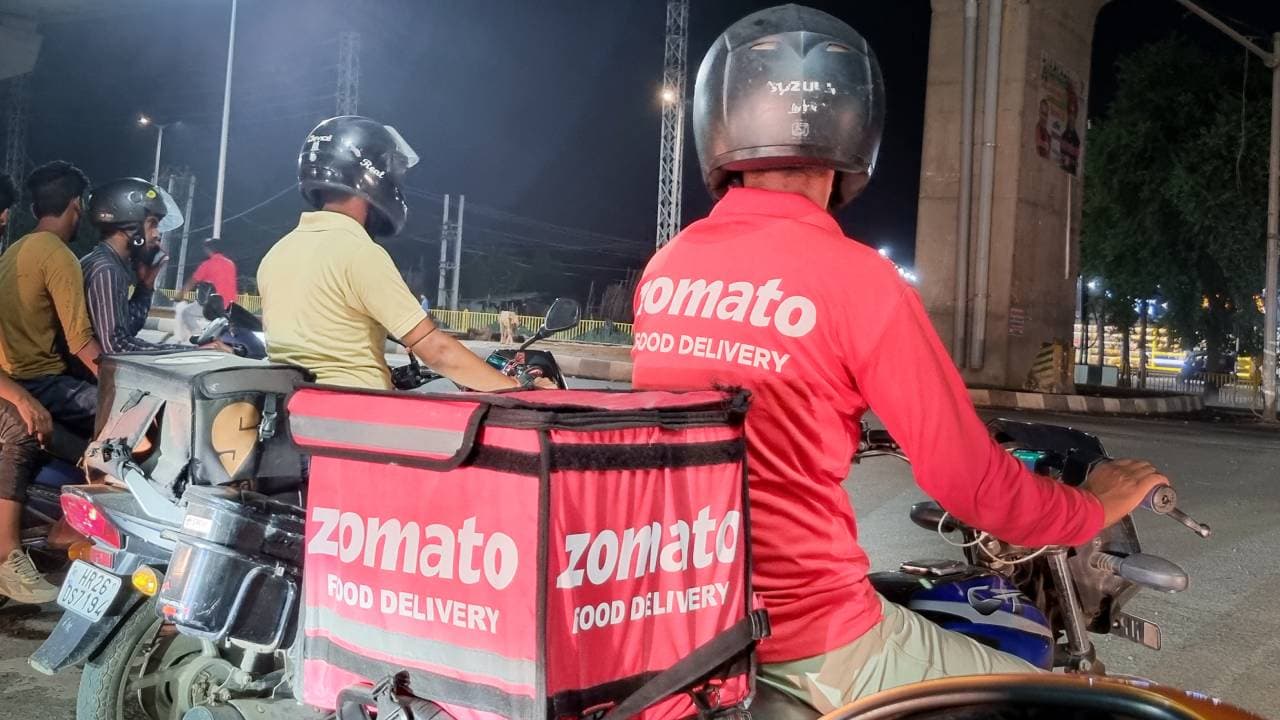
An American entrepreneur praised India’s quick-commerce services like Swiggy and Blinkit for their ultra-fast delivery, receiving an order in just six minutes. He contrasted this efficiency with slower services in the US, sparking a debate.
A fresh spark has entered India’s quick-commerce debate after an American entrepreneur publicly praised the country’s ultra-fast delivery culture, calling it unmatched anywhere else in the world. James Blunt, who frequently travels to India, said he was “blown away” when Swiggy and Blinkit delivered his order in just six minutes, a speed he says is unimaginable in the US.
‘Efficiency Gap Is Insane’: What the Entrepreneur Said
In a post on X, Blunt wrote, “Every time I visit India… the delivery speed is insane. You order something and it’s at your door in 6 MINUTES. Meanwhile in the U.S., an Uber Eats order routinely takes an hour. The efficiency gap is insane.”
Scroll to load tweet…
His comment resonated widely, quickly crossing over a lakh views and triggering discussions about what enables India’s delivery ecosystem to move so fast.
Social Media Weighs In: Labour, Density & Operations
Many users jumped into the thread with their own explanations some impressed, others critical.
One user pointed to the availability of cheap labour and flexible regulations, writing:
“Insanely cheap, readily available labor… Also, this holds only in big cities.”
Another user, praising Blinkit’s model, wrote that the company has fulfilment centres every 1–2 miles with dedicated delivery teams of 10–20 people: “They can’t be late even if they wanted to.”
A third user attributed the pace to cloud kitchens, local warehouses, and low infrastructure costs that help companies operate within tight delivery zones.
A Growing Political Debate: Speed vs Worker Safety
The praise comes even as policymakers question whether ultra-fast delivery models are putting gig workers at risk.
AAP leader Raghav Chadha recently demanded a ban on 10-minute delivery services, calling the model “cruel” and warning that riders face extreme pressure, unsafe driving conditions, and unrealistic timelines.
His remarks have reignited conversations about whether speed should come at the cost of worker well-being.
A System Built on Convenience But at What Cost?
While India continues to win global admiration for its lightning-fast delivery culture, the discussion around worker rights, sustainability, and operational pressure is now louder than ever.