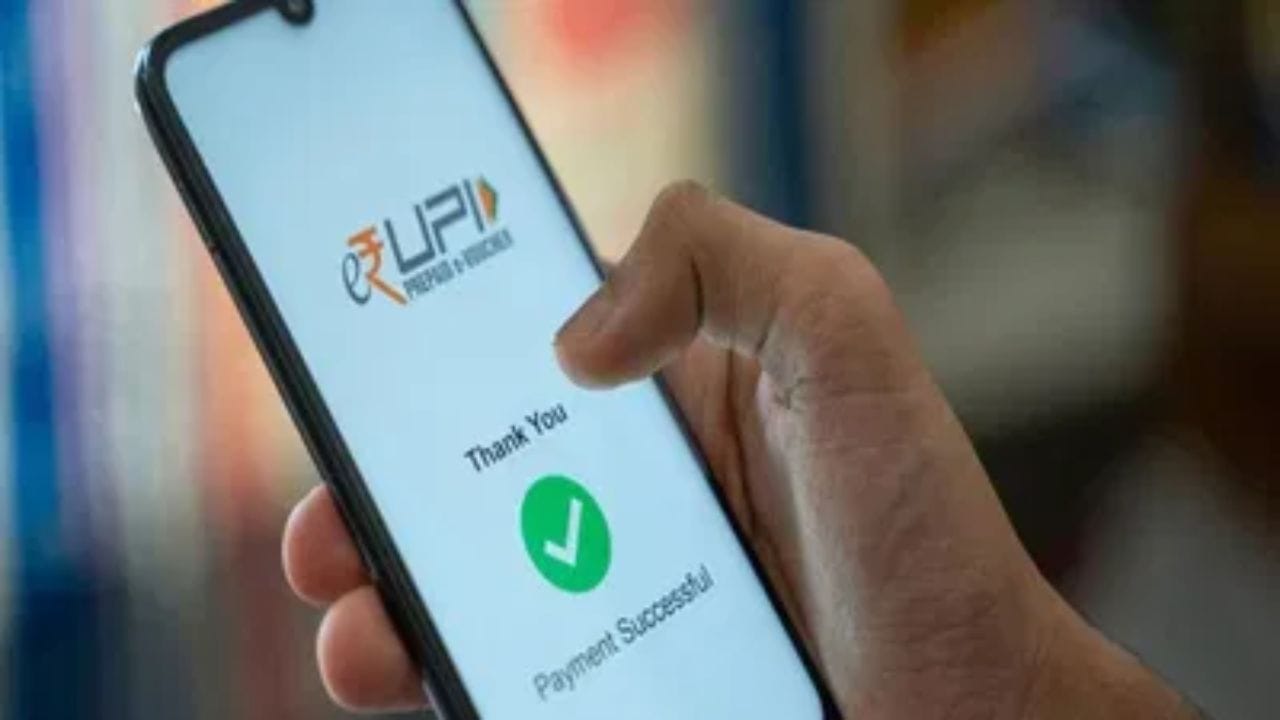
UPI transaction
According to a report released by the Finance Ministry on Monday, UPI has emerged as the most preferred mode of transaction, overtaking cash transactions, and there is a need to intervene to promote the use of RuPay debit cards, especially in rural and semi-urban areas. According to the Finance Ministry report, UPI has emerged as the most preferred medium of transactions, whose share is 57 percent, which is more than cash transactions (38 percent). The main reason for this is the ease of use and the ability to make instant fund transfers. The report also states that digital payments now dominate daily transaction behavior, with 65 percent of UPI users making multiple digital transactions every day. The use of digital payments is increasing across all socio-economic classes.
Report released in contemplation camp
The report titled “Socio-Economic Impact Analysis of Incentive Scheme to Promote RuPay Debit Card and Low Value BHIM-UPI (Person-to-Merchant) Transactions” was released during the Chintan Shivir organized by the Department of Financial Services (DFS) on 13-14 February 2026. The analysis was conducted on 10,378 respondents (including 6,167 users, 2,199 Based on an extensive primary survey and secondary research involving 2,012 merchants and service providers, the assessment shows that there has been significant and sustained growth in the adoption of digital payments across various socio-economic classes.
Need to promote RuPay Debit Card
The report also highlights the need to provide incentives to strengthen the use of RuPay debit cards, especially in rural and semi-urban areas. The Finance Ministry said in a statement that the recommendations include targeted merchant empowerment programs, promotion of low-value transactions through solutions like UPI Lite, and continued investment in connectivity, digital literacy and reducing the risk of fraud.
Government spent Rs 8,200 crore on incentives
The government provided incentives worth Rs 8,276 crore to support the expansion of RuPay debit cards and low-value UPI transactions between FY 2022 and FY 2025, the report said. This allocation included Rs 1,389 crore in FY 2022, Rs 2,210 crore in FY 2023, Rs 3,631 crore in FY 2024 and Rs 1,046 crore in FY 2025.