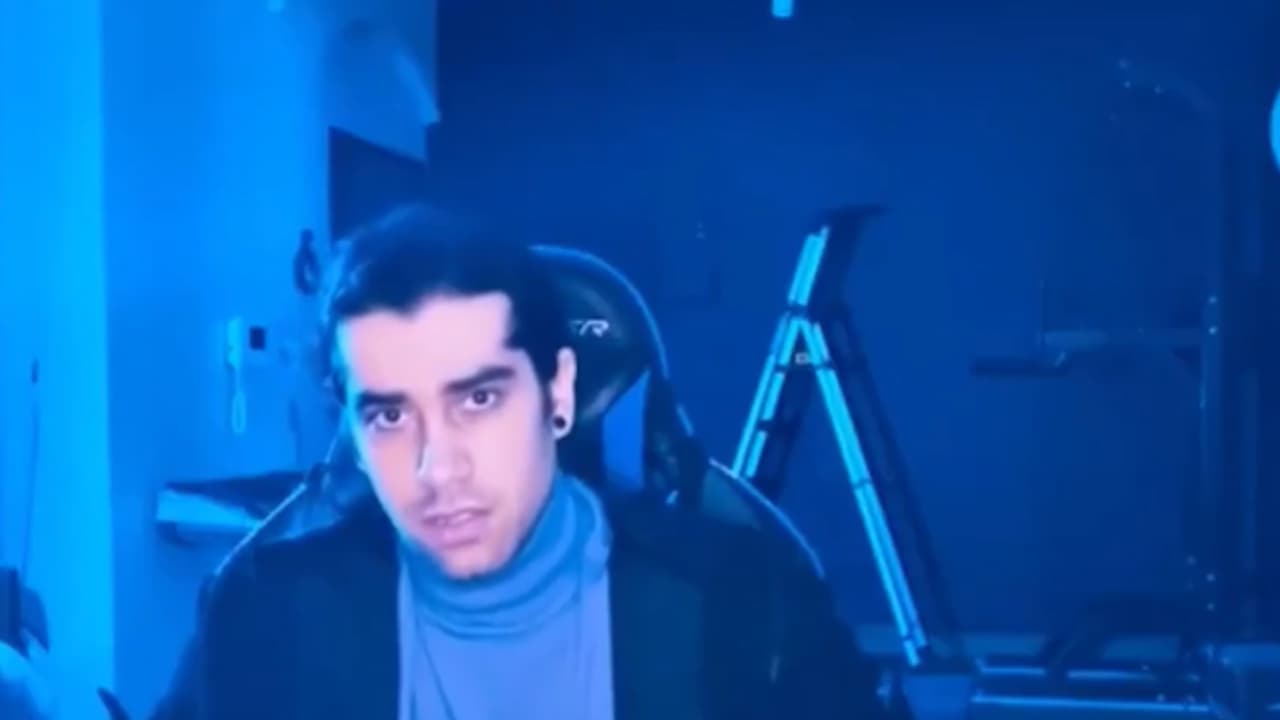
In February 2026, an Iranian man named Pouria Hamidi committed suicide after making a video appeal to Western leaders. He appealed to US President Trump not to negotiate with the Iranian government.
In early February 2026, a tragic event occurred amid the ongoing political turmoil in Iran. An Iranian man reportedly committed suicide after making a video appeal to US President Donald Trump and Western leaders. Opposition media and regional outlets identified the man as Pouria Hamidi, a resident of the southern port city of Bushehr, who recorded a nearly ten-minute message in English shortly before his death.
In the video, Hamidi directly addressed Trump and Western governments and pleaded with them not to negotiate or compromise with Iran’s ruling establishment, which he held responsible for large-scale repression and bloodshed.
“If you are watching this, it means I am no longer in this world,” she said at the beginning of the recording, showing her frustration and disappointment. He claimed that the Iranian government was responsible for more than 40,000 deaths in Iran, more than the number of casualties in other recent global conflicts. He described any diplomatic talks as a betrayal of those who died in the protests.
Scroll to load tweet…
Hamidi’s message also reflects the deep despair of many Iranians, who feel isolated amid increasing internal repression and changing international equations. “Do everything you can to stop this deal,” she told leaders, stressing that external pressure is necessary to stop the carnage being carried out by Tehran officials.
His death came as the protests that began in late December 2025 intensified and Iranian security forces were brutally suppressing them, continuing into 2026. Mass demonstrations over economic hardships, political grievances, and demands for independence were responded to with violence.
Verified footage and independent reporting show that security forces used live bullets on unarmed crowds in cities such as Tehran, Dezful and Amol, killing thousands and injuring many more. The government initially denied such actions, but later acknowledged the use of heavy weapons amid increasing unrest.
The crisis has also given rise to large-scale political repression. Prominent reformists and dissidents have been arrested, and critics of the government face harsh legal consequences if they participate in or support protests. Despite diplomatic overtures and talks between Iranian and US officials in recent months, Tehran has maintained a tight rein on internal dissent, while allowing limited dialogue with Washington on other issues.
Hamidi’s last move has been widely spread on social media and in international coverage, becoming a symbol of the frustration and despair being experienced by some Iranians. Although there is limited independent verification of some of the claims, including details of the video and the exact number of deaths, the incident highlights the humanitarian dimension of Iran’s crisis and the deep political and social fractures that remain there today.