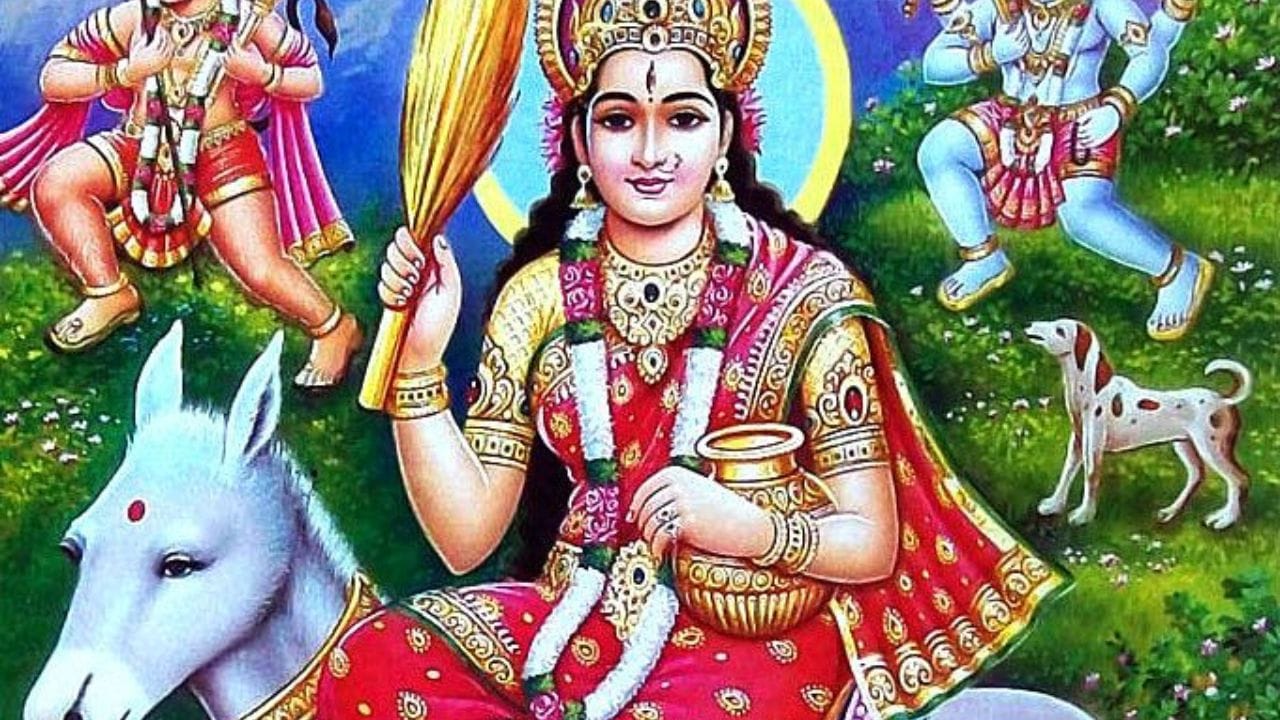
New Delhi: Basoda, also known as Sheetala Ashtami, is a traditional Hindu festival devoted to Goddess Sheetala. The festival holds special importance in many North Indian states, including Rajasthan, Uttar Pradesh, Gujarat, Madhya Pradesh, and Delhi. Devotees worship Goddess Sheetala on this day and seek protection from diseases, good health for their families, and overall well-being.
A common question many people ask every year is about the correct date of Basoda. In 2026, Basoda will be observed on Wednesday, 11 March 2026 in Delhi and most parts of North India.
Basoda 2026 Date and Tithi
According to the Hindu Panchang, Basoda, or Sheetala Ashtami, is observed on Krishna Paksha Ashtami, which falls after Holi. The festival is linked to the lunar calendar, so its exact date depends on whether the Ashtami Tithi is present at sunrise.
The important Panchang timings for Delhi are as follows:
Ashtami Tithi Begins: 01:54 AM on 11 March 2026
Ashtami Tithi Ends: 04:19 AM on 12 March 2026
Since the Ashtami Tithi is present at sunrise on 11 March 2026, Basoda will be celebrated on that day. This sunrise-based observance is common in most Hindu festivals.
Sheetala Ashtami 2026 Puja Muhurat
Devotees usually perform the puja during the daytime after sunrise.
Puja Muhurat: 06:36 AM to 06:27 PM
Total Duration: 11 hours 51 minutes
During this time, devotees offer prayers, perform rituals, and seek the blessings of Goddess Sheetala.
Why is Basoda Celebrated?
The festival is associated with Goddess Sheetala, who is regarded as the divine protector against infectious diseases. Traditionally, people believed that worshipping the Goddess protects families from illnesses such as smallpox, measles, and other skin-related infections.
The word “Sheetala” means calm, cool, or soothing. It represents the Goddess’s healing and protective nature. Devotees pray to her for good health, protection from diseases, and the safety of children.
In many households, mothers observe special prayers on this day for the long life and well-being of their children.
Basoda traditions and rituals
One of the most distinctive traditions of Basoda is the practice of offering stale food, known as Basoda or Basiyora, to Goddess Sheetala.
According to the custom, families prepare food a day earlier on Sheetala Saptami. The next day, on Sheetala Ashtami, the same food is offered to the Goddess and then consumed by the family.
Since Goddess Sheetala is associated with cooling and healing energy, devotees avoid lighting the kitchen fire on the day of Basoda. The absence of fresh cooking symbolises calmness and purity.
Typical Basoda offerings may include dishes such as puri, halwa, sweet rice, curd, and other traditional foods prepared the previous day.
Spiritual Meaning of Basoda
Beyond its rituals, Basoda carries a deeper spiritual message. The festival encourages people to maintain cleanliness, discipline, and hygiene in daily life. Historically, these practices helped communities remain cautious during times when infectious diseases were common.
The worship of Goddess Sheetala also reflects gratitude toward divine protection and natural healing forces. It reminds devotees that health and well-being are sacred blessings that must be respected and preserved.
(Written by: Tanya Singh, Astropatri.com. For feedback, please write to [email protected].)