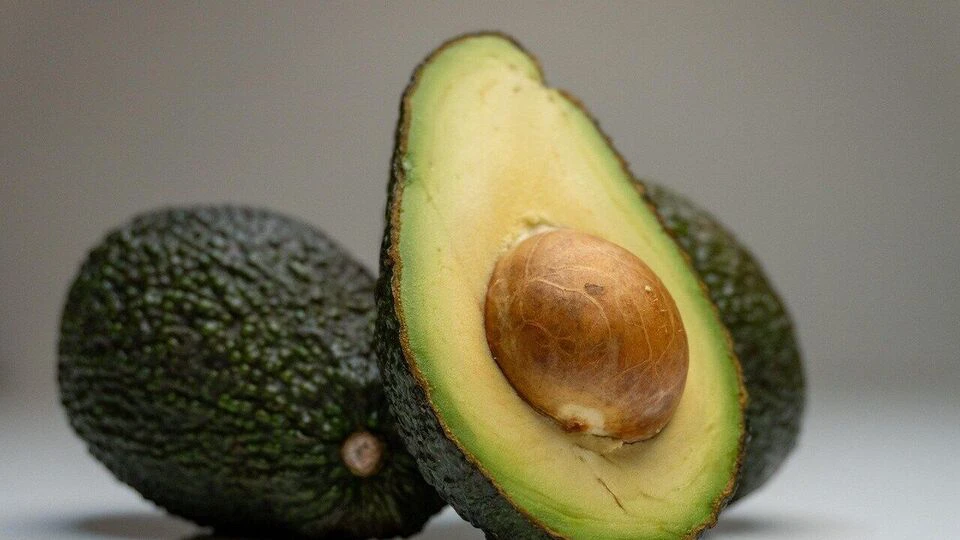
Ever tried the avocado seed tea? This intriguing infusion has been gaining significant attention among wellness enthusiasts and natural remedy seekers for a long time.
Typically, people enjoy consuming the creamy flesh of avocados and discard the large pit inside. The seed releases a mild, earthy flavor when steeped in hot water – it might be slightly bitter, but it is soothing and makes it a unique alternative to conventional herbal teas.
According to a study, avocado seeds are a rich source of lipids, proteins, vitamins, minerals, and bioactives. These possess diverse health benefits. Avocado seed extracts work as “antioxidant, anti-microbial, anticancer, anti-obesity, anti-inflammation, anti-diabetes, and anti-neurogenerative”.
Avocado seed tea: How to make it?
Ingredients: Fresh avocado seed; 3-4 cups of water; and honey, lemon, or other natural sweetener for taste (optional).
1. Prepare the seed: Remove the seed from the avocado and remove any remaining flesh over it. Dry it and keep it for a few minutes.
2. Chop: Peel the brown skin off the avocado seed using a knife. Later, chop it into small pieces.
3. Boiling: Take a pot and fill it with three to four cups of water. Place the chopped avocado seed pieces into it. Once the water starts boiling, reduce the heat and simmer it for 20 minutes.
4. Strain: Use a strainer to pour the liquid into a cup and leave the seed pieces. For taste, you can add honey or other natural sweeteners.
Avocado seed tea: Health benefits
The avocado seed is considered a major source of carbs, fatty acids, minerals, protein, and vitamins, according to Health.com.
Studies suggest that carbs make up about 65% of its dry weight, while protein ranges from 2.64% to 23%, and fatty acids are 1.1% to 1.6%.
Avocado seeds contain antioxidants such as flavonoids and phenolics. These help in protecting from cell damage that could reduce disease risk. Additionally, these compounds offer other benefits, including reducing inflammation and lowering cholesterol levels in the body.
Meanwhile, the California Avocado Commission highlights several compounds in avocado seeds that might be unsafe to consume. Among these are cyanogenic glycosides, tannins, and trypsin inhibitors. Being antinutrients, these compounds lower our body’s ability to absorb minerals and vitamins.