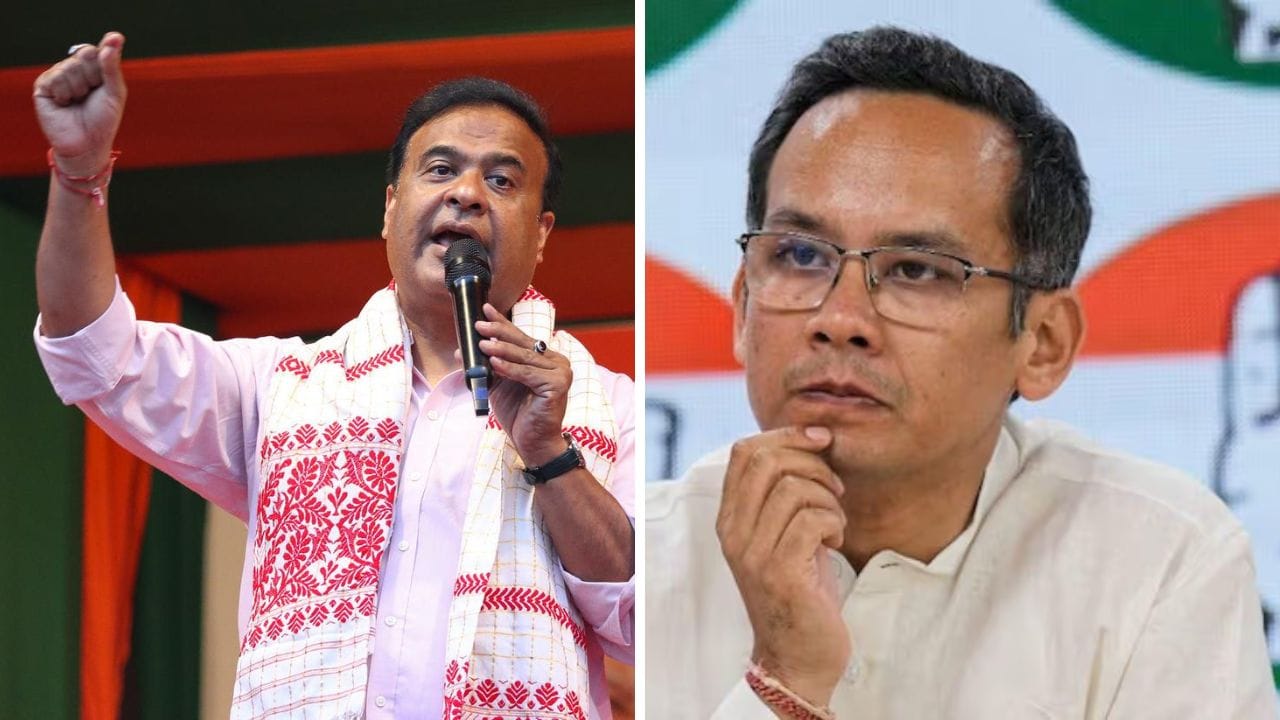
New Delhi: Chief Minister Himanta Biswa Sarma on Tuesday (February 10) filed a defamation suit seeking Rs 500 crore in damages against three Congress leaders, including Jorhat MP Gaurav Gogoi. The move comes as the state prepares for elections to its 126-member Assembly, expected by April. With Assam’s Assembly elections edging closer, the contest between the two main rivals—the BJP and the Congress—is no longer confined to rallies and speeches. It is now spilling into police stations and courtrooms, taking legal overtures over political potshots.
Today, I have filed a defamation case seeking ₹500 crore in damages against Congress leaders Jitendra Singh, Bhupesh Baghel and Gaurav Gogoi for making false, malicious and defamatory allegations against me through a press conference. https://t.co/a9iLcghHiR
— Himanta Biswa Sarma (@himantabiswa) February 10, 2026
Legal heat ahead of the polls, both ways
Almost at the same time, two Congress MLAs approached the police with a complaint against the Chief Minister over a controversial AI-generated video that had circulated online before being deleted.
Taken together, the developments show how sharply the campaign atmosphere has escalated, with both sides increasingly turning to legal action as political rhetoric intensifies.
The defamation suit
Sarma announced his decision on social media, saying he had initiated action against Congress leaders Jitendra Singh, Bhupesh Baghel and Gaurav Gogoi for what he called “false, malicious and defamatory” remarks made at a press conference.
He did not spell out the exact allegations that triggered the suit. However, on February 4, he had signalled that both civil and criminal proceedings were being prepared not only against the trio but also against Debabrata Saikia, the Congress Legislature Party leader.
In his posts, the Chief Minister said he would not be deterred by what he described as propaganda or coordinated slander andenged his opponents to substantiate their claims in court.
The size of the claim (Rs 500 crore) is notable, though in defamation cases such figures often serve to signal intent as much as to seek compensation.
The AI video controversy
Even as the lawsuit was announced, Congress MLAs Sibamoni Bora and Diganta Barman filed a complaint at Dispur police station in Guwahati over an AI-generated video allegedly showing the Chief Minister symbolically firing at Muslims at close range.
The video, since deleted, had earlier been shared by the BJP’s Assam unit on social media.
According to the complaint, the clip carried phrases such as “foreigner-free Assam”, “No mercy”, and remarks asking why some people had not “gone to Pakistan”. The MLAs argued that these messages targeted Bengal-origin Muslims in Assam, who are sometimes derogatorily labelled as “Miyas” or Bangladeshis.
Their complaint described the content as provocative and communal, warning that it could disturb social harmony. They urged police to act under relevant penal provisions.
Campaigns in digital age: Politics in the era of screenshots
The episode points to a changing campaign landscape, where social media posts, short clips and AI-generated material can shape narratives as quickly as traditional speeches. What begins online can quickly find its way into legal scrutiny.
With weeks to go before polling, the lines between political messaging and legal action appear increasingly blurred. The campaign in Assam is now being fought not only on public platforms, but also through petitions, notices and complaints.
For voters, the volume of claims and counterclaims is rising. Whether that sharpens choices or simply deepens divisions is something only the ballot box will settle.