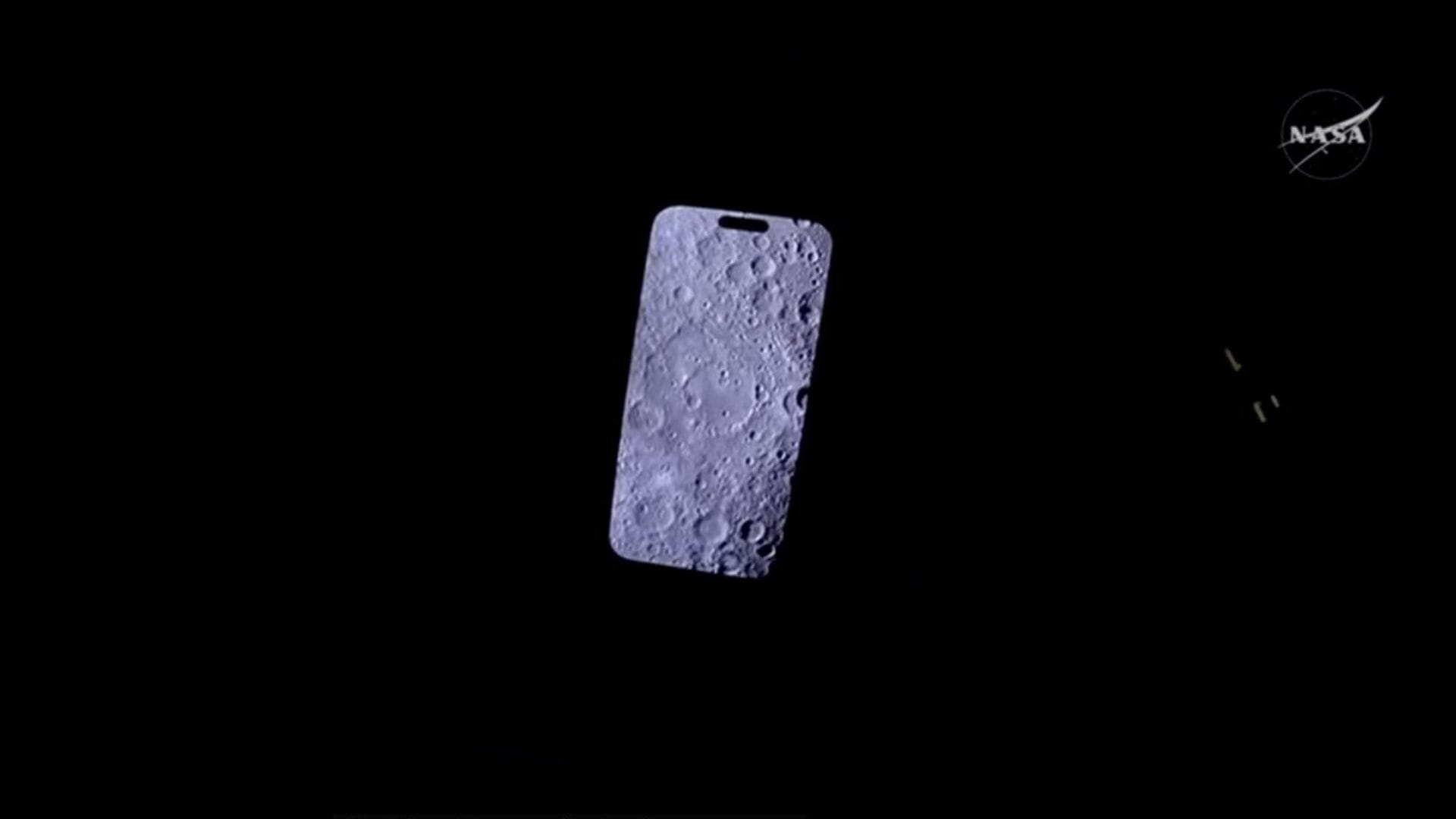
New Delhi: The Artemis II crew consisting of Commander Reid Wiseman, Pilot Victor Glover, Mission Specialists Christina Koch and Jeremy Hansen have completed an eventful seven-hour long lunar flyby. This was the most exciting and dynamic phase of the of the Mission, and the first time since Apollo 17 in 1972 that humans have witnessed and captured images of the lunar far side. At the start of the day, the crew surpassed the human spaceflight distance record set by Apollo 13 in 1970. The crew marked the occasion by proposing names for two fresh impact craters on the lunar surface.
The crew then went into an anticipated communications blackout, with the crew approaching within 6545 km of the lunar surface, setting the new maximum distance record for human spaceflight at 406771 km. The crew took turns in pairs, photographing the Moon and observing five blocks of targets, meticulously planned by a dedicated team whose job is to maximise the science returns from the mission. The crew also captured extensive voice notes of their observations, describing impact craters, ancient lava flows, as well as ridges and cracks on the surface. The blackout was between an Earthset as Orion passed over the far side, and an Earthrise as it emerged.
Meteoroid Impacts
After the communications blackout and the ending of the lunar observation period, the crew witnessed a solar eclipse from the Moon for the first time. The Sun passed behind the Moon for nearly an hour, with the corona, or outer atmosphere of the Sun being revealed as our host star passed over the horizon. During the eclipse, the crew reported six light flashes created by meteoroids impacting the lunar surface. The images and voice notes are expected to be relayed to Earth in the days ahead. Finally, after the lunar flyby and on their way home, the crew interacted with US President Donald Trump.