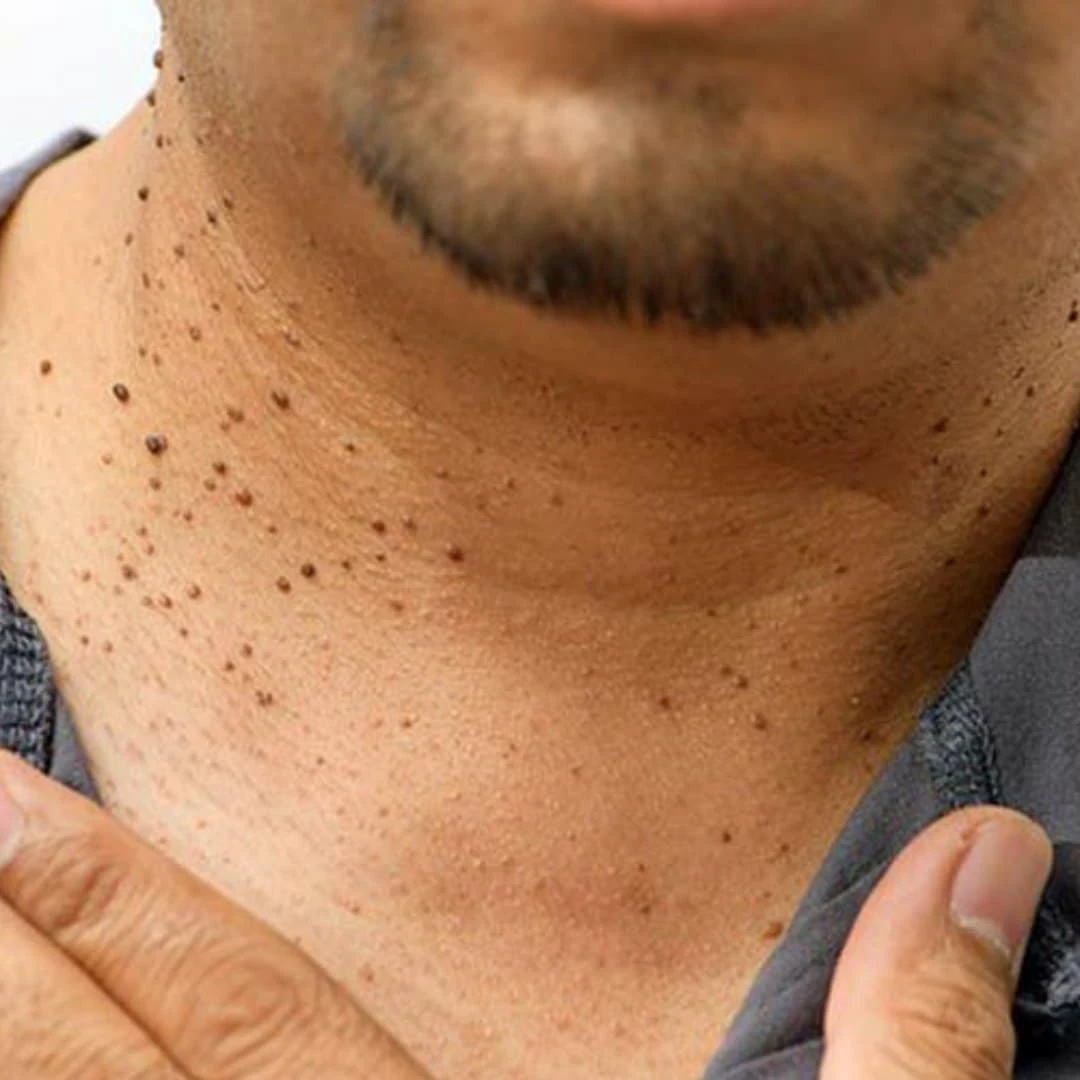
Skin tags, medically known as acrochordons, are small, benign skin growths that typically appear on areas of the body where skin rubs against skin or clothing, such as the neck, armpits, eyelids, or groin.
They often look like small, soft bumps that may be flesh-coloured or slightly darker. While the exact cause of skin tags isn’t fully understood, they are primarily attributed to a combination of factors, including friction, genetics, weight gain, or hormonal changes. The prevalence of skin tags also increases with age. Skin tags are typically harmless and not dangerous. They are benign growths and do not usually cause pain or discomfort. However, Dr. Prashant Katakol, a neurosurgeon with over 33 years of experience in neuroscience, warns that skin tags could be an early sign of .
Skin tags and insulin resistance: What’s the link?
“Have you noticed small soft growth around your neck or under your arms? These are not birthmarks. They are called skin tags. When skin tags start appearing in groin folds, upper chest, and underarm, it can be an early sign of insulin resistance,” Dr. Katakol said in an Instagram video.
Research also suggests that skin tags can sometimes be associated with insulin resistance, which is a condition where the body’s cells become less responsive to insulin. This can lead to higher insulin levels in the blood, and some studies have found a correlation between the presence of skin tags and insulin resistance. The exact mechanism behind this link isn’t completely understood, but it can be due to:
- Growth factors: High levels of insulin in the blood can activate Insulin-like Growth Factor 1 (IGF-1) receptors.
- Cell proliferation: This stimulation causes skin cells (keratinocytes) and fibrous tissue (fibroblasts) to multiply at an increased rate, leading to the formation of skin tags.
- Correlation: Research shows that individuals with numerous skin tags are significantly more likely to have higher fasting blood sugar and elevated insulin levels compared to those without them.
“Insulin resistance is related to conditions such as PCOS, fatty liver, type 2 , obesity, and hormonal imbalances in your body. What most people don’t realise is that insulin resistance begins years before the blood report becomes abnormal. These skin changes don’t mean you already have a disease every time. It certainly is an early sign by the body asking you to take care of its health. The good news is that with the right lifestyle changes, insulin sensitivity can be increased, and this can be reversed,” he explained.
Understanding insulin resistance
Insulin resistance occurs when the body’s cells fail to respond effectively to insulin, a hormone that helps regulate blood sugar levels. As a result, the pancreas produces more insulin to compensate, leading to higher levels of insulin in the bloodstream.
Several factors contribute to insulin resistance, including:
- Excess body fat, particularly around the abdomen
- Lack of exercise
- Poor diet
- Genetics
- Hormonal disorders
If left uncontrolled, insulin resistance can lead to serious health issues, including:
- Type 2 diabetes: Chronic insulin resistance can progress to type 2 diabetes, where blood sugar levels become difficult to manage.
- Heart disease: Insulin resistance is linked to an increased risk of cardiovascular diseases.
- Metabolic syndrome: This cluster of conditions, which includes high blood pressure, high blood sugar, excess body fat around the waist, and abnormal cholesterol levels, increases the risk of heart disease and diabetes.
Adopting a healthier diet, increasing physical activity, maintaining a healthy weight, and, if necessary, medication can help improve insulin sensitivity.