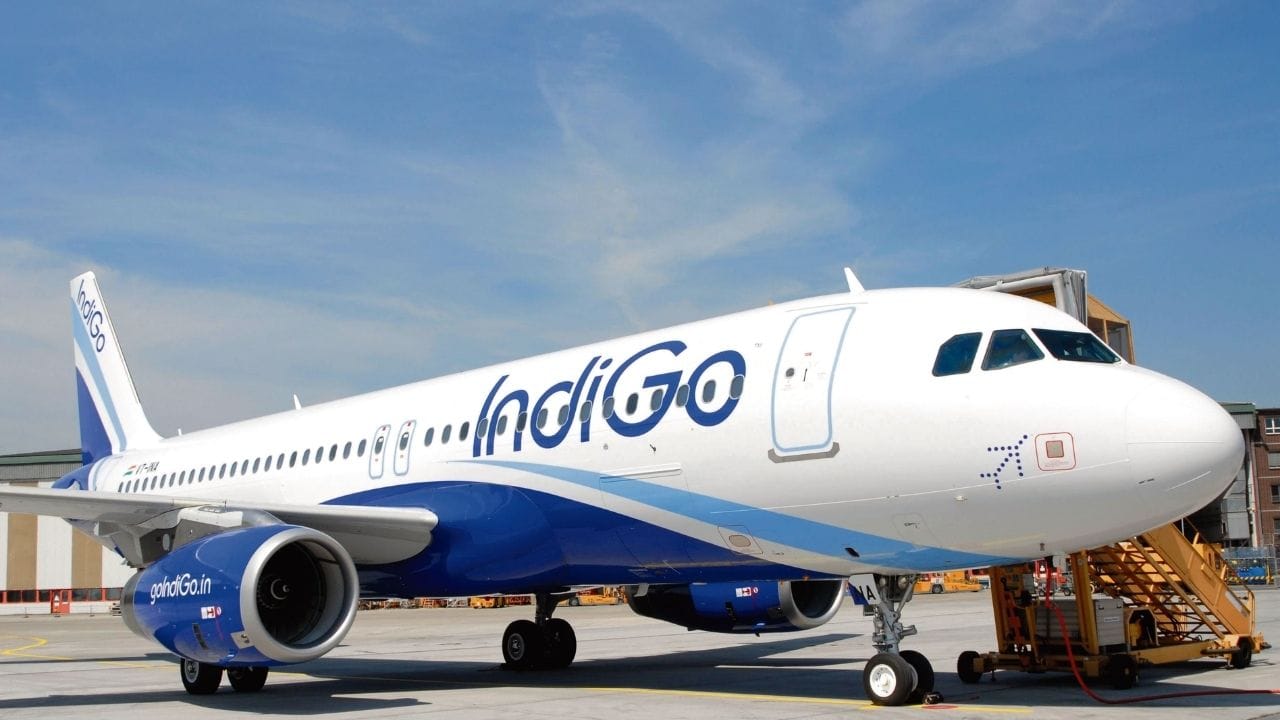
The Competition Commission of India (CCI) on Wednesday ordered a detailed investigation against the country’s largest airline IndiGo over the cancellation of thousands of flights in December due to operational glitches. In this order issued about two months after the incident, CCI said that by canceling a large number of flights, IndiGo withdrew a significant part of its scheduled capacity from the market, thereby creating a situation of artificial shortage and limiting passengers’ access to air travel during peak demand. The Commission said that such conduct on the part of a dominant company can be seen as restricting the supply of services under Section 4(2)(b)(i) of the Competition Act. Section four of the Competition Act deals with abuse of dominant position in the market.
2,507 flights were canceled
CCI said that prima facie this conduct of IndiGo appears to have an adverse effect on competition in India. In view of this, the Commission has given instructions to its Director General for a detailed investigation of the matter. The Commission also said in its order that IndiGo had to face large-scale operational disruptions in early December. After this, the Directorate General of Civil Aviation (DGCA) had reduced the airline’s winter flight schedule by 10 percent till February 10. According to CCI, between December 3 and 5, 2,507 IndiGo flights were canceled while 1,852 flights were delayed. During this period, more than three lakh passengers were affected at airports across the country.
was fined
The order said that by canceling thousands of flights equivalent to a significant portion of the scheduled capacity, IndiGo effectively withheld its service from the market, creating artificial shortage and limiting consumers’ access to air travel at peak times of demand. On January 17, the DGCA imposed a total fine of Rs 22.20 crore for the flight disruptions in December and also warned CEO Peter Elbers and two other senior officials for negligence. It also directed the airline to furnish a bank guarantee of Rs 50 crore to ensure long-term systemic reforms.