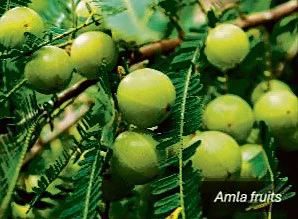
In an age when most shelves overflow with costly health supplements and capsules promising instant vitality, the real secret to wellness may just as well be sitting quietly in our kitchens.
Instead of gulping down tablets, simple and time-tested remedies like amla, the Indian gooseberry, offer natural solutions that blend tradition, taste and nutrition.
One can prepare wholesome recipes such as the ‘amlaprash’ with just a few everyday ingredients.
Amla, the Indian gooseberry long revered in Ayurvedic traditions, is finding new lease of life, not just as a health tonic, but as a catalyst for rural entrepreneurship.
Punjab Agricultural University’s (PAU) Krishi Vigyan Kendra experts Rajinder Kaur and Pardeep Kumar are championing the revival of ‘amlaprash’, a nutrient-rich and immunity boosting preparation made from fresh amla, jaggery, desi ghee and traditional spices. Their simple recipe, designed for daily wellness, is also a blueprint for self-reliance.
“In a market flooded with expensive supplements, ‘amlaprash’ offers purity, affordability and tradition,” says Rajinder Kaur, adding that it isn’t just about health, but about livelihoods.
As consumer interest in natural products surges, farmers and women-led self-help groups across Punjab are embracing amla-based products. From candies and pickles to powders and juices, the fruit’s versatility is opening doors for small-scale processing and local branding. And ‘amlaprash’, a rich and glossy blend deeply rooted in cultural memory, is emerging as a flagship product.
Sharing the preparation method, Rajinder Kaur said that making ‘amlaprash’ is straightforward: Steam and de-seed fresh amla, cook it with ghee and jaggery, infuse cardamom, cinnamon, pepper and cloves, and finish with a touch of honey.
Stored in glass jars, it becomes a daily ritual, a teaspoon each morning serves as a spoonful of resilience.
“Beyond its nutritional value, ‘amlaprash’ is becoming a symbol of sustainable enterprise. With minimal investment and high consumer appeal, it offers young entrepreneurs and grassroots groups a chance to build income while preserving heritage,” added Pardeep Kumar.
“When we make ‘amlaprash’ at home, it feels like we are preserving our grandmothers’ wisdom. Each jar we sell supports our family and also keeps our traditions alive,” said a woman entrepreneur from Samrala.
“Amla is our strength. By turning it into amlaprash, we give people health and ourselves hope. It might be simple work, but brings dignity and income to our self-help group,” said a member of a women-led cooperative in Punjab.