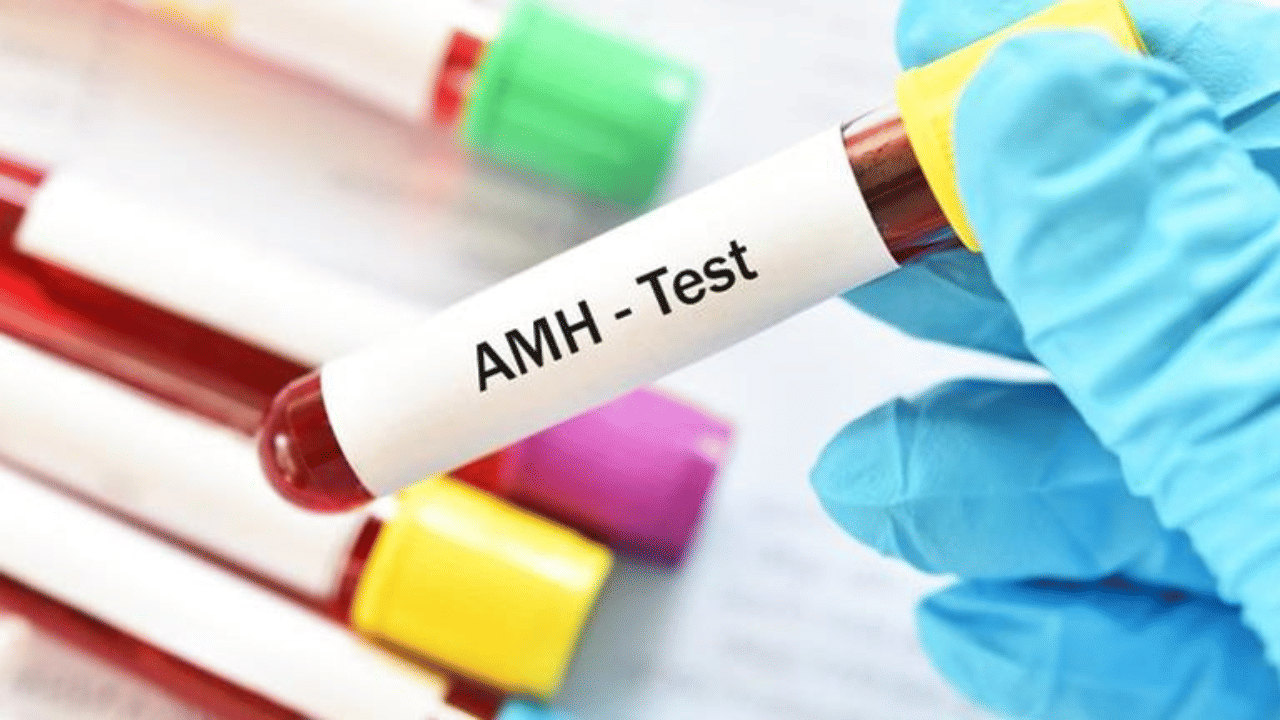
New Delhi: In recent years, fertility awareness has surged among Indian women, driven by delayed marriages, career ambitions, and rising PCOS rates affecting 10–13 percent of reproductive-aged women as per WHO statistics. Urban stressors like pollution, erratic schedules, and processed diets are silently depleting ovarian reserves earlier than ever, making proactive testing crucial. With motherhood often postponed to the 30s or beyond, tests like AMH offer a wake-up call which reveals egg quantity before it’s too late. This empowers timely decisions, from lifestyle tweaks to IVF planning, amid India’s growing infertility clinics. Early insights prevent heartbreak, especially for those with family history of early menopause or irregular cycles.
This blog decodes the AMH test, its science, necessity, and results interpretation for better fertility planning, with expert inputs from Dr. Jyotshna Palgamkar. “AMH is a game-changer; it quantifies your egg pool anytime in the cycle, guiding precise IVF strategies,” says Dr. Jyotshna Palgamkar, Fertility Specialist at Nova IVF Fertility, Virar, Mumbai. Get tested soon to map your reproductive future confidently.
What is AMH Test?
The AMH test measures Anti-Müllerian Hormone levels in your blood, a hormone produced by small growing follicles (antral follicles) in the ovaries, directly reflecting your ovarian reserve which is the pool of viable eggs left. Produced by granulosa cells in pre-antral and small antral follicles (up to 8mm), AMH peaks in the mid-20s and declines steadily with age, making it a key fertility biomarker. “AMH levels correlate strongly with antral follicle count, offering a quantitative view of egg supply without needing ultrasound timing,” notes Dr. Palgamkar.
Unlike FSH tests, which fluctuate daily, AMH remains stable throughout the menstrual cycle, allowing testing on any day. Normal ranges guide interpretation: 2.5-4.0 ng/mL for ages 25-30 signals good reserve, while under 1.0 ng/mL may indicate DOR, though it doesn’t assess egg quality or guarantee pregnancy odds. This simple blood test, often paired with FSH, LH, and ultrasound, provides a comprehensive fertility baseline for planning.
Why is AMH test necessary?
The AMH test is essential for women planning delayed pregnancies, facing conception delays, or managing conditions like PCOS, irregular cycles, endometriosis, or early menopause family history, as it predicts ovarian response to stimulation in IVF. Low AMH (<1 ng/mL) flags reduced egg numbers, shorter fertility windows, and higher risks in treatments, prompting earlier interventions like egg freezing. “In infertility evaluations, AMH helps pinpoint diminished reserve, tailoring age-specific plans without over-relying on one metric,” advises Dr. Palgamkar.
It’s particularly vital for those over 35, where reserve drops faster, or with risk factors like smoking/obesity, enabling proactive counseling on natural conception timelines versus assisted reproduction. High AMH (>4 ng/mL) might suggest PCOS with over-response risks in IVF, while normal levels reassure moderate potential. Overall, it shifts reactive care to strategic fertility mapping, boosting success rates through informed choices.
Doctor tips for maintaing a good AMH level
-
Maintain a balanced, antioxidant-rich diet with berries, leafy greens, turmeric, omega-3s from walnuts/flaxseeds/fatty fish, and healthy fats to combat ovarian oxidative stress and support follicle health. Aim for 2-3 liters of water daily for detoxification.
-
Achieve and sustain optimal BMI (18.5-24.9) through regular exercise like yoga or brisk walks, as excess weight disrupts hormones and lowers AMH.
-
Quit smoking, alcohol, and drugs immediately, as they accelerate egg depletion and inflammation. “Lifestyle toxins directly harm ovarian reserve, so cessation is the first step,” emphasizes Dr. Palgamkar.
-
Manage stress with meditation or adequate sleep (7-9 hours), and consider doctor-approved supplements like CoQ10 or vitamin D after testing deficiencies, to preserve egg quality indirectly.
-
Avoid processed foods, refined sugars, and endocrine disruptors in plastics to reduce inflammation and hormonal imbalance, prioritizing whole foods for sustained ovarian vitality.
AMH test empowers women with vital insights into ovarian reserve for smarter family planning. Follow Dr. Palgamkar’s guidance, adopt healthy habits, and consult experts promptly to boost fertility odds. Take charge of your reproductive health today for a confident tomorrow.