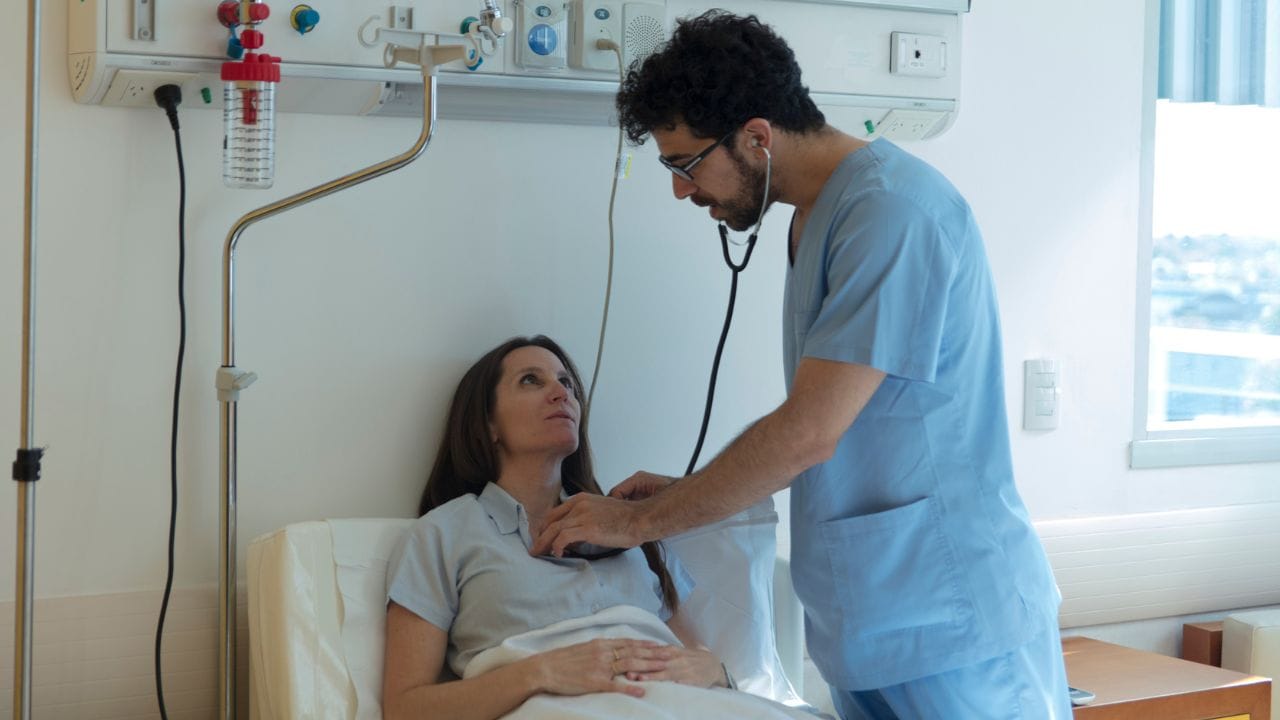
palliative careImage Credit source: Getty Images
A recent study by AIIMS has revealed the shocking fact that in India, about 96% of patients with serious or prolonged illness do not get palliative care. The study also revealed that palliative care facilities are limited only to big cities and some major hospitals. It is difficult to provide it in small towns and rural areas. Lack of information and facilities is also a major reason for not getting palliative care.
AIIMS According to the study, treatment and care measures that provide relief from pain, stress and mental distress to patients and their families are not available in most places. This study highlights the lack of palliative care in India and the need for improvement. First let us know what palliative care is.
Palliative care is a type of palliative care that provides comfort to patients with serious or prolonged illness. Its objective is not to cure the disease but to reduce pain, suffering and mental stress. It focuses on increasing the quality of life of the patient. Palliative care includes reducing pain, facilitating breathing, nutrition, mental and emotional support. It is provided by doctors, nurses and trained health workers together. It can be given at any time during the illness, not just for the last days. It is a part of everyday health services in many countries of the world. Palliative care can be given both in the hospital and at home.
Why do 96% of the patients in the country not get palliative care?
The main reason why palliative care facilities are not available is that it is not available equally everywhere. Palliative care facilities are available only in big cities and big hospitals, whereas small towns and rural areas lack trained staff and infrastructure. Moreover, palliative care is not given priority in the public health system.
Patients and their families also consider it to be a service only in the last days, whereas benefits can be availed in the beginning itself. Along with this, there are also obstacles in the availability of pain relieving medicines. Doctors and nurses do not get adequate training in this field. Due to lack of awareness, patients are not able to seek help at the right time.
What is the solution?
Providing special training to health workers in palliative care.
Establishing palliative care units in small towns and rural areas.
Simplifying the availability and prescription policy of pain-relieving drugs.
To educate the patient and family about the importance of palliative care and the available options.
Better integration of palliative care into the national health system.
What do experts say?
Dr. L. at Lady Hardinge Hospital. H. Ghotekar Explains that palliative care is not just a service for the last days. It should be given from the very beginning of the disease. Increasing the availability of training, awareness, and resources can provide better quality of life and comfort to patients. This may not cure the patients’ illness, but they can live with better health services in their last days.