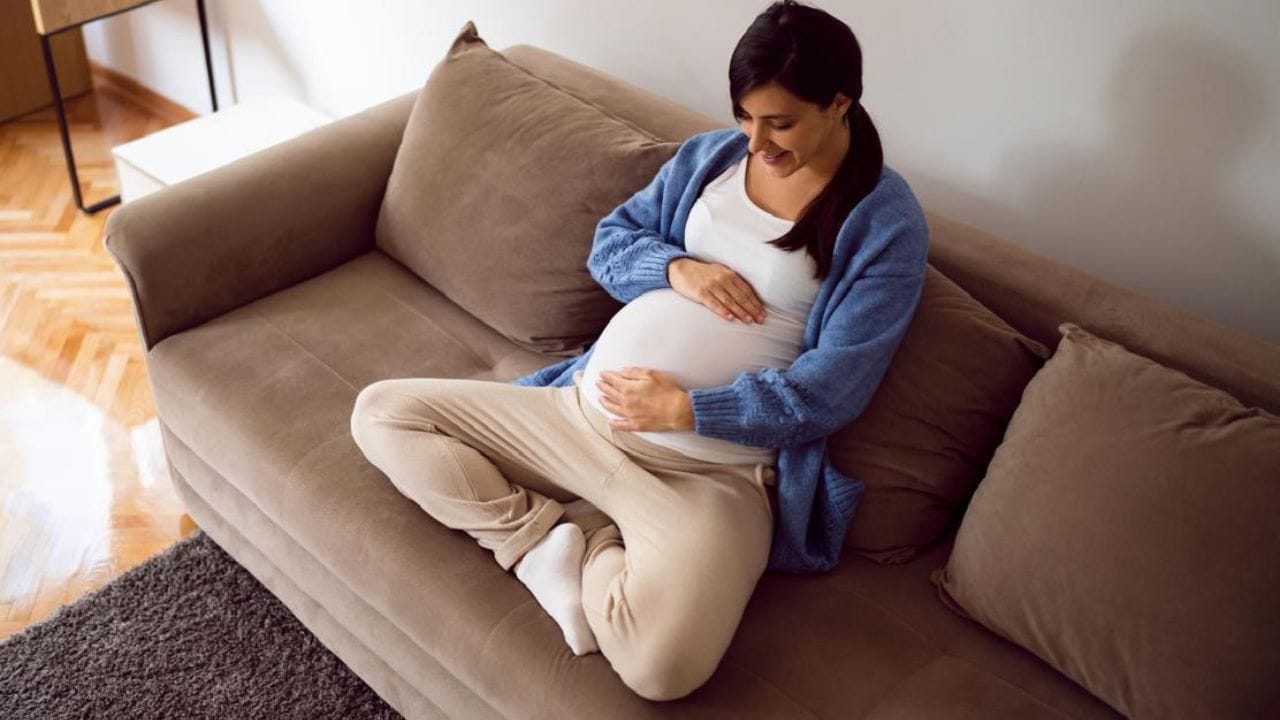
pregnancy planningImage Credit source: Getty Images
Women have many questions in their minds when planning a second child after the first pregnancy. After delivery, many changes occur in the body, which take time to recover from. During this period, aspects like hormonal balance, anemia, weight, sleep and mental state gradually become normal. If the mother is breast feeding, her nutritional needs also increase. Early pregnancy again can put more stress on the body, which increases the risk of fatigue, weakness and complications. At the same time, it is important to first strike a balance between the care of the child and the recovery of the mother.
Doctors also recommend that before planning a second child, factors like mother’s health, method of delivery and age should be kept in mind. Every woman’s recovery is different, so a fixed time does not apply to everyone. In such a situation, it becomes very important to know the correct gap, so that the health of both mother and child can be safe.
At what gap should one plan the second child after the first pregnancy?
Dr. Saloni Chadha, Associate Professor in the Department of Gynecology at RML Hospital. It is said that after the first delivery, generally a gap of 18 to 24 months is considered appropriate for the second child. During this period, the mother’s body completely recovers and the nutritional level improves. If the first delivery was through C-section, then this gap becomes even more important, so that the stitches and the uterus get enough time.
Keeping the gap too short can increase the risk of premature delivery, low birth weight baby and anemia in the mother. At the same time, too much gap can also cause problems in some cases. Therefore, keeping in mind the age, health related problems faced during the first pregnancy and current health, it is better to decide the right time only after consulting the doctor.
Why is this gap important?
Keeping a sufficient gap between the first and second pregnancies gives the mother’s body time to replenish the lost nutrients. This reduces the risk of anemia, weakness and infection. Keeping the correct gap strengthens the uterus and pelvic muscles, which makes the next pregnancy safe.
Apart from this, full attention can be given to the care and breast feeding of the first child. The mother also feels better mentally, which makes the experience of the second pregnancy more healthy and positive.
What things should be kept in mind?
Keep in mind the method of delivery, whether it is normal or C-section.
Be sure to understand the mother’s age and current health condition.
Do not ignore anemia or any other nutritional deficiency.
Consult your doctor regularly and get necessary tests done on time.
Prepare yourself mentally and physically for the second pregnancy.