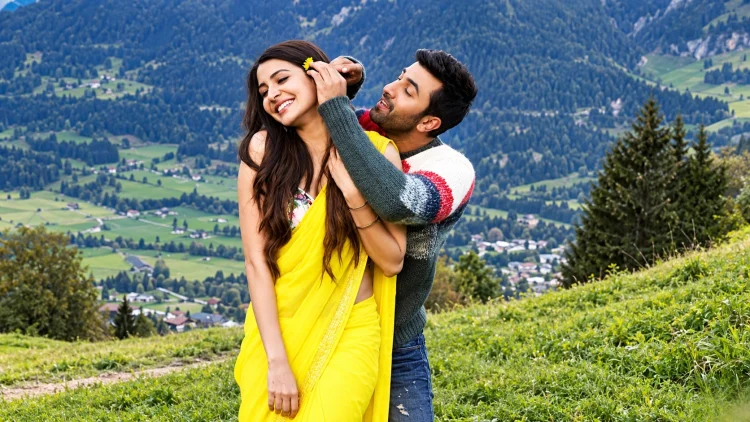
Ae Dil Hai Mushkil holds a special place in filmmaker Karan Johar’s career, and its 10th anniversary has given him an opportunity to revisit the emotions behind the romantic drama. Released on October 28, 2016, the film drew inspiration from his personal experiences with love, longing and heartbreak. Marking the milestone on social media, Johar shared a video montage featuring Ranbir Kapoor, Anushka Sharma and Aishwarya Rai Bachchan, reflecting on the ideas that shaped the story. He described the film as an exploration of one-sided love and the feelings that can remain powerful even when affection is not returned. Despite the mixed reactions the film received, Johar said he continues to stand by the creative choices he made.
Karan Johar Explains the Meaning Behind One-Sided Love
In his anniversary message, Johar reflected on the film’s central theme: loving someone without necessarily receiving the same feelings in return. Rather than presenting unrequited love as something that automatically deserves sympathy, he suggested that the experience calls for a deeper understanding of what love means to the person experiencing it.
The filmmaker’s perspective places emphasis on the emotional value of loving someone, even when a relationship does not develop as hoped. In Ae Dil Hai Mushkil, this idea is explored through characters whose expectations, friendships and romantic feelings do not always align.
The film follows Ayan, played by Ranbir Kapoor, as he navigates his feelings for Alizeh, portrayed by Anushka Sharma. Aishwarya Rai Bachchan appears as Saba, another important figure in Ayan’s emotional journey, while Fawad Khan also plays a significant role in the story.
Through these relationships, the film examines the difference between friendship, attraction and romantic attachment. Johar’s anniversary reflections suggest that the story’s emotional core remains meaningful to him a decade after its theatrical release.
The Filmmaker Stands by His Creative Decisions
Johar also acknowledged that the film was not without its shortcomings and that audiences had differing opinions about certain parts of the narrative, particularly its third act. However, he made it clear that he remains committed to the choices he made while telling the story.
For the filmmaker, the creative process is not necessarily about producing something that everyone considers perfect. Instead, it involves following a vision and trusting the emotions and ideas that inspire a project. His comments underline the challenges filmmakers face when personal storytelling meets the expectations of a broad audience.
Ae Dil Hai Mushkil generated discussion when it was released, with viewers responding differently to its portrayal of relationships and heartbreak. Yet its central theme of unreciprocated affection gave audiences a subject that many could recognise from their own experiences.
Johar’s willingness to revisit both the film’s strengths and the criticism it received shows that he continues to view it as an important part of his filmmaking journey.
Johar Thanks Ranbir Kapoor, Anushka Sharma and Aishwarya Rai Bachchan
The director used the anniversary to express gratitude to the actors who helped bring the film to the screen. He acknowledged Ranbir Kapoor, Anushka Sharma, Aishwarya Rai Bachchan and Fawad Khan for their contributions to the project.
The performances were central to the film’s emotional impact, with each character bringing a different perspective to its exploration of love and attachment. Ranbir’s portrayal of Ayan required him to convey the frustration and vulnerability of someone struggling with feelings that are not fully returned. Anushka’s Alizeh, meanwhile, has her own emotional boundaries and understanding of their relationship.
Johar also thanked the wider cast and crew, recognising the collaborative effort involved in making the film. His message highlighted the importance of the people who supported the project and helped translate his ideas into a finished production.
A Diwali Release That Continues to Be Remembered
Written, directed and produced by Karan Johar under Dharma Productions, Ae Dil Hai Mushkil arrived in cinemas during Diwali in 2016. The film became known for its music, romantic setting and focus on relationships that do not follow conventional expectations.
Its anniversary offers an opportunity to look back at a project that explored a more complicated side of romance than the idea of a straightforward happily-ever-after. Rather than resolving every emotional conflict neatly, the story focuses on the pain, growth and personal understanding that can emerge from unfulfilled feelings.
Ten years after its release, Johar’s reflections show that the film remains personally significant to him. His message also returns attention to the question at the heart of the drama: can love still hold meaning when it is not reciprocated? For the filmmaker, that emotional complexity was the reason the story needed to be told