Kolkata: The Tata group is not only one of the largest and most diversified of business conglomerates in India but also is one of those with footprints in many economies. As the US-Iran rages on with no signs of ending and imposing severe energy supply constraints and costs in different parts of the world, Tata Sons chairman N Chandrasekaran has asked top executives in the group companies to brace for a tougher business environment, according to a PTI report. The threats are arising from rising input costs, disrupted supplies, delay in projects and similar challenges.
“The chairman advised companies to be prepared for a tougher business environment marked by demand slowdown, project delays driven by supply chain disruptions, and cost increases due to oil prices, shortages, currency movements and logistics costs, among others,” said an official as quoted by the agency. The Tata group has operations in over 100 countries in six continents.
Review meeting
Chandrasekaran sounded the caution on April 3 during the course of a review meeting where more than 30 CEOs and MDs were present. The Tata group chief advised the business heads to conserve cash in these challenging times and review project start dates wherever necessary. He also flagged other items such as raising preparedness on cybersecurity preparedness, improve network resilience and run cost-improvement programmes. As is evident the emphasis was on expenditure management.
Agility stressed
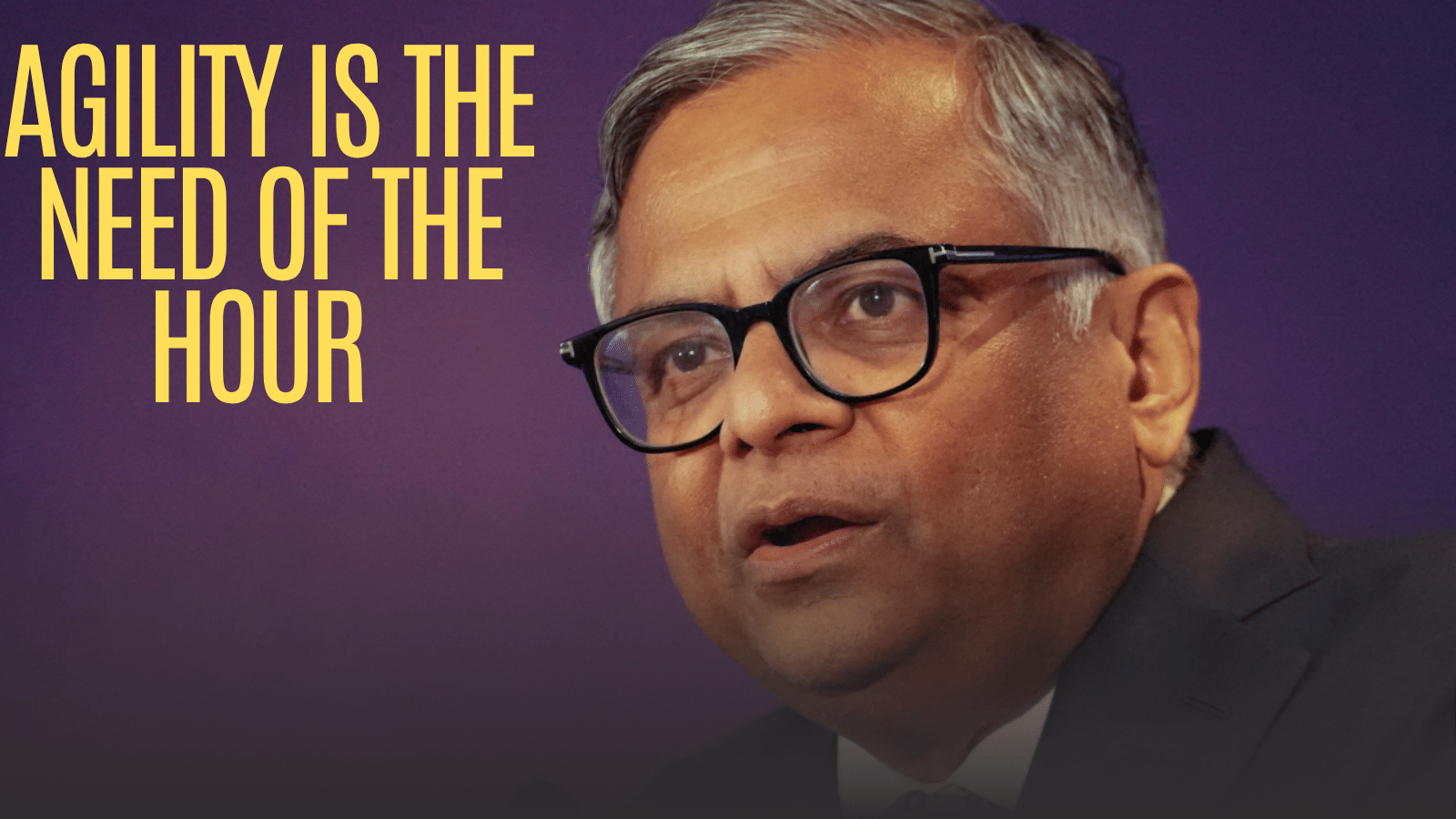
Chandrasekharan has also emphasised the value of agility in these trying times. “You must be in a state of readiness, be agile; do not lose momentum,” Chandrasekaran told business heads, stated the report.
Since the Tata group has significant presence in countries beyond India as well, it can be impacted by the crisis in different economies. For example, in Europe the prices of gas have risen more than they have risen in India. Also while the Centre has so far resisted any rise in the retail prices of petrol and diesel, retail price of these essential fuels have also gone up in other major countries such as European ones and the US. Electricity tariff has moved up in many European countries.
Fatih Birol, executive director of the IEA, has said that the current energy crisis arising out of the West Asia conflict is worse than the combined effects of two oil shocks in the 1970s and the 2022 gas crisis.