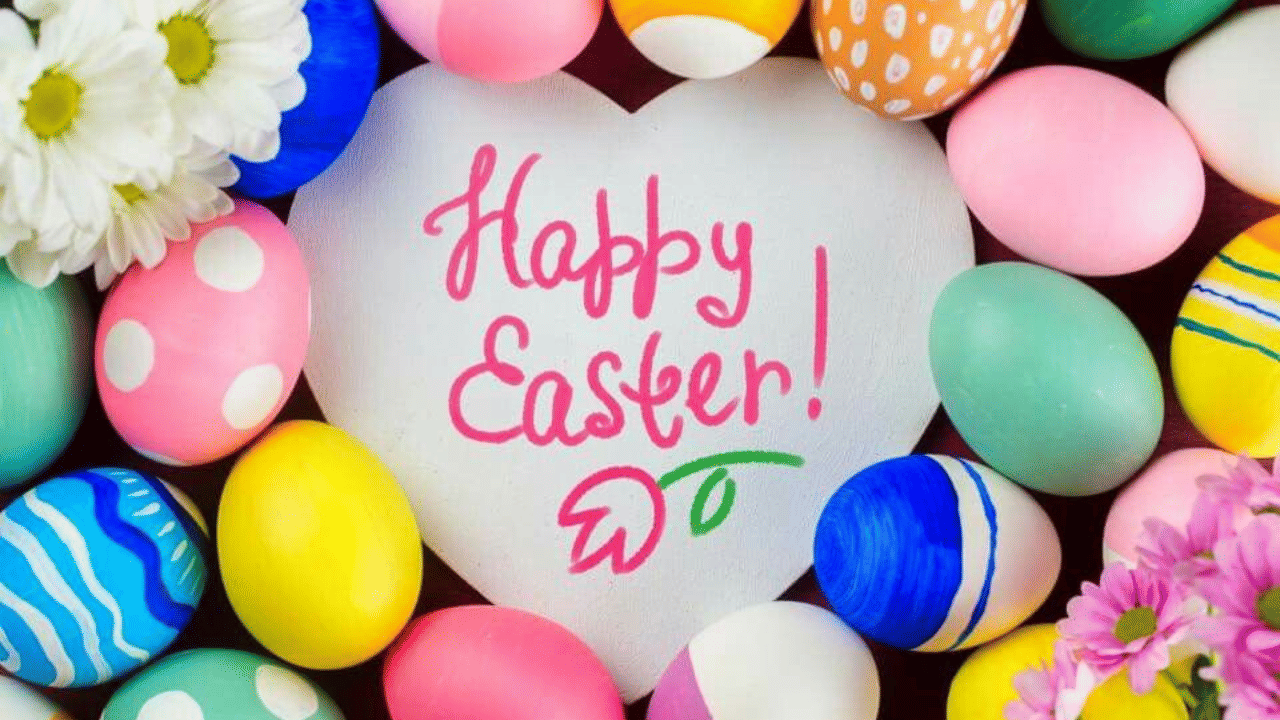
New Delhi: Easter, one of the most cherished Christian festivals, brings with it a season of hope, renewal and joy. Marking the resurrection of Jesus Christ, it beautifully intertwines faith with age-old customs that are celebrated across the world. While church services and family gatherings remain central to the day, what truly makes Easter fascinating are its cultural symbols. From colourful eggs and the Easter Bunny to blooming lilies and hot cross buns — each represents a story deeply rooted in history and tradition.
As Easter Sunday 2026 falls on April 5, celebrations will once again fill homes, gardens and communities. But behind the chocolate treats and pastel decorations lies a deeper meaning. Every Easter symbol we recognise today — be it the humble egg or the cheerful bunny — has evolved from ancient beliefs and springtime rituals that long predate modern festivities. Understanding the origins of these symbols not only enriches our appreciation of the festival but also connects us to centuries of shared human culture.
Meaning of Easter eggs
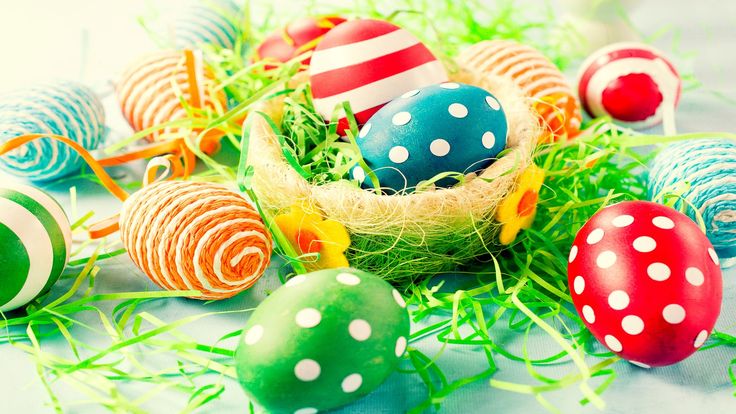
Easter eggs stand as one of the most meaningful and joyful symbols of the festival. They represent new life, hope, and resurrection — themes that lie at the very heart of Easter. In early Christian tradition, eggs were seen as a metaphor for Christ’s resurrection: the shell symbolised the sealed tomb, and the cracking of it represented Jesus’ emergence from the grave.
Long before Christianity, eggs were also celebrated as ancient symbols of fertility and the renewal of nature during spring. Over centuries, these customs blended, evolving into colourful egg-painting traditions. Today, chocolate eggs, decorated baskets, and egg hunts carry forward this legacy, reminding people that Easter is about beginnings, joy, and the celebration of life itself.
Easter bunny and its meaning
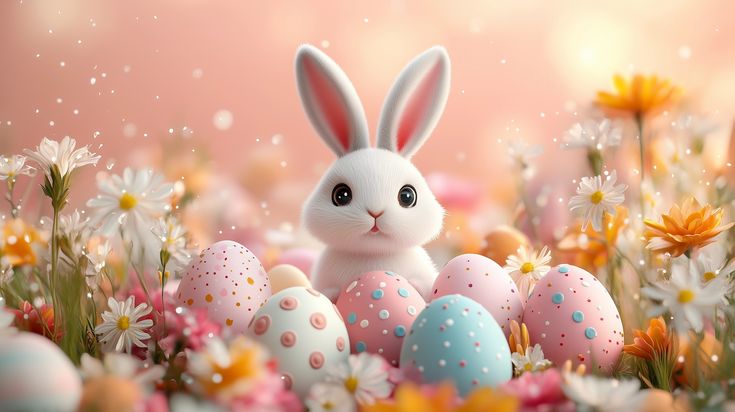
The Easter Bunny, with its friendly face and basket of colourful eggs, has become an inseparable part of Easter celebrations. Yet its story goes far beyond a simple festive mascot. The rabbit has long symbolised fertility, abundance, and new life — qualities that align beautifully with spring’s message of renewal.
The idea of the Easter Bunny is believed to have begun in 17th-century Germany, where tales spoke of an egg-laying hare known as Osterhase. Children would prepare baskets or nests for the hare to fill with eggs, beginning the tradition of Easter egg hunts. As this folklore spread across Europe and later to other parts of the world, the hare evolved into the cheerful bunny we know today. Beyond the sweets and games, the Easter Bunny remains a joyful emblem of nature’s rebirth and the generosity of the season.
Easter lilies in Easter
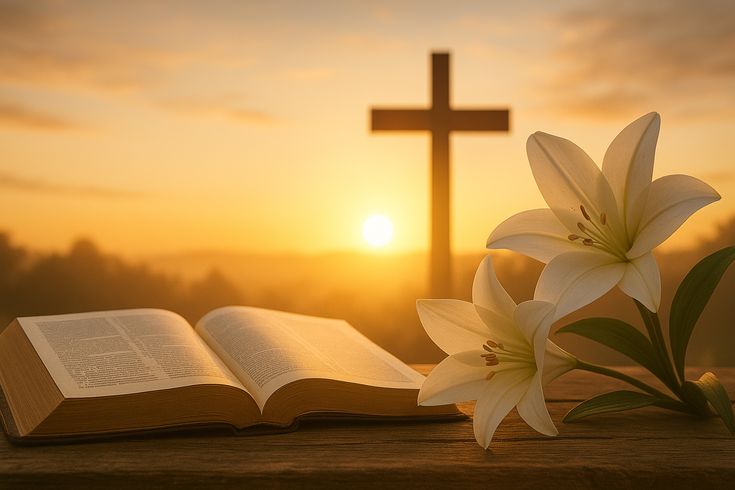
Among all floral symbols associated with Easter, the lily holds the most sacred and elegant significance. The pure white Easter lily is seen as a representation of purity, virtue, and the resurrection of Christ. According to Christian belief, these flowers bloomed in the Garden of Gethsemane after Jesus’s agony, and some legends even suggest they grew where His tears fell. Their trumpet-like shape is often said to symbolise the announcement of new life and hope that Easter brings. Each year, churches and homes are adorned with fresh lilies to celebrate the triumph of life over death, filling spaces with their delicate fragrance and spiritual meaning. In many ways, the Easter lily beautifully captures the essence of the season — renewal, peace, and divine grace.
Other traditional symbols
Beyond eggs, bunnies, and lilies, Easter is adorned with several other timeless symbols that enrich its meaning and beauty. Among them, hot cross buns hold a special place in British and global Easter traditions. These spiced, fruit-filled buns are marked with a cross on top, symbolising the crucifixion of Jesus Christ. Traditionally eaten on Good Friday, they represent both suffering and salvation, blending faith with the warmth of shared food.
Likewise, candles are lit during Easter services to signify Christ as the “light of the world,” guiding believers from darkness into hope. Spring blooms such as daffodils and tulips also feature prominently in Easter décor, reflecting renewal and the vibrant spirit of life returning after winter. Altogether, these symbols weave a tapestry of faith and festivity, transforming Easter into a celebration of light, remembrance, and rebirth.
Easter 2026 brings with it more than just festive treats; it invites reflection on centuries of history, symbolism and cultural exchange. As we celebrate Easter this year, it’s worth remembering that its most charming symbols are enduring reminders of hope, life and renewal.