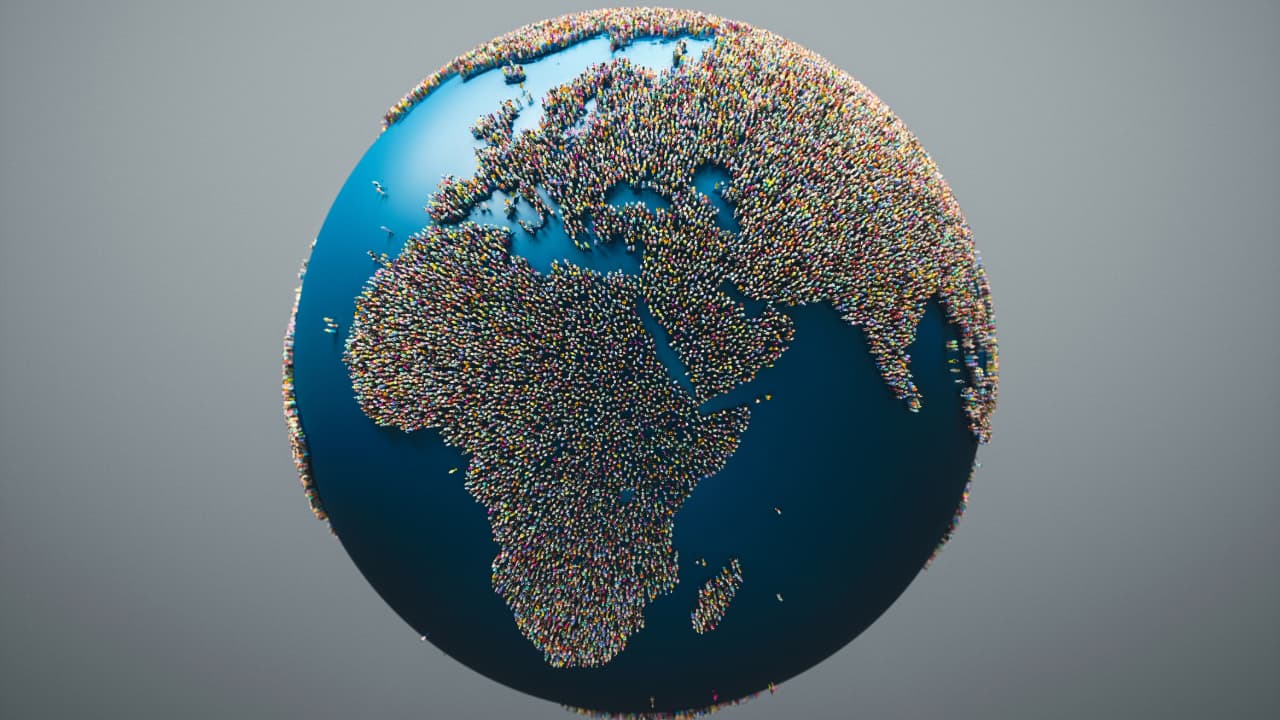
A study predicts the global population could reach 12.4 billion by the 2070s, raising concerns about sustainability. Experts warn Earth is already under pressure, urging urgent changes to manage resources.
A recent study shows that the world’s population, which is currently approximately 8.3 billion, might experience a significant increase in the coming years. Scientists from Flinders University predict that the global population could reach around 12.4 billion by the late 2070s. These findings highlight serious concerns regarding the planet’s ability to support such a large population.
Expert Warning
The research was led by Corey Bradshaw, who cautions that this level of population growth could pose serious risks. According to the study, a truly sustainable global population would be much smaller, similar to the levels seen in the middle of the twentieth century.
The team estimates that a population of around 2.5 billion would be more realistic if everyone lived comfortably without exceeding Earth’s environmental capacity.
Research Approach
To arrive at these conclusions, the scientists reviewed over 200 years of global population data. They used ecological growth models to understand how population size and growth rates have evolved over time. Their goal was to assess how increasing numbers of people impact areas such as food availability, climate stability, and overall human well-being.
Breaking Limits
The results show that humanity is already surpassing what the planet can sustainably support. The researchers found that Earth is struggling to meet current levels of resource consumption. Even today’s demand is putting huge pressure on natural systems, indicating that the planet is being pushed beyond its limits.
Growth Shift
Historically, population growth accelerated until the 1950s, as larger populations contributed to innovation and development. However, this trend changed in the early 1960s, entering what the researchers refer to as a negative demographic phase. In this stage, adding more people no longer leads to faster progress or greater benefits.
Environmental Impact
If the population reaches between 11.7 and 12.4 billion, the consequences could be severe. The study found strong connections between rising population levels and increasing global temperatures, higher carbon emissions, and greater stress on ecosystems. These changes suggest that environmental damage will continue to worsen as the population grows.
The authors emphasize that immediate and significant changes are necessary. They recommend rethinking how societies use land, water, energy, and other resources. While the situation is growing more urgent, the researchers believe that coordinated global efforts could still help prevent the worst impacts.