South Asian politics is witnessing a seismic shift as traditional “legacy” parties are being upended by a new wave of populist, youth-led movements.
The most striking example of this “churn” is the rise of Balendra Shah (widely known as Balen) in Nepal.
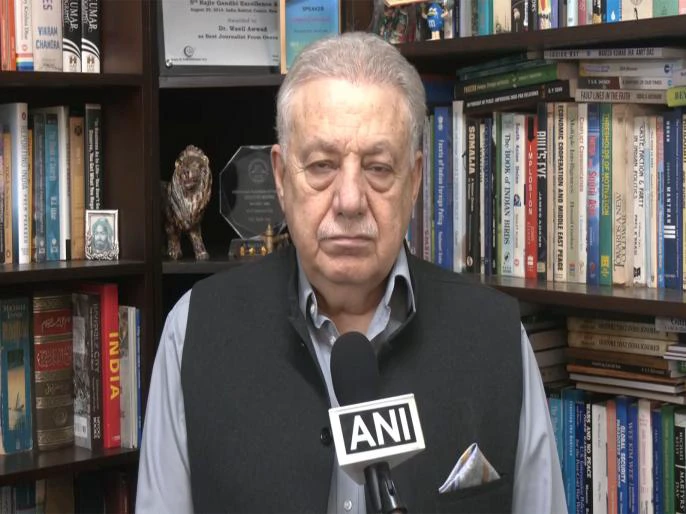
Middle East Expert, Waiel Awwad, highlighted that the new changes are becoming imminent in South Asia, with Rapper Balendra Shah becoming Nepal’s Prime Minister.
Awwad, in a conversation with ANI, said that he hoped Shah would take the reins in Nepal as the nation grapples with unemployment.
“Well, I think there are new changes in South Asia. Now we can see a rapper become the prime minister, and the traditional parties are losing the elections. And now, especially at this juncture where there is a rise of the, you know, foods and inflation and unemployment and with LPG shortage, I think this is going to be more of a social disobedience for the people to come out in the street and show their anger about the current situation. And I hope that he will be able to deliver, otherwise Nepal will be facing a catastrophe, especially with the as I said with the unemployment rate being very high,” he said.
On March 27, 2026, 35-year-old structural engineer and rap star Balendra Shah was sworn in as the youngest Prime Minister in Nepal’s history. His Rastriya Swatantra Party (RSP) secured a massive mandate (182 out of 275 seats) in the March 5 elections.
Shah’s victory effectively ended the decades-long dominance of veteran leaders like K.P. Sharma Oli and Sher Bahadur Deuba. His rise follows intense anti-corruption protests in late 2025 led by the younger generation, who utilised social media to bypass traditional political machinery.
Notably, South Asian churn is characterised by a deep-seated fatigue with established political dynasties and veteran leaders accused of elitism and corruption.
South Asian countries like Bangladesh and the Maldives also witnessed this shift, driven by digital mobilisation and economic impatience.
In Bangladesh, following the fall of the Awami League in 2024, the recent February elections saw the rise of the National Citizen Party (NCP), formed by student protesters. While the veteran BNP remains a force, the political discourse has shifted toward radical institutional reform over traditional partisan loyalty.
In the Maldives, the “Dhuleh Nukuraanan” (Gen Z movement) has put immense pressure on the Muizzu administration, demanding transparency and better living standards, signalling that even relatively new governments are not immune to this youth-driven scrutiny.
TikTok, Instagram, and X (formerly Twitter) have replaced traditional rallies as the primary battlegrounds. High youth unemployment and inflation across the subcontinent have made younger voters less patient with “incremental” change, leading them to back “outsider” candidates with technical or unconventional backgrounds.