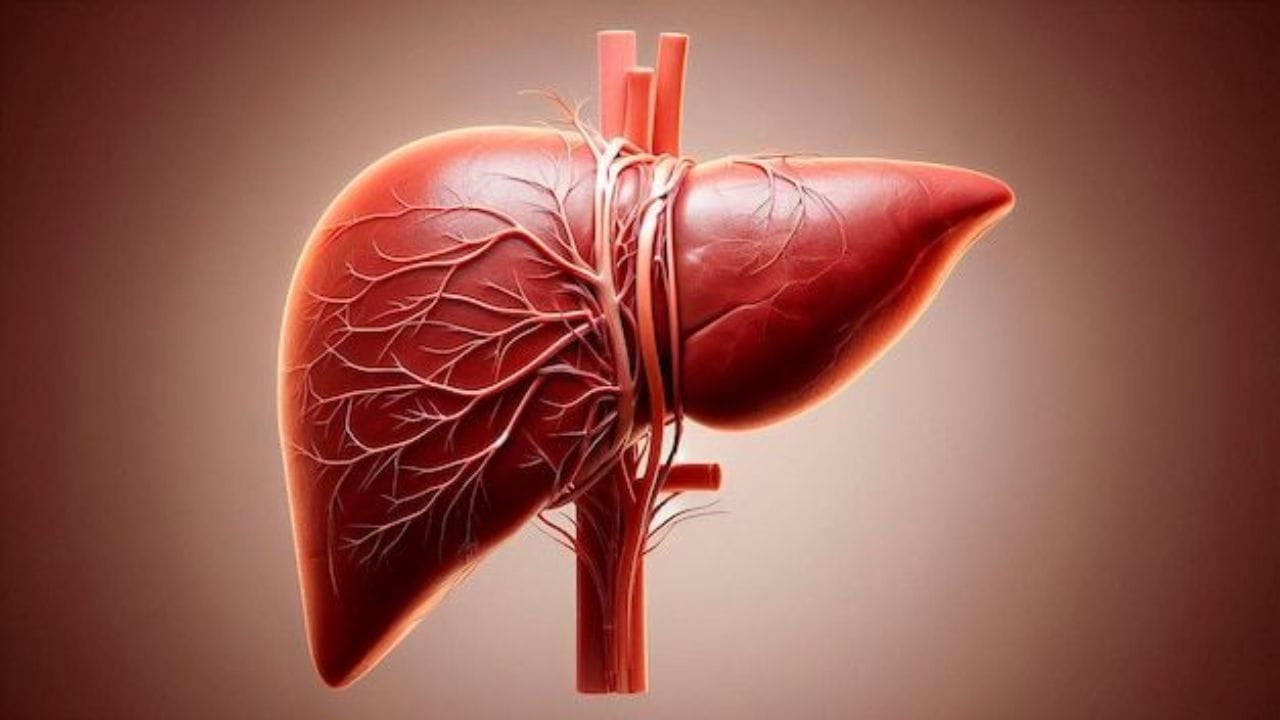
New Delhi: Fatty liver disease is rising rapidly across the globe, closely tracking the surge in obesity and metabolic disorders. The condition, known medically as metabolic dysfunction-associated steatotic liver disease or MASLD and previously termed NAFLD, occurs when excess fat accumulates in liver cells unrelated to alcohol use. According to the American Liver Foundation, the liver is classified as fatty when fat accounts for more than 5 to 10 per cent of its total weight. Despite its growing burden, treatment options remain limited, relying largely on weight control, diet and exercise.
Now, researchers at the Ulsan National Institute of Science and Technology in South Korea have identified a potential therapeutic lead. Their study, published in ScienceDirect – Metabolism, suggests that vitamin B3, also known as niacin, may play a protective role in preventing or slowing liver damage. The findings offer fresh direction in addressing a condition that affects millions worldwide.
Vitamin B3 and fatty liver disease research findings
What researchers discovered
The team identified a small molecule called microRNA-93 (miR-93), found in elevated levels among individuals with fatty liver disease. This molecule suppresses a protective gene known as SIRT1. SIRT1 supports fat breakdown, reduces inflammation and helps maintain liver function. When miR-93 blocks SIRT1, fat accumulates in the liver, leading to progressive damage and scarring.
How Vitamin B3 works
Researchers screened more than 150 compounds to identify a candidate capable of countering this process. Vitamin B3 emerged as the most effective. Niacin lowered miR-93 levels, allowing SIRT1 to function normally. In animal studies, this resulted in reduced liver fat, improved insulin sensitivity and better overall liver performance. While promising, these findings require further validation in human trials.
Symptoms and risk factors
Individuals with diabetes, high cholesterol or elevated triglycerides face greater risk. The coexistence of these conditions is referred to as metabolic syndrome. The American Liver Foundation notes that rapid weight loss, poor dietary patterns and certain medications may also increase susceptibility. Importantly, fatty liver can develop even without obvious risk factors.
MASLD burden in India
India faces a substantial MASLD burden, with prevalence estimates ranging between 36.3 per cent and 38.6 per cent among adults. North India reports rates as high as 73.3 per cent, alongside significant severe fibrosis cases in states including Kerala. MASLD-related deaths increased from 7,920 in 1990 to 15,110 in 2021. Data from the Indian Council of Medical Research indicate that over 70 per cent of Indian adults are metabolically unhealthy, heightening fatty liver risk.
Including Vitamin B3 in daily diet
According to the National Library of Medicine, recommended intake stands at 16 mg per day for men and 14 mg per day for women. Dietary sources include chicken breast, tuna, salmon, peanuts, avocado, brown rice, whole wheat, mushrooms, green peas and potatoes. Experts caution against self-medication and advise consulting a doctor before starting supplements.
While vitamin B3 presents encouraging laboratory evidence, clinical trials in humans remain essential. For now, balanced nutrition, regular activity and medical guidance remain central to fatty liver management.