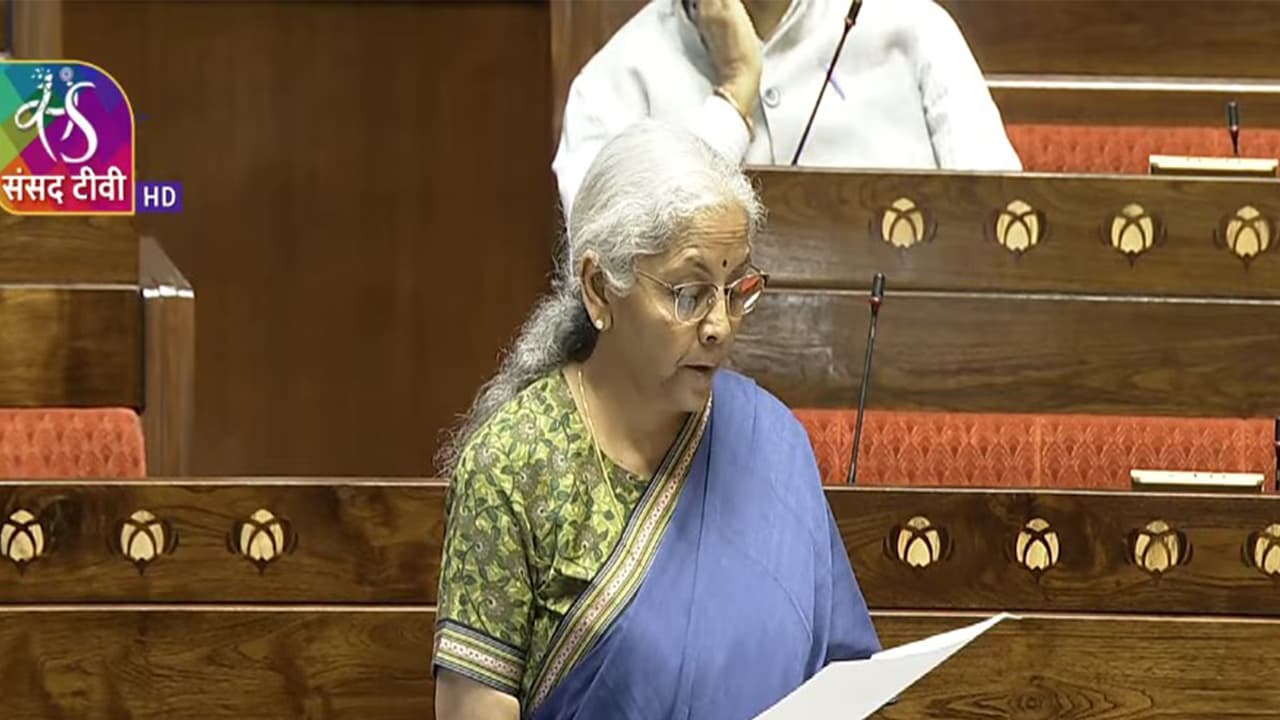
Parliament passed the Finance Bill, 2026, with the Rajya Sabha’s nod. FM Nirmala Sitharaman announced a significant cut in excise duties on petrol and diesel to provide relief and ensure stable prices amid the ongoing situation in West Asia.
Parliament on Friday passed the Finance Bill, 2026, with the Rajya Sabha giving its nod to the legislation after it was approved by the Lok Sabha. The passing of the Finance Bill marks the completion of the budgetary process.
Sitharaman on Fiscal Measures
In her reply to the debate, Sitharaman said in view of the ongoing and evolving situation in West Asia, the government has resolved to provide relief in the form of a significant reduction in excise duties on Petroleum and Diesel so as to ensure stable prices.
“Mobilization of additional resources, prioritization of growth-induced expenditure, better targeting of welfare expenditure, and greater transparency in fiscal operations have been the hallmarks of our government,” she said
“Going forward, we will continue to ramp up our efforts in mobilizing additional non-tax revenues, and our government will remain on its toes to carefully manage the country’s fiscal position,” she added.
‘GST is Pro-Poor’: FM Sitharaman
The Minister said that GST is an indirect tax, applied uniformly, not “based on who you are, but what you consume”.
“To protect the poor, the GST Council has ensured that essential items remain exempt or taxed minimally – Rice, wheat, pulses, atta, fruits, vegetables, milk, eggs are all exempt. Even processed essentials like tea, sugar, edible oils and affordable clothing are taxed at just 5%,” she said.
“Differential taxation based on income at the point of purchase is neither practical nor implementable. Instead, we ensure maximum relief on essentials used by the common citizen. GST is designed to be fair, non-discriminatory and pro-poor,” she added. (ANI)
(Except for the headline, this story has not been edited by Asianet Newsable English staff and is published from a syndicated feed.)