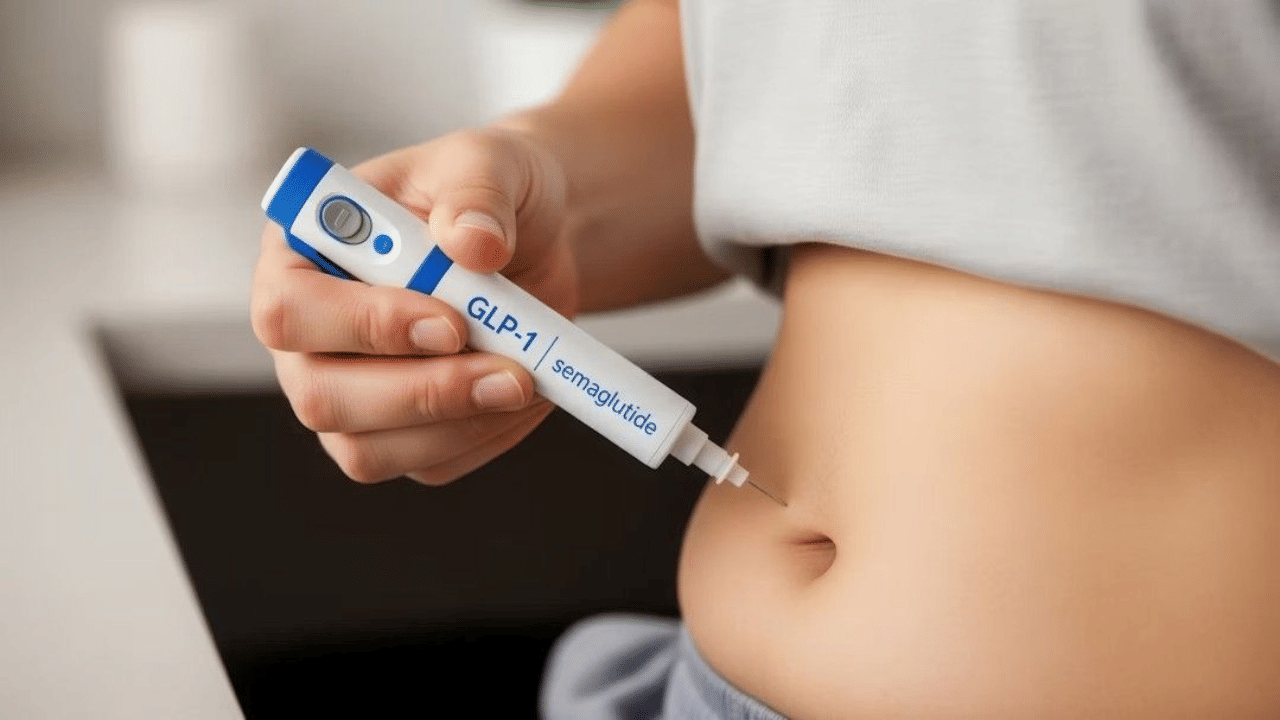
New Delhi: In recent months, the conversation surrounding GLP-1-based weight loss drugs has captured national attention, especially after the Ministry of Health in India stepped in to issue an advisory. Many people, eager for quick results, were drawn to these medicines after generic versions entered the market, making them widely accessible and affordable. But as demand rose, so did health experts’ concerns — not about the drug’s effectiveness, but about the growing trend of self-medication.
While shedding kilos effortlessly might sound enticing, there’s more to this story than meets the eye. Leading cardiologist Dr Naresh Trehan, Chairman and Managing Director of Medanta Hospital, has cautioned against the reckless use of GLP-1 drugs without medical supervision. Even though these medicines can effectively regulate insulin and aid weight loss, they come with a price — one that could affect your liver, pancreas, and overall wellbeing. Let’s dive deeper into why medical oversight is absolutely essential.
What are GLP-1 drugs?
GLP-1 (Glucagon-Like Peptide-1) receptor agonists were initially developed for Type 2 diabetes management. These drugs mimic the natural hormone that helps regulate blood sugar and suppress appetite. In recent years, they’ve emerged as a sought-after solution for controlling weight, thanks to their secondary effect of reducing food intake and improving metabolic function. These drugs have gained immense popularity as a “miracle” weight loss solution.
When the patent for these medications expired, several pharmaceutical companies introduced their own generic versions, making them more affordable and accessible. However, this affordability also opened the door for misuse — particularly by those seeking an effortless weight loss fix.
Dr Naresh Trehan’s warning: “Supervision is crucial”
Commenting on the increasing misuse of GLP-1 medicines, Dr Naresh Trehan, Chairman & Managing Director of Medanta, emphasised the importance of strict medical supervision. He stated that while these drugs are effective in promoting weight loss, they can also cause serious side effects such as pancreatitis, nausea, vomiting, and liver complications when taken without a doctor’s guidance.
According to Dr Trehan, “When the patent expired and generics became easily available, the Health Ministry rightly intervened to ensure the drug is only prescribed under medical supervision — by endocrinologists or internists.” He further highlighted that self-medication could prove dangerous, urging patients to seek professional advice rather than relying on easy online or over-the-counter access.
#WATCH | Gurugram, Haryana: Chairman & MD, Medanta, Dr Naresh Trehan says, “When patent of GLP-1 drug expired, several pharmaceutical companies introduced its generic version. When these were introduced, it was seen that they were freely accessible to the public. So, the Health… pic.twitter.com/cK4VHPx2Qt
— ANI (@ANI) March 26, 2026
Why self-medication is growing concern
Social media trends and online visibility have glamorised GLP-1 drugs as “miracle weight loss injections.” This portrayal has encouraged many to skip doctor consultations, obtaining the medication through unauthorised sellers or online platforms. Despite appearing harmless, such behaviour can have grave health consequences.
Without professional evaluation, individuals risk incorrect dosage, unmanaged side effects, and potential long-term harm. Medical experts reiterate that only qualified doctors can assess whether a person is medically suitable for GLP-1 drugs — and that one-size-fits-all prescriptions are a myth.
Importance of professional guidance
Endocrinologists and internal medicine specialists play a vital role in prescribing, monitoring, and adjusting GLP-1 treatments. Professional supervision ensures dosage accuracy, minimises side effects, and helps track patient progress effectively. The Ministry of Health’s directive banning over-the-counter or online sale of these drugs aims to protect consumers from misusing potent hormonal medications.
In the long run, it’s always safer — and smarter — to place your health decisions in expert hands rather than risk serious complications for short-term results. While GLP-1 drugs may support your efforts under strict medical guidance, true transformation requires balanced nutrition, exercise, and consistent lifestyle choices. Relying solely on medication might offer immediate results, but without long-term habits, the weight often returns — alongside adverse effects on physical and emotional wellbeing.