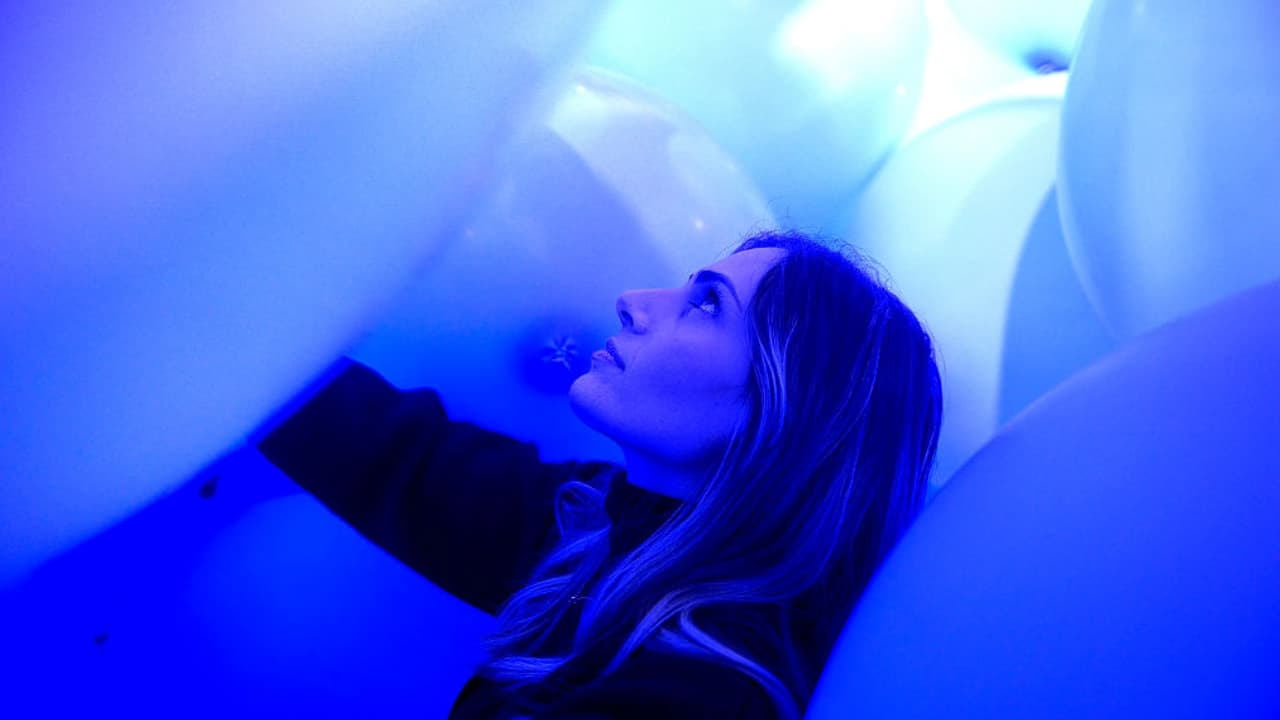
Do vivid dreams disrupt your rest? A new study suggests the opposite. Discover how immersive dreaming can lead to a feeling of deeper, more restful sleep.
Getting a good night’s sleep involves more than just the number of hours spent in bed. It also relates to how deeply you feel you have rested. For a long time, scientists have tried to figure out what causes that refreshed, well-rested feeling, but the brain processes responsible for it are still not fully understood. A recent study shows that dreams, particularly vivid ones, might have a bigger impact than previously believed.
New Findings
A study conducted by experts at the IMT School for Advanced Studies Lucca and published in the journal PLOS Biology presents an unexpected idea. According to the study, vivid and engaging dreams may actually make sleep feel deeper and more restful, rather than disturbing it. This challenges the common belief that dreaming interrupts proper rest.
Traditionally, deep sleep has been seen as a quiet state where the brain is mostly inactive, producing slow waves with very little awareness. In contrast, dreaming has usually been linked to REM sleep, a stage where brain activity resembles that of being awake. This has always been puzzling because, despite the high level of activity, people often still feel as though they were deeply asleep.
Also read: How the Human Brain Stores Memories: Scientists Discover Content and Context Split
Study Details
To investigate this, researchers examined 196 overnight sleep recordings from 44 healthy adults. The study was part of a larger project funded by the European Research Council.
Participants slept in a lab while their brain activity was monitored using advanced EEG technology. Over four nights, they were awakened more than 1,000 times and asked to describe their experiences just before waking. They also rated how deeply they felt they had slept.
Key Results
The findings showed that people felt they had slept most deeply not only when they experienced nothing, but also when they had vivid, immersive dreams. On the other hand, lighter sleep was connected with unclear or fragmented mental experiences.
Professor Giulio Bernardi, a neuroscientist and senior author of the study, explained that the richness of the dream experience seems to be important. The more absorbing the dream, the deeper the sleep feels.
Another interesting pattern was observed during the night. Even as the body’s natural need for sleep decreased, participants reported feeling that their sleep was becoming deeper. This coincided with an increase in the intensity of their dreams.
The researchers suggest that such dreams might help maintain the feeling of deep sleep by keeping the mind disconnected from the outside world, even if the brain remains active.
Future Research
Experts believe this idea could change how sleep quality is understood. If dreaming supports the feeling of deep rest, changes in dreaming patterns might explain why some people feel poorly rested despite normal sleep readings. The study opens the door for further research into how the brain and body work together during sleep.
Also read: 24 Minutes of Specially Created Music Can Significantly Lower Anxiety Levels