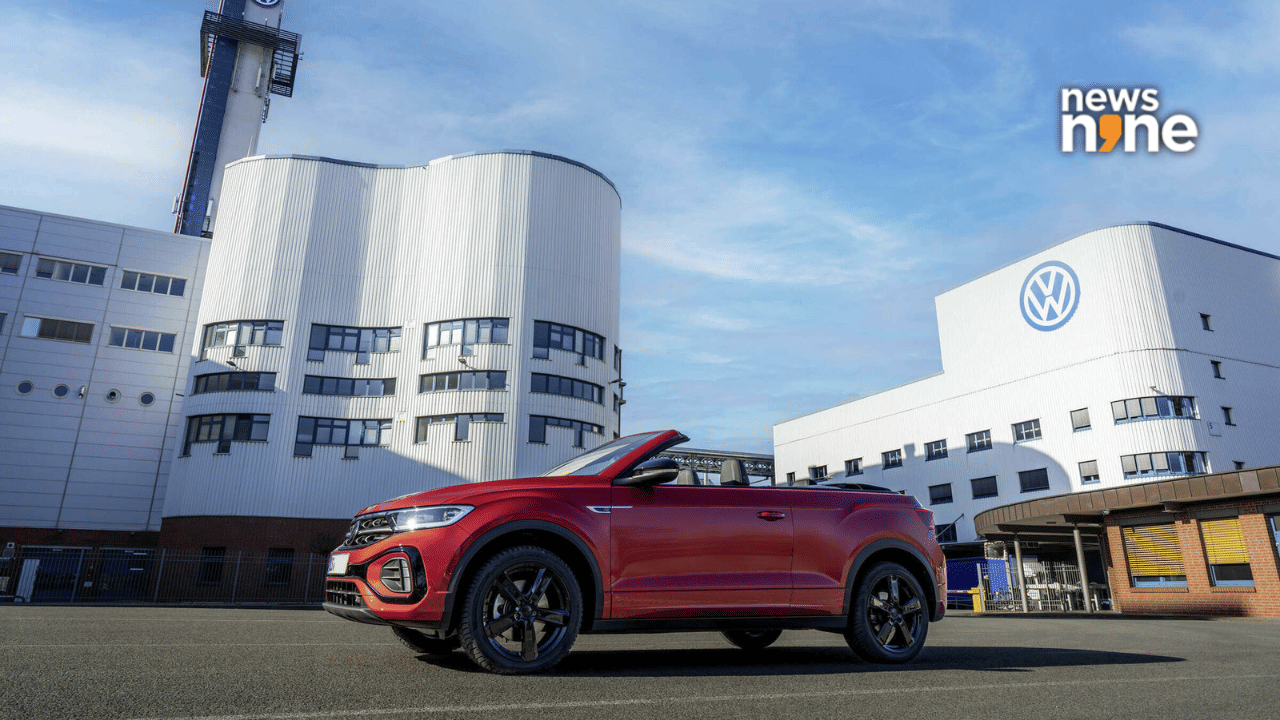
New Delhi: Volkswagen’s factory crisis in Germany may be heading in a direction few auto fans saw coming. Instead of rolling out new cars, one of its plants could soon build parts for a missile defence system.
The shift comes at a time when Europe’s auto sector is under pressure from EV transition costs and rising Chinese competition. Now, a defence pivot is being seen as a way to keep factories alive and workers employed.
Volkswagen eyes defence shift at Osnabrück plant
According to a Financial Times report, Volkswagen is in talks with Israel’s Rafael Advanced Defence Systems to convert its Osnabrück factory into a production hub for Iron Dome components.
The plant employs around 2,300 workers and has been under threat of closure as part of Volkswagen’s cost-cutting plans. The proposed shift would see the facility produce heavy-duty trucks, launcher systems, and power units linked to the Iron Dome network. Missile production itself will happen at a separate, specialised site.
Why Volkswagen is considering this move
Volkswagen has been facing slowing demand in some markets and rising pressure from Chinese automakers. The transition to electric vehicles has added more strain on costs and factory utilisation.
This proposed partnership offers a possible way out. It can help retain jobs, make use of idle production capacity, and align with Europe’s rising defence demand. Germany alone plans to spend over €500 billion, roughly ₹50 lakh crore, on defence by the end of the decade.
There is also a historical angle. Volkswagen had produced military vehicles in the past during World War II. This move signals a return to defence-linked production, though in a very different global setting.
What it means for the auto industry
This development hints at a broader shift. Car manufacturers across Europe may begin exploring defence partnerships as a way to stay financially stable.
The Iron Dome system itself has a range of about 70 km and is known for intercepting incoming threats at high success rates in Israel-Gaza conflicts. Still, some experts have raised concerns about how effective it would be against longer-range threats in Europe.