The White House on Monday firmly stated that there is no confirmation of reports suggesting that US Vice President JD Vance, special envoy Steve Witkoff, and former presidential adviser Jared Kushner may meet Iranian officials in Islamabad.
The White House on Monday firmly stated that there is no confirmation of reports suggesting that US Vice President JD Vance, special envoy Steve Witkoff, and former presidential adviser Jared Kushner may meet Iranian officials in Islamabad.
US press secretary Karoline Leavitt underscored the fragile and evolving nature of the situation, warning against premature conclusions. Responding to an ANI query, she stressed that such developments should not be treated as definitive without official confirmation. “These are sensitive diplomatic discussions, and the US will not negotiate through the press. This is a fluid situation, and speculation about meetings should not be deemed as final until they are formally announced by the White House,” she said.
Islamabad as Potential Diplomatic Stage
Multiple reports by Reuters, Financial Times, and The Times of Israel point to Islamabad as a possible venue for renewed US-Iran engagement, possibly within days. Pakistan is said to be positioning itself as a neutral intermediary, leveraging its strategic ties with both Washington and Tehran.
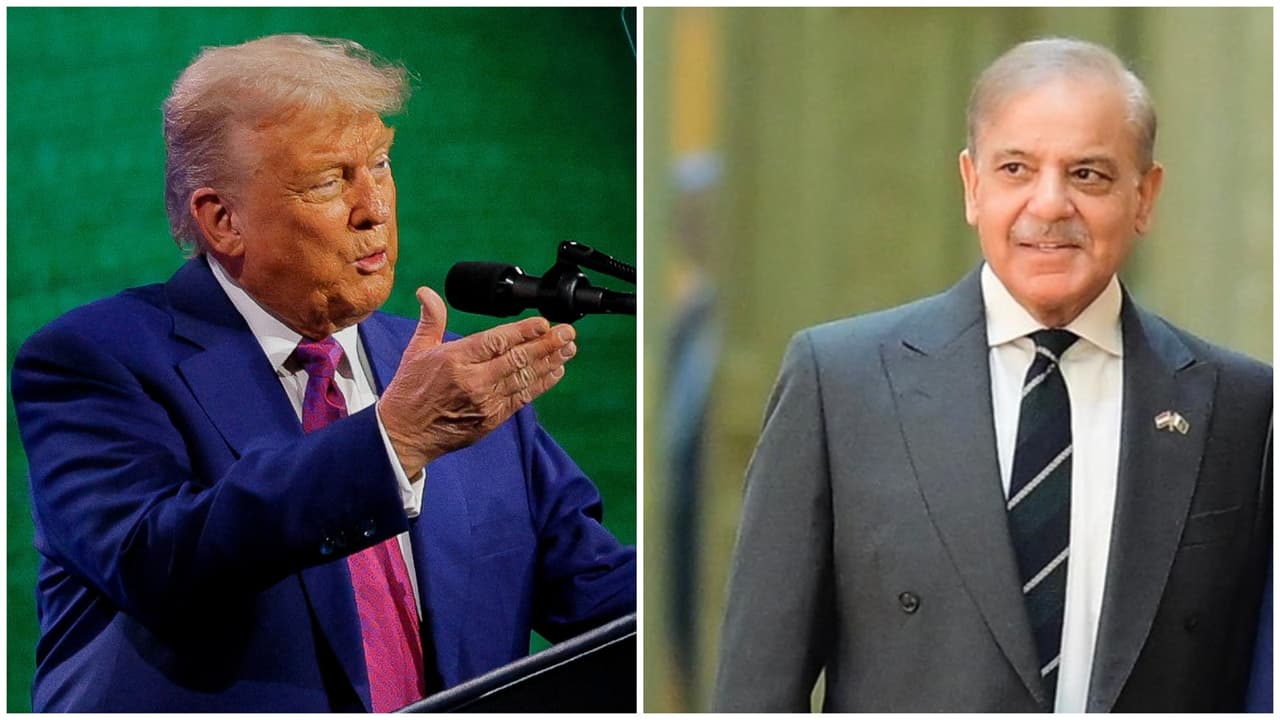
A senior Israeli official acknowledged that “contacts are underway” to facilitate a meeting involving top representatives from both sides. Meanwhile, Pakistan’s Army Chief Asim Munir has reportedly spoken with US President Donald Trump, while Prime Minister Shehbaz Sharif has held multiple conversations with Iranian President Masoud Pezeshkian, according to FT.
Backchannel Moves Intensify, But No Formal Breakthrough
Diplomatic manoeuvring has intensified behind the scenes, with Pakistan, Turkey, and Egypt reportedly engaging in quiet outreach alongside US envoy Witkoff and Iranian officials. However, Tehran has categorically denied any direct negotiations with Washington since the conflict escalated.
“Over the past few days, messages were received via certain friendly states conveying the US request for negotiations to end the war,” Iranian foreign ministry spokesperson Esmaeil Baqaei said, adding that “appropriate responses were given.”
Experts caution against reading too much into these early moves. Sanam Vakil of Chatham House noted that nations are “scrambling” to cool tensions but warned, “I don’t take this as any signal the war is coming to an end.”
Trump’s Tactical Pause Sends Ripples
The diplomatic churn follows a dramatic signal from Trump, who announced a temporary pause on US strikes targeting Iran’s energy infrastructure after what he described as “very good and productive” talks.
“We’re doing a five-day period, and we’ll see how that goes. If it goes well, we’re going to end up settling this. Otherwise, we’ll just keep bombing our little hearts out,” he said.
Backing the outreach, US interior secretary Doug Burgum projected confidence in Trump’s deal-making approach. “President Trump is going to resolve it, and I’m very confident that as dealmaker-in-chief, he’s going to come out of this with a winning deal for Americans,” he said, as quoted by Al Jazeera. He also acknowledged concerns around global energy routes, adding, “We’ve been completely aware of this thing.”
Pakistan Walks a Diplomatic Tightrope
At the centre of this unfolding geopolitical chessboard, Pakistan finds itself navigating a delicate balance. While condemning strikes on Iran and urging restraint, Islamabad continues to maintain strong ties with Saudi Arabia, including defence cooperation, while also preserving economic and geographic links with Tehran. Simultaneously, it is seeking to deepen engagement with Washington.
However, scepticism persists. “Pakistan is putting itself forward as a mediator between the US and Iran, but unconvincingly,” Edmund Fitton-Brown of the Foundation for Defense of Democracies told Fox News Digital.