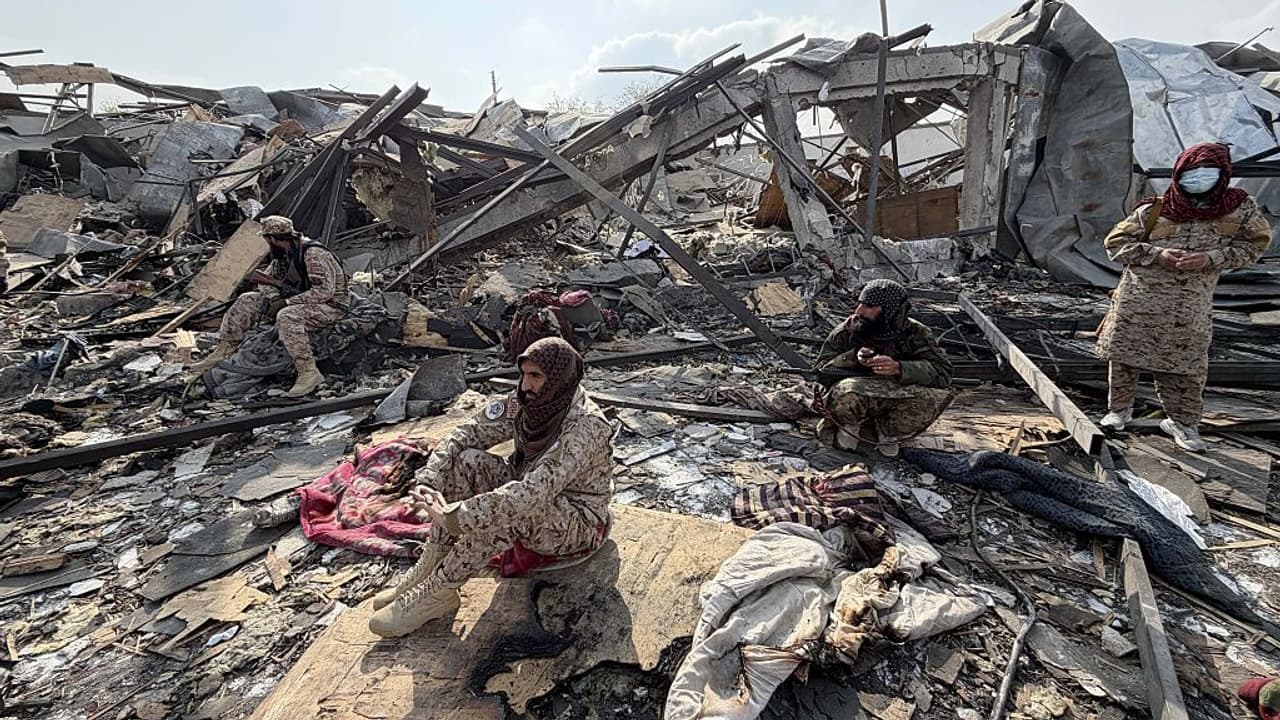
Former Afghan diplomat Zardasht Shams accuses Pakistan of committing a “massacre” in Kabul after a deadly strike on a drug rehabilitation centre last week, warns of regional instability and calls for stronger India-Afghanistan defence ties.
A deadly Pakistani air strike on a drug rehabilitation centre in Kabul last week has triggered sharp condemnation from Afghan officials and reignited tensions between the two neighbours. In an exclusive interview with Asianet Newsable English’s Somya Jaiswal, former Afghan diplomat Zardasht Shams accused Pakistan of carrying out a “massacre” and warned that the escalating hostilities could destabilise the wider region.
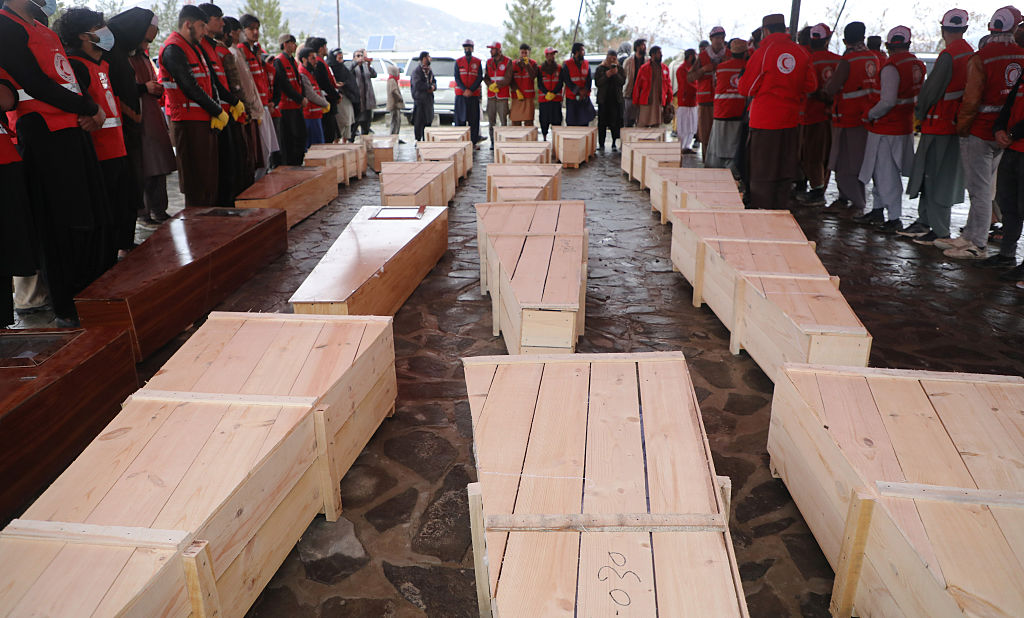
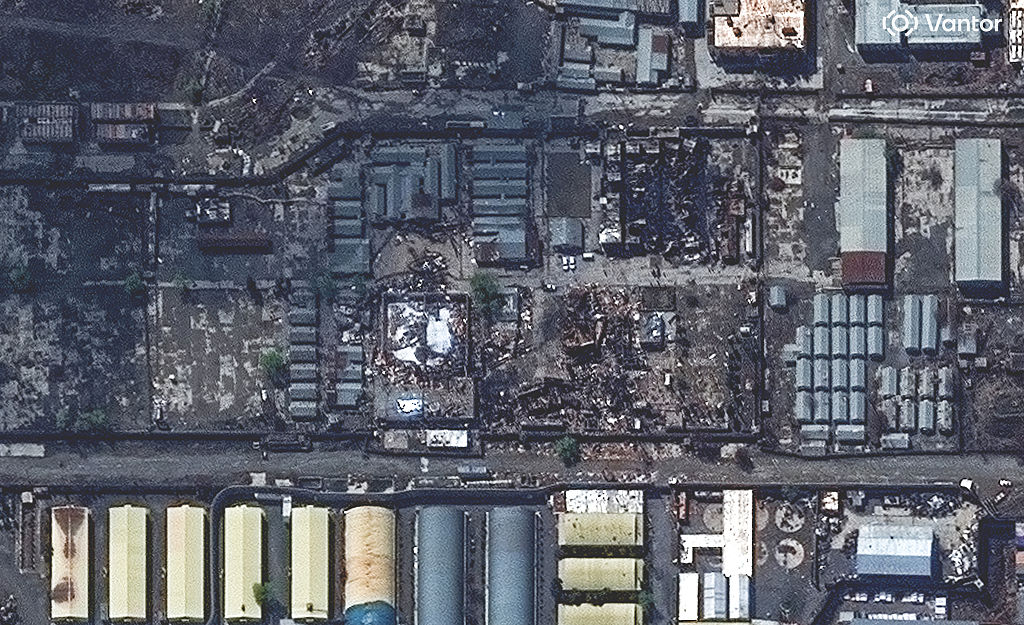
The strike, which Afghan authorities say killed around 400 people and wounded more than 200, has become the deadliest incident in the latest round of cross-border violence between Afghanistan and Pakistan.
Afghan Interior Minister Sirajuddin Haqqani has vowed that Kabul will “seek accountability” for the attack, describing those responsible as “criminals” during a mass burial ceremony for victims.
Pakistan, however, has denied targeting civilians, claiming its forces conducted precision strikes on “military installations and terrorist support infrastructure”.

‘Pakistan committed a massacre’
Reacting to the attack, Shams strongly condemned Islamabad, calling the strike an act of mass murder.
“So, in fact, what Pakistan done was a mass murder, massacre of civilian Afghan people,” Shams said. “I strongly condemn this act of aggression, this inhuman act of Pakistan, this barbarism of Pakistan. It’s in no way acceptable.”
He argued the strike violated international humanitarian law because the target was a civilian rehabilitation centre.
“It’s against international law… by targeting drug addicts or a rehabilitation centre. They were hoping for a bright future and most of them were completing their recovery treatment over there,” he said.
According to Shams, the attack fits into a long pattern of Pakistani interference in Afghan affairs.
“This is not the first time. Pakistan is doing this aggression for the last five decades,” he said. “Previously they were using proxies to interfere… now they have come forward directly.”
Pakistan’s denial ‘part of policy’
Pakistan’s Information Ministry has rejected accusations that its military deliberately targeted civilians, calling the Taliban government’s claims “propaganda”.
Shams dismissed the denial outright.
“The thing is that Pakistan is a liar state. It’s part of their policy,” he said.
He also referenced Pakistan’s historical military actions, claiming the country has repeatedly denied responsibility for civilian casualties.
“When you look at the track record of Pakistan military, their hands are stained with the blood of innocent people,” Shams said.
‘This is not a war against Taliban’
Despite the ongoing confrontation between Pakistan and the Taliban-led government, Shams argued that Islamabad’s actions go beyond targeting the ruling authorities.
“I would say this is not a war against Taliban. It’s war against Afghanistan. It’s war against Afghan people,” he said.
According to Shams, Pakistan’s goal is to destabilise the country and trigger internal conflict.
“They want a civil war and civil fighting between different factions,” he said, adding that the strategy would ultimately fail because “almost 100 percent of Afghan people… are against Pakistan”.
Regional tensions and geopolitical calculations
Shams also suggested the conflict cannot be viewed in isolation, pointing to broader geopolitical developments.
“It’s a planned war from the Pakistani side,” he said. “We cannot ignore international developments… the fight in the Middle East and how they try to become closer to the new US administration.”
He also referenced the strategic importance of the Bagram Air Base, suggesting external geopolitical calculations could be influencing developments in the region.
“It seems there are things that maybe in the background they have committed some projects to implement in this area,” he said.
The Durand Line dispute
A longstanding dispute over the Durand Line, the contested border between Afghanistan and Pakistan, remains a major source of tension.
“One of the core issues is the Durand Line,” Shams said. “None of the Afghan governments has ever accepted this international boundary.”
He noted that the same tribes and communities live on both sides of the border, which historically made the area sensitive.
But Shams argued that Pakistan’s ambitions now go beyond the border dispute.
“What Pakistan envisages is beyond Durand Line,” he said. “They want to control Kabul even. They want access to Central Asia.”
‘Afghanistan is not an Indian proxy’
Pakistan has repeatedly alleged that Afghanistan is acting as a proxy for India, particularly after renewed diplomatic engagement between India and Kabul.
Shams rejected the claim as baseless.
“I firmly believe that this is totally baseless,” he said.
“Pakistan doesn’t accept Afghanistan as a sovereign state… How does Pakistan dare to point at what type of relationship Afghanistan is supposed to have with any nation, including India?”
He also highlighted historical ties between India and Afghanistan, dating back to the early 20th century independence movements.
Taliban policies weakening Afghanistan internally
While sharply criticising Pakistan, Shams also acknowledged that the Taliban government’s domestic policies are undermining Afghanistan’s stability.
“That’s one of the disasters of the Taliban government right now,” he said, referring to restrictions on women.
“It’s unbelievable in the 21st century that you are banning girls from attending school… you are banning women from work,” he said.
According to Shams, such policies weaken Afghanistan at a time when national unity is needed to confront external threats.
“The unity of Afghanistan is possible only when you give equal rights… when you give political rights, civil rights and human rights,” he said.
TTP and Pakistan’s security narrative
Pakistan has justified many of its cross-border operations by accusing Afghanistan of harbouring militants linked to the Tehrik-i-Taliban Pakistan (TTP).
Shams argued the threat is exaggerated.
“It’s not that major or bigger problem for Pakistan,” he said.
According to him, militant groups in Pakistan’s tribal regions are partly the result of decades of policies pursued by Islamabad itself.
“When you pump communities with weapons and extremist ideology to fight in Afghanistan and Kashmir… what do you expect the third and fourth generation to do?” he said.
Calls for regional response
Shams urged the international community and regional powers to pay closer attention to the crisis.
“The Pakistani military is destabilising the region,” he said.
However, he acknowledged that Afghanistan’s diplomatic isolation under the Taliban government has limited its ability to raise the issue internationally.
“They have no representation in the United Nations or international forums to project what Pakistan is doing,” he said.
India-Afghanistan ties may expand
Shams also suggested that relations between India and Afghanistan could deepen beyond economic cooperation.
“India–Afghanistan relationship should go beyond only rehabilitation or economic development,” he said. “They should think on defence cooperation also.”
He argued that Pakistan’s growing aggression could push regional powers closer together.
“I would say not only both nations… the whole region should become unified in fighting Pakistani hegemony and this aggressive policy,” he said.
Rising tensions after deadly strike
The Kabul strike has intensified hostilities between Afghanistan and Pakistan, with both sides accusing each other of harbouring militants and conducting cross-border attacks.
While Islamabad insists it targeted militant infrastructure, Afghan officials maintain that the strike hit a civilian rehabilitation centre, causing one of the deadliest single incidents in recent Afghan history.
As tensions escalate, Shams warned that the conflict could become a major regional flashpoint.